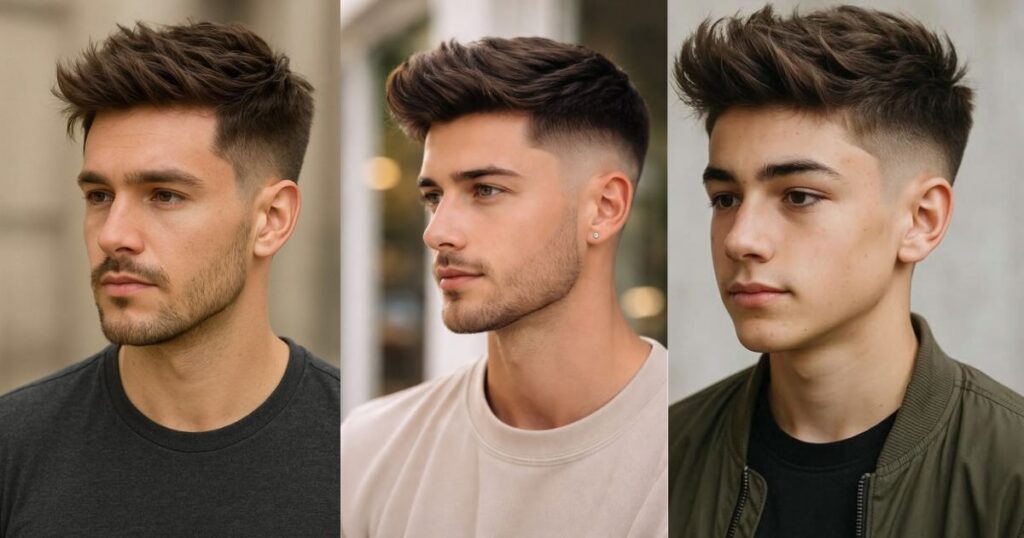
Low Taper Fade Choosing your first fade can feel confusing when barbershop menus throw around terms like skin fade, taper, and blend without explanation. The low taper fade solves that confusion because it’s forgiving, easy to describe, and works on nearly every head shape. This guide breaks down exactly what it is and how to get it right.
If you’ve never sat in a barber’s chair for a fade before, the low taper fade is the safest starting point. It keeps hair length on the sides instead of shaving down to skin, so mistakes are less noticeable and the cut grows out without looking messy. Here’s everything a beginner needs to know.
What Is a Low Taper Fade?
A low taper fade is a haircut where the hair gradually shortens as it moves down toward the ears and neckline, with the fading starting low on the head rather than up near the temples. The top stays at whatever length you choose, short, medium, or longer for styling, while the sides and back blend smoothly into the skin near the hairline.
The word low refers to the starting point of the fade, not how short the overall haircut looks. Because the blend begins closer to the ears, there’s more hair left on the sides compared to a mid or high fade, which makes the finished look softer and less dramatic.
Key traits of a low taper fade:
- Fading begins near the ears and neckline, not the temples
- No harsh or visible lines between lengths
- Top hair can stay long, medium, or short
- Subtle, understated contrast between top and sides
What Does Taper Mean?
Taper describes a gradual decrease in hair length, without shaving down to bare skin. Instead of one length dropping suddenly to another, the hair thins out little by little, so the transition feels smooth to the touch and to the eye.
A taper typically happens around three areas of the head:
- The sideburns
- The area around the ears
- The neckline at the back
This is different from a true skin fade, where the sides eventually blend into bare scalp. A taper keeps a small amount of hair everywhere, which is part of why it looks more natural and requires less upkeep between visits.
Difference Between Low Taper Fade, Low Fade, and Taper Fade
These three terms get mixed up constantly, and it’s one of the most common reasons beginners end up with a haircut they didn’t ask for. Here’s a side-by-side breakdown.
| Style | Fade Starting Point | Amount of Hair Left on Sides | Overall Look | Maintenance |
| Low Taper Fade | Near ears/neckline | High | Soft, subtle, natural | Low |
| Low Fade | Lower head, but cut shorter | Moderate | Sharper, more visible contrast | Medium |
| Taper Fade | Varies by barber | Depends on request | Can range from subtle to dramatic | Varies |
Low Taper Fade
Only the edges and neckline are faded, while the sides keep noticeably more length. This produces a soft, clean look that’s ideal for anyone getting their first fade or who wants a low-key style.
Low Fade
A low fade cuts the sides shorter than a low taper, showing more skin and creating a bolder contrast against the top. It looks sharper but needs more frequent trims to stay crisp.
Taper Fade
Taper fade is a broad, catch-all term, and different barbers interpret it differently. Without a clear explanation or reference photo, the result can vary a lot, so it carries more risk for first-timers.
If you’re new to fades, always be specific and say low taper fade rather than just taper or fade.
Why the Low Taper Fade Is a Smart Choice
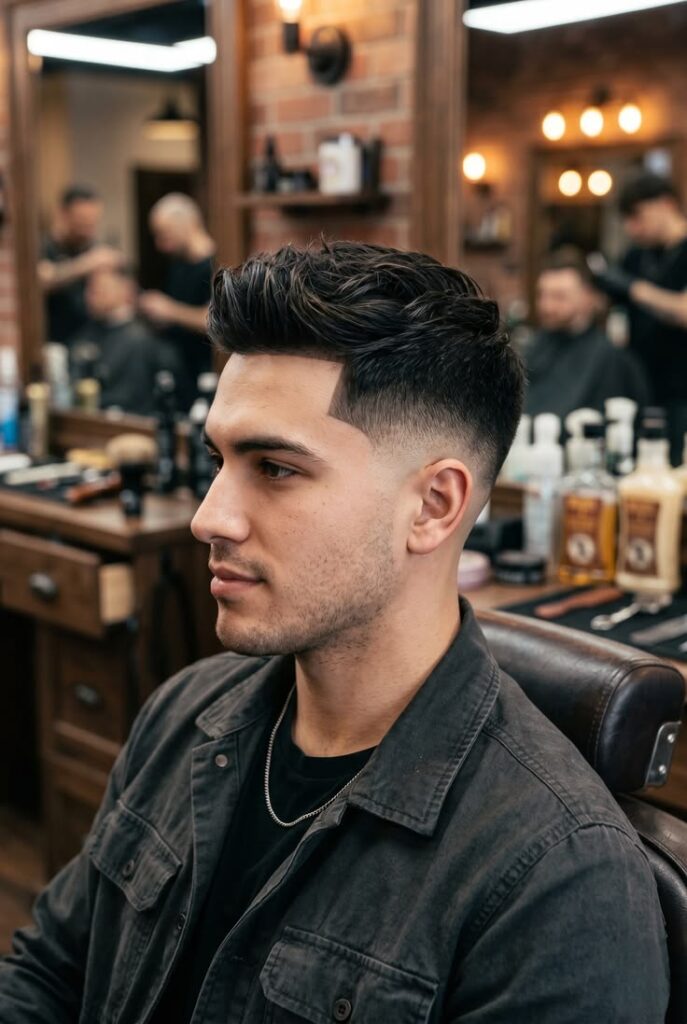
Clean Appearance:
The tapered edges keep the hairline crisp, so the cut looks intentional and put-together even on days when you skip styling entirely.
Professional Look
Because it avoids dramatic skin contrast, a low taper fade fits comfortably into:
- School dress codes
- Office and corporate environments
- Interviews and formal events
Easy to Maintain
There’s no need for:
- Daily heavy styling products
- Frequent trips to the barber
- Constant touch-ups to keep the line sharp
Grows Out Nicely
Because the fade is subtle to begin with, a low taper fade still looks presentable three to four weeks after your last cut, unlike higher fades that show regrowth almost immediately.
Who Should Get a Low Taper Fade?
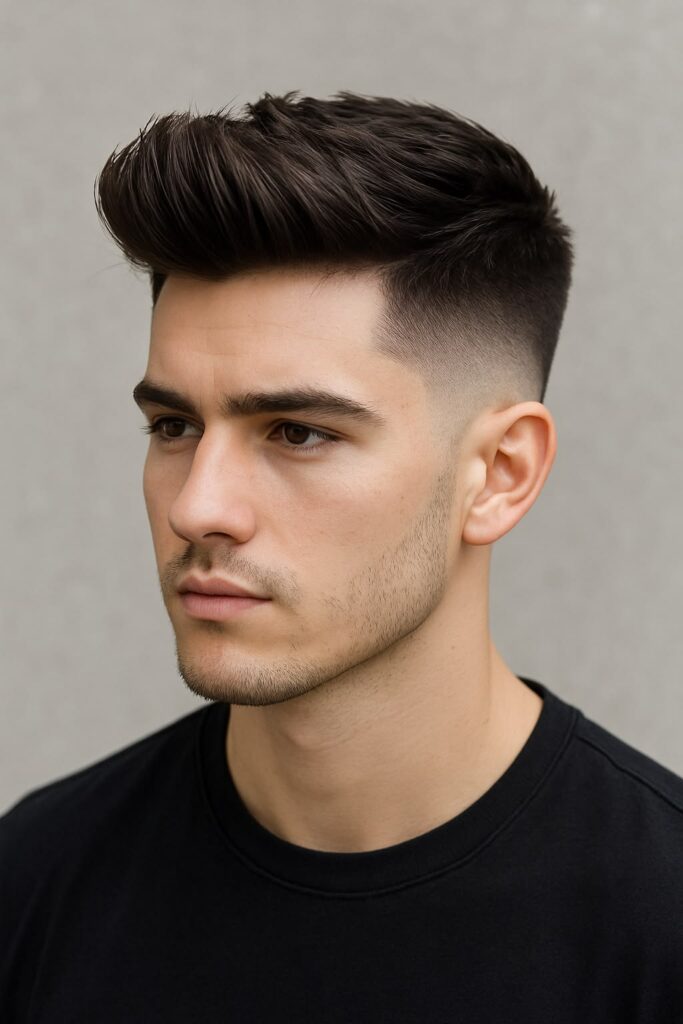
This cut is genuinely one of the most flexible haircuts available, which is a big part of why it stays popular across age groups and hair types.
By face shape:
| Face Shape | How the Low Taper Fade Helps |
| Round | Adds visual length and definition |
| Square | Highlights and sharpens the jawline |
| Oval | Balances proportionally with almost any top style |
| Long | Keeps the sides from adding extra visual height |
By hair type:
- Straight hair, looks sharp and structured
- Wavy hair, falls naturally with minimal effort
- Curly hair, stays controlled without losing texture
- Thick hair, sides stay tidy without bulk
- Thin hair, appears fuller and more defined
Best Low Taper Fade Styles for Beginners
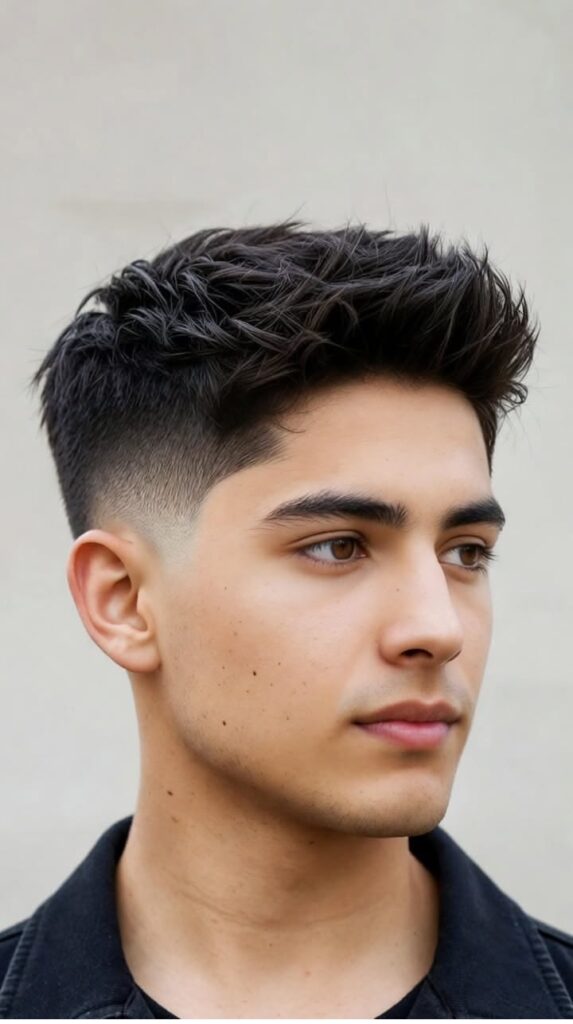
- Short Low Taper, low-maintenance, ideal for students and office workers
- Curly Top Low Taper, preserves natural curl pattern while cleaning up the sides
- Textured Crop with Low Taper, adds volume on top with a modern, effortless finish
- Side Part Low Taper, polished option suited to interviews and formal settings
- Low Taper Fade with Beard, connects facial hair and hairline for a sharp, cohesive look
How to Ask Your Barber
Clear communication is the single biggest factor in getting the haircut you actually want. Say something like:
I’d like a low taper fade, keep it soft around the ears and neckline, nothing too high, and leave the top natural.
Then walk through these details:
- How much length you want on top
- Whether you want a sharp or soft neckline
- Whether the fade should connect into your beard
Beginner tips:
- Bring a reference photo whenever possible
- Avoid vague phrases like just a fade or surprise me
- Confirm the fade height before the clippers start
How to Style a Low Taper Fade
- Start with hair that’s dry or slightly damp
- Take a small, coin-sized amount of product
- Rub it evenly between your palms
- Apply it to the top section only
- Shape with your fingers or a comb to your preferred finish
Product Guide:
| Product | Best For | Finish |
| Cream | Everyday, natural styling | Low shine, soft hold |
| Matte Clay | Texture and separation | Matte, medium-strong hold |
| Pomade | Sleek, slicked styles | High shine, strong hold |
A little product goes a long way, overloading the top can make even a sharp fade look flat or greasy.
How to Maintain a Low Taper Fade Properly
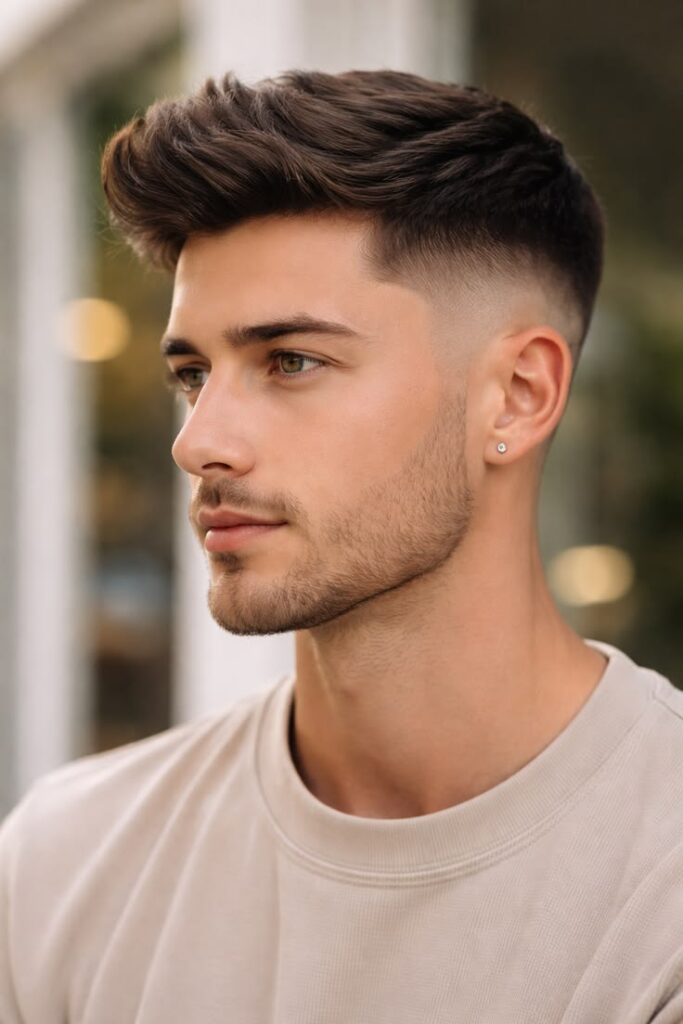
- Visit your barber every 2–3 weeks to keep the fade blended
- Wash hair 2–3 times a week to avoid product buildup
- Use a light conditioner to keep hair manageable
- Clean up the neckline between visits if you’re comfortable doing it yourself
The low taper fade doesn’t demand daily upkeep, which is one of its biggest selling points for beginners.
Common Beginner Mistakes
- Asking for the fade to start too high on the head
- Overloading the top with styling product
- Not specifying the desired top length
- Waiting too long between trims and losing the shape
- Expecting the fade to look freshly cut for weeks without touch-ups
Cost of a Low Taper Fade
Pricing depends heavily on location, barber experience, and shop reputation.
| Barbershop Type | Typical Price Range |
| Local/neighborhood barbershop | $15–$30 |
| City or trendy barbershop | $30–$60 |
| Premium salon or master barber | $70+ |
Generally, barbershops that specialize in fades produce more consistent, cleaner results than general salons.
Final Thoughts
A low taper fade is one of the safest, most beginner-friendly haircuts you can request. It keeps enough hair on the sides to avoid harsh lines, works with nearly every face shape, and doesn’t demand constant upkeep between barber visits.
Whether you’re heading into a classroom, an office, or a job interview, this cut adapts easily without drawing unwanted attention. Bring a reference photo, communicate clearly, and you’ll walk out with a clean, versatile style that holds up well as it grows out.
Frequently Asked Questions
Is a low taper fade good for a first haircut?
Yes, it’s one of the safest fade options for beginners since mistakes are less noticeable.
Does it work well with curly hair?
Yes, it keeps curls intact on top while neatly cleaning up the sides and neckline.
Is a low taper fade allowed in schools or offices?
Generally yes, since it’s a subtle, professional-looking style rather than a bold, high-contrast fade.
How long does a low taper fade last before needing a trim?
It typically stays sharp for about 2–3 weeks, and still looks decent up to a month.
Does it need daily styling?
No, a small amount of product and a few minutes are usually enough to maintain the look.