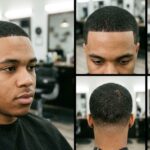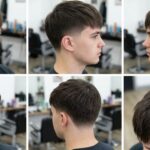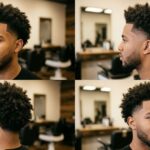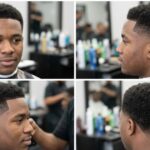
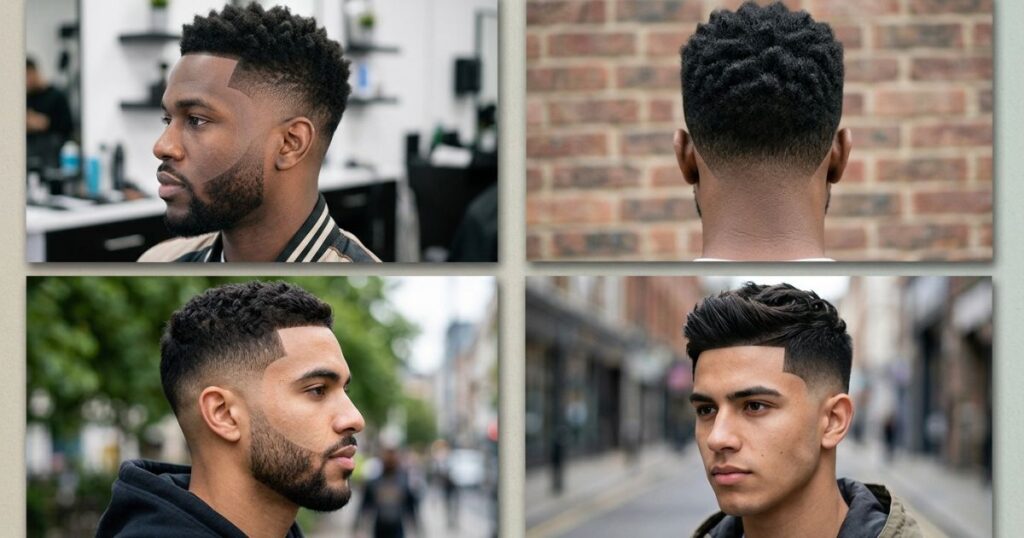
A low taper fade is a clean, low-risk haircut. It keeps the top full and neatly shortens the hair around your ears and neckline. It looks sharp without feeling extreme, which is why barbers often recommend it to first-timers and why so many men keep coming back to it.
This beginner guide explains what the cut is, how it differs from similar fades, who it suits, and how to ask for it. You will also find styling steps, product tips, maintenance timing, common mistakes, and typical prices, so you can sit in the barber’s chair with confidence.
What Is a Low Taper Fade?
A low taper fade is a haircut where the hair gets gradually shorter around the sideburns, ears, and nape. The shortening starts low, close to the natural hairline. The sides and back keep most of their length.
Think of it as a tidy frame around your haircut. The top stays long enough to style. The edges are cleaned up, and the blend looks soft rather than stark.
Key features at a glance:
- The fade starts low, around or just above the ear
- The sideburns and neckline are shaped
- The sides above the fade keep visible length
- The skin is usually not exposed, though it can be if you request it
- The top can be short, medium, or long
What Does “Taper” Mean?
A taper is a gradual change in hair length. The hair starts longer and shortens smoothly as it moves toward the hairline, with no sudden step or harsh line.
Barbers build a taper with clippers, guard attachments, and sometimes scissors-over-comb work. A typical blend might move through longer guards and end near a #1 or #2 at the very edge. Exact numbers vary by barber and by how short you want the cut.
Tapers appear in three main places:
- Sideburns: the hair in front of your ears
- Around the ears: the curve above and behind each ear
- The nape: the back of the neck
Difference Between Low Taper Fade, Low Fade, and Taper Fade
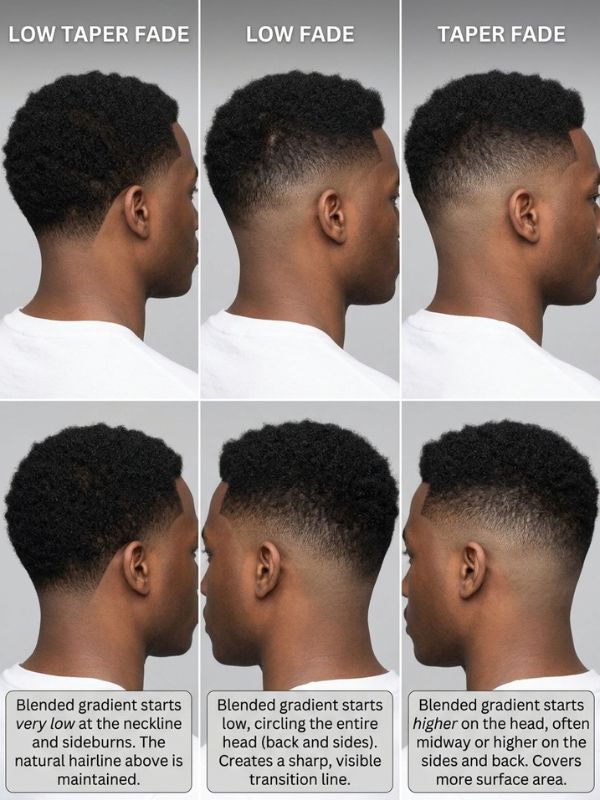
These three terms get mixed up constantly, and barbers do not always use them the same way. The table below shows how they usually compare.
| Feature | Low Taper Fade | Low Fade | Taper Fade |
| Where it starts | Low, near ears and nape | Low, near ears and nape | Varies (low, mid, or high) |
| How short it gets | Short but usually not skin | Often down to skin or very close | Depends on the request |
| Contrast with the top | Soft and subtle | Sharper and more visible | Varies |
| Amount of side length kept | More | Less | Varies |
| Maintenance | Lower | Higher | Varies |
| Best for | First-timers, office settings | Men who want a bolder edge | Men who give clear instructions |
Learn more:Low Taper Fade for Curly Hair: A Simple Style Guide for Men
Low Taper Fade
This is the gentlest option. Only the edges are blended, so the sides keep more length. The result is neat, natural, and easy to grow out.
Low Fade
A low fade usually cuts closer, often down to the skin at the bottom. The contrast with the top is more visible. It looks crisp, but it shows regrowth faster.
Taper Fade
“Taper fade” is a broad label. It can describe a low, mid, or high result, depending on the barber. If you only say “taper fade,” you may get something different from what you pictured. Add the word “low” and bring a photo.
Why the Low Taper Fade Is a Smart Choice
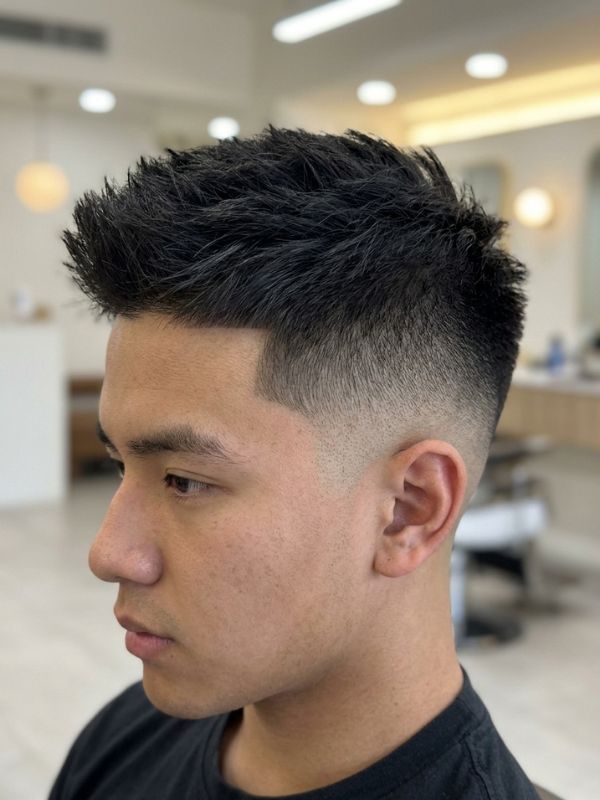
It sits in the middle ground. You get the sharp finish of a fade without losing too much hair on the sides. Here is why it works so well for beginners.
Clean Appearance:
The tapered edges frame your face and neck. Even with the top left unstyled, the haircut looks tidy and deliberate.
Professional Look
The blend is subtle, so it fits most dress codes. It suits interviews, offices, schools, and formal events. If you want a safe haircut for a job interview, this is a strong candidate.
Easy to Maintain
You do not need a heavy product routine. A small amount of cream or clay on top is usually enough. Because the sides are not cut to skin, regrowth is less obvious.
Grows Out Nicely
The longer sides hide new growth. Most men can stretch a low taper fade a bit past the ideal date without it looking messy. The taper gently loosens instead of collapsing.
Who Should Get a Low Taper Fade?
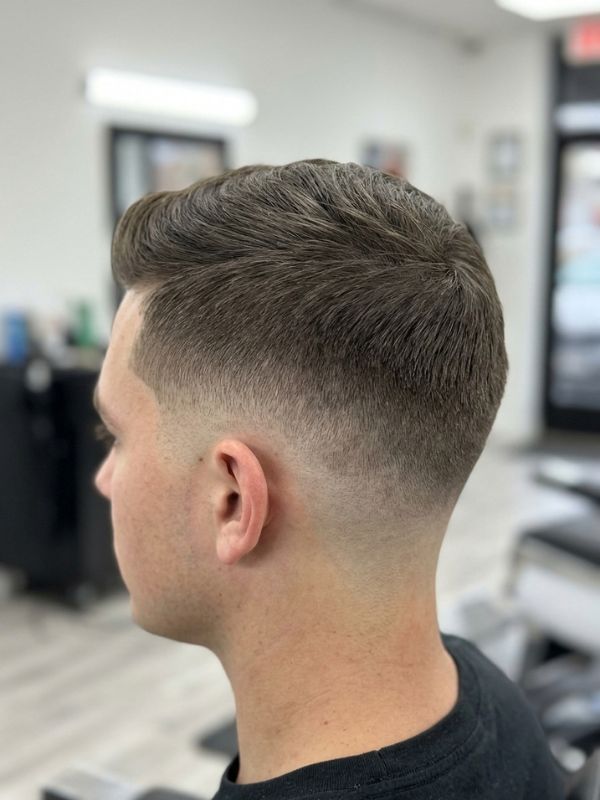
Almost anyone can wear it, but a few tweaks help. Use the table below as a starting guide.
| Face Shape | How the Low Taper Fade Helps | Suggested Top |
| Oval | Works with almost any variation | Quiff, side part, crop |
| Round | Adds structure and definition | Added height, textured top |
| Square | Softens or highlights the jaw | Medium length, side sweep |
| Long | Keeps width balanced | Shorter top, fringe or forward texture |
| Heart | Balances a narrow chin | Medium top with natural movement |
| Hair Type | What to Expect |
| Straight | Shows the blend clearly; can look very crisp |
| Wavy | Gives natural movement on top with clean sides |
| Curly | Keeps curls defined while edges stay neat |
| Coily/Afro-textured | Pairs well with a defined shape-up and sharp lines |
| Thick | Controls bulk around the ears |
| Fine/thin | Keeps the sides tidy without looking sparse |
Receding hairlines and thinning crowns can still work with this cut. Ask your barber to keep the top a bit longer to help with coverage.
Best Low Taper Fade Styles for Beginners
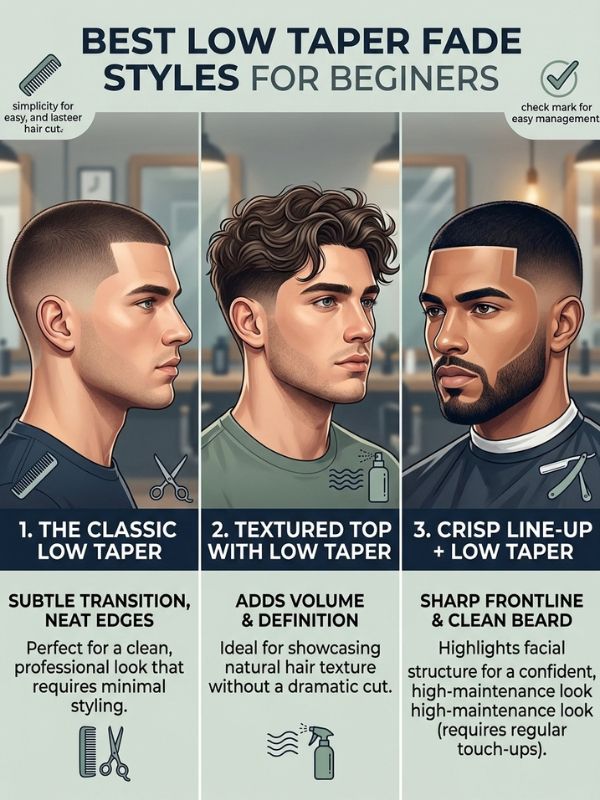
These are easy to ask for and easy to live with:
- Short crop with a low taper: Neat, quick to style, great for work or school.
- Textured top with a low taper: Adds volume with light styling.
- Curly top with a low taper: Keeps natural curls and cleans up the edges.
- Side part with a low taper: Polished and formal.
- Low taper with a beard: The beard blends into the sideburns for a connected look.
- Longer top with a low taper: Great if you want to grow your hair out but keep it neat.
Once you feel comfortable, you can try variations like a burst taper or a drop taper behind the ear.
How to Ask Your Barber
Clear words plus a photo prevent most haircut disasters. Follow these steps:
- Say “low taper fade” and mention that you want it to start low.
- Describe the top length (for example, “about two inches” or “scissor cut, leave it textured”).
- Say whether you want skin showing at the bottom or not.
- Choose a natural or squared neckline.
- Mention if you want the taper to connect to a beard.
- Show one or two reference photos.
Sample script: “I’d like a low taper fade, starting low around the ear and neck. No skin, please. Keep the top about two inches with some texture, and a natural neckline.”
Avoid vague requests like “just a fade” or “whatever looks good.” They leave too much room for guesswork.
How to Style a Low Taper Fade
Styling takes about two minutes once you know the routine.
- Start with clean hair that is towel-dried or slightly damp.
- Take a pea-sized amount of product.
- Rub it between your palms until it is warm and even.
- Work it through the top only, from the roots to the tips.
- Shape with your fingers or a comb.
- Finish with a little hairspray if you need all-day hold.
Keep product off the faded sides. It can weigh the hair down and hide the blend.
Product Guide:
| Product | Finish | Hold | Best For |
| Styling cream | Natural, soft | Light | Everyday looks, short hair |
| Matte clay | Textured, dry | Medium–strong | Messy or textured tops |
| Pomade (water-based) | Shiny, polished | Medium | Side parts, slick styles |
| Sea salt spray | Beachy, tousled | Light | Wavy hair, added volume |
| Curl cream | Defined, soft | Light–medium | Curly and coily hair |
Start with less than you think you need. You can always add more.
How to Maintain a Low Taper Fade Properly
Good upkeep keeps the blend crisp and the edges clean.
| Task | How Often |
| Barber visit for a full cut | Every 2 to 4 weeks |
| Quick neckline or sideburn cleanup | Every 1 to 2 weeks (optional) |
| Shampoo | 2 to 3 times a week (more often for oily scalps) |
| Conditioner | After each wash for dry or curly hair |
| Scalp moisturizing or oil | As needed for dryness |
A few extra tips:
- Use a soft brush or comb to keep the top neat.
- Sleep on a silk or satin pillowcase if you have curls or waves.
- Avoid trimming the sides at home unless you have clippers and experience.
Common Beginner Mistakes
| Mistake | Why It Hurts | What to Do Instead |
| Asking for “just a fade” | Result may be higher or shorter than expected | Say “low taper fade” and bring a photo |
| Not specifying top length | Barber guesses your length | Give an inch measurement or show a picture |
| Using too much product | Weighs the top down, hides the blend | Start with a pea-sized amount |
| Waiting too long between cuts | The taper loses shape | Book every 2 to 4 weeks |
| Choosing the cheapest barber | Blends can look patchy | Check reviews and photos of past work |
| Expecting it to stay perfect forever | Hair grows constantly | Plan trims ahead of time |
Cost of a Low Taper Fade
Prices depend on your city, the shop, and the barber’s experience. These ranges are typical for the US and can vary widely. Check with your local shop for exact pricing.
| Type of Shop | Typical Price Range |
| Local neighborhood barbershop | About $20 to $35 |
| Mid-range city barbershop | About $35 to $60 |
| Premium salon or high-end barber | $60 and up |
Expect to pay extra for add-ons like a beard trim, a hot towel, or a detailed line-up. Tipping is customary in the US, commonly around 15 to 20 percent.
Final Thoughts
A low taper fade is one of the safest ways to try a fade for the first time. It cleans up your ears, sideburns, and neckline while leaving the sides full enough to look natural, so the result feels polished rather than dramatic, and it works with most hair types.
Bring a reference photo, state your top length, and book a trim every three to four weeks. Do that, and the cut stays sharp with very little effort. Start simple, learn what you like, and adjust the details with your barber over time.
Frequently Asked Questions
Is a low taper fade good for a first fade?
Yes. It is subtle, easy to grow out, and low risk for beginners.
Does a low taper fade show skin?
Not usually. Skin is optional, so tell your barber if you want it.
How often should I get a low taper fade trim?
Every 2 to 4 weeks keeps the edges clean and the blend sharp.
Can I get a low taper fade with curly hair?
Yes. The top keeps its curls while the edges stay clean and neat.
Is a low taper fade professional enough for work or interviews?
Yes. The soft blend fits most office and interview settings.
What is the difference between a low taper and a low fade?
A low taper keeps more length and looks softer. A low fade cuts closer and looks sharper.
Can I get a low taper fade with a beard?
Yes. Ask the barber to blend your sideburns into the beard for a seamless look.
Does a low taper fade need daily styling?
No. A small amount of cream or clay on top is usually enough.
How much does a low taper fade cost?
Most barbershops charge roughly $20 to $60, depending on location and skill.