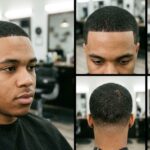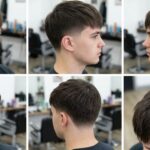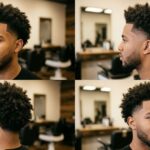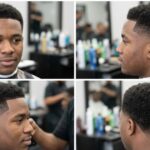
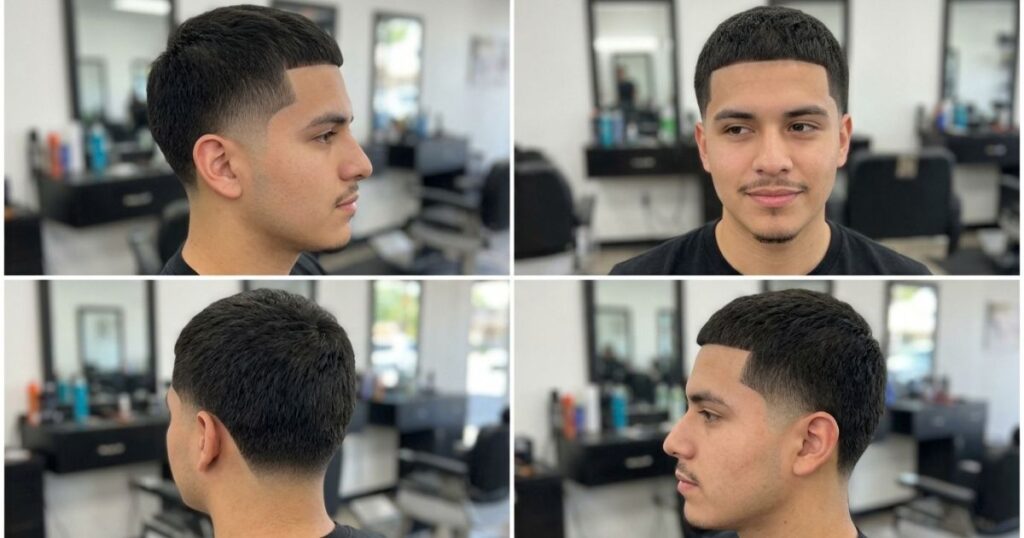
The Hispanic Mexican low taper fade is a staple of Latino barbershops, and it’s easy to see why. The sides stay short and clean, the top keeps its natural body, and the grow-out looks tidy for weeks. It works at school, at work, and on weekends.
This guide covers 12 styles, how the cut differs from similar fades, what to tell your barber, and how to style and maintain it at home. Use the tables to match the cut to your hair texture, face shape, and routine.
What is a Hispanic Mexican low taper fade?
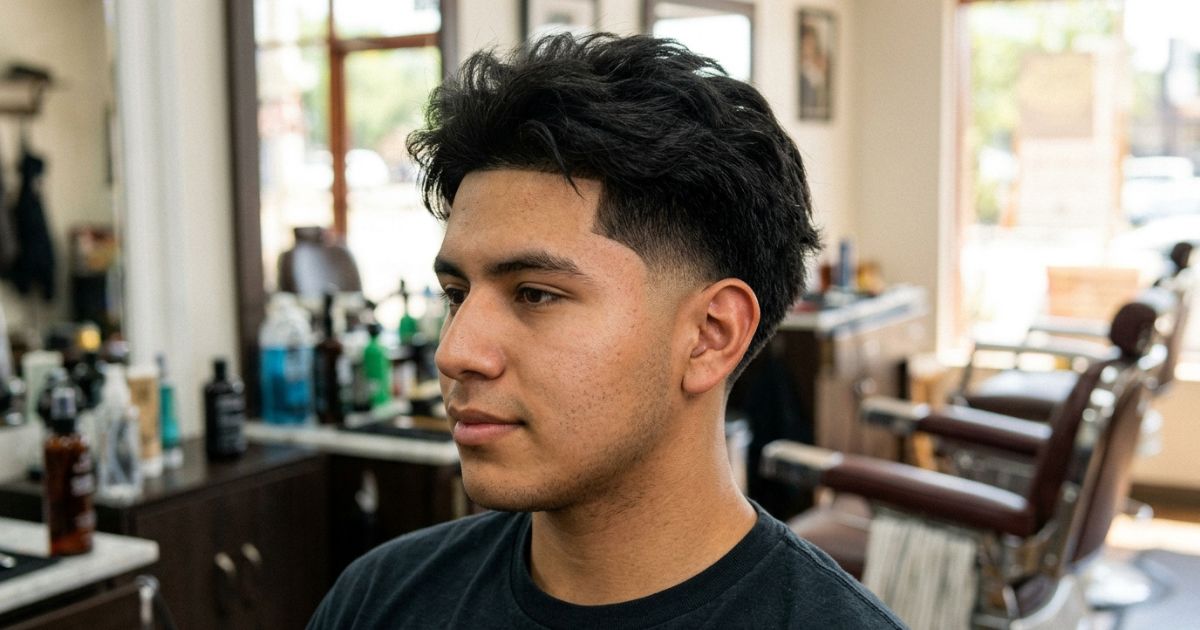
A Hispanic Mexican low taper fade is a low taper with finishing touches common in Latino barbering. The sides blend down gradually starting just above the ear. The top keeps its length and texture, and a sharp lineup usually frames the face.
It’s a style tradition more than a single technique. The clipper work is a standard low taper. What makes it “Mexican” or “Hispanic” is how it’s worn: a defined part, natural curls or waves left on top, a blunt Edgar fringe, or a slicked-back finish.
Quick definition: A taper shortens hair gradually toward the neckline and sideburns. “Low” means the shortening starts low on the head, so the cut looks soft and grows out neatly.
Low taper fade vs low fade vs mid taper vs drop fade
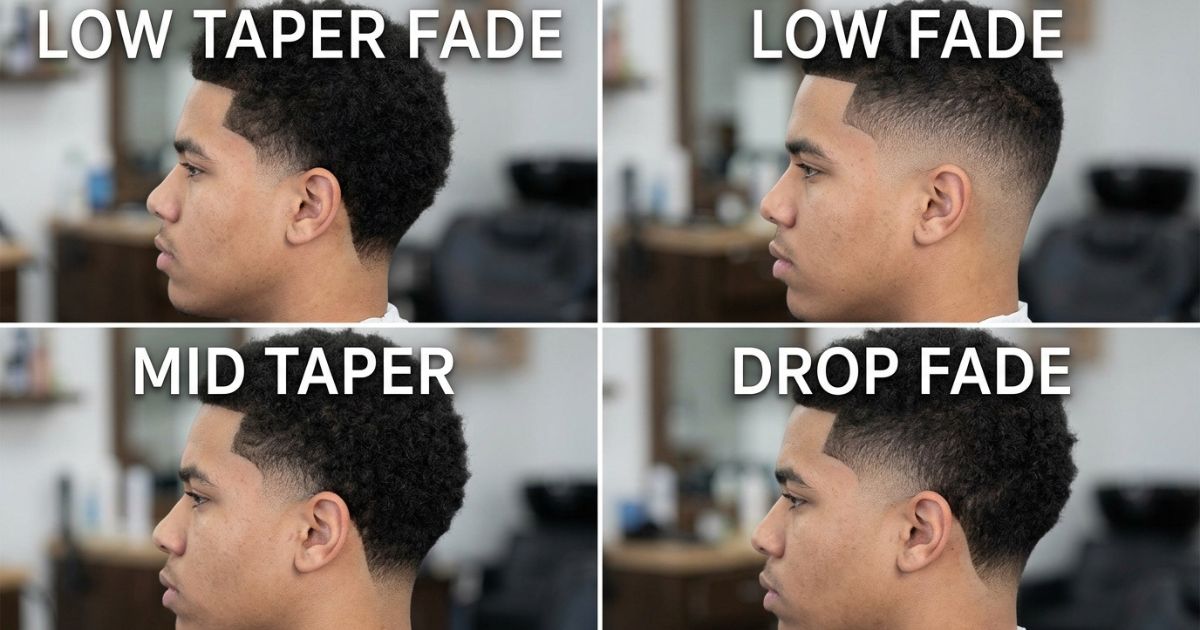
These four cuts get mixed up all the time. The main differences are where the blend starts and how short it gets.
| Cut | Where it starts | How short it gets | Best for |
| Low taper fade | Just above the ear and neckline | Short, but length remains at the edges | Everyday, subtle look |
| Low fade | Just above the ear | Down to skin | A bit more contrast |
| Mid taper | Around the temple | Short, with length at the edges | Thick hair, bolder contrast |
| Drop fade | Curves down behind the ear | Often to skin | Stylized look, design work |
A fade usually reaches bare skin. A taper keeps some length at the edges, so it looks softer. Many barbers combine the two, which is why a “low taper fade” can mean different things from shop to shop. Bring a photo.
Best Hispanic Mexican low taper fade styles to try
Think of the low taper as a base your barber builds on. These 12 variations cover most hair types, face shapes, and routines.
1. Classic low taper fade
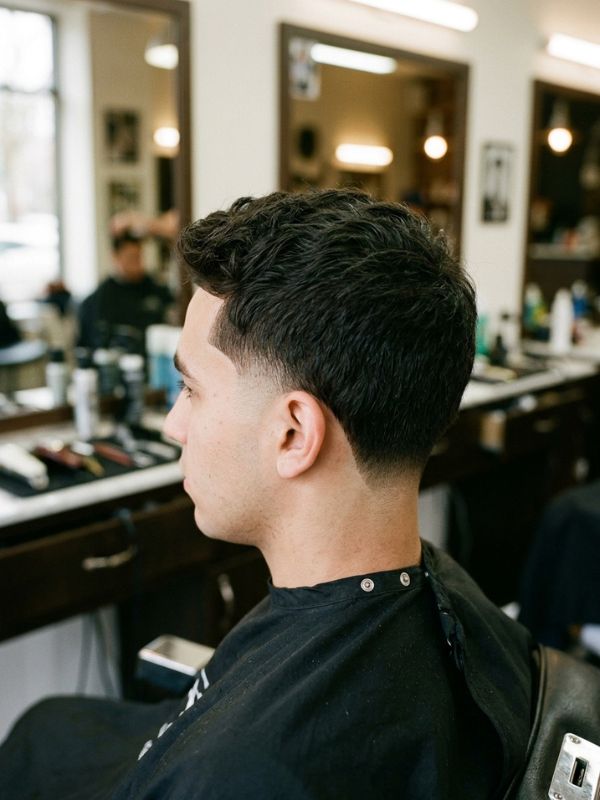
The top stays a few inches long and is combed to the side or back. It’s clean, easy to style, and works almost anywhere. Straight and wavy hair hold this shape best.
2. Low taper fade with a textured top
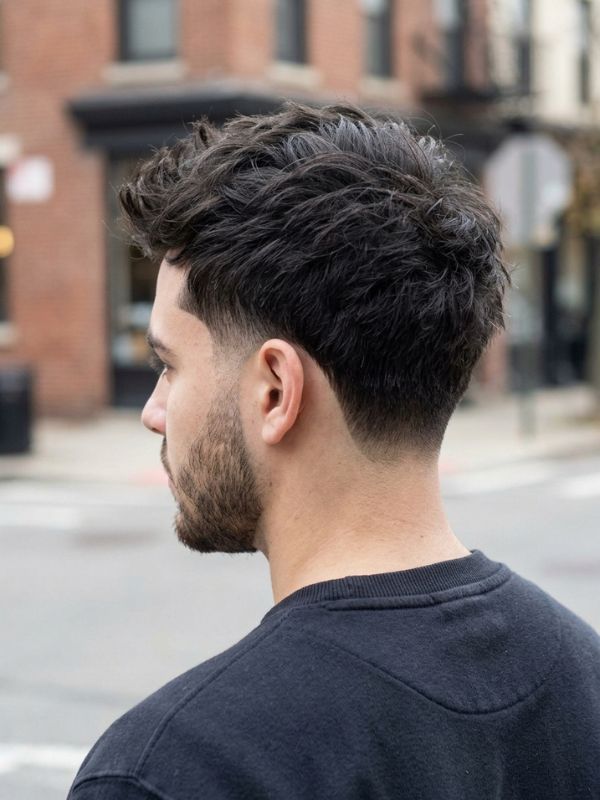
The barber cuts the top with scissors or a razor so it looks layered and a little rough. A dab of matte clay finishes it. It suits thick or wavy hair and takes about two minutes to style.
3. Curly low taper fade
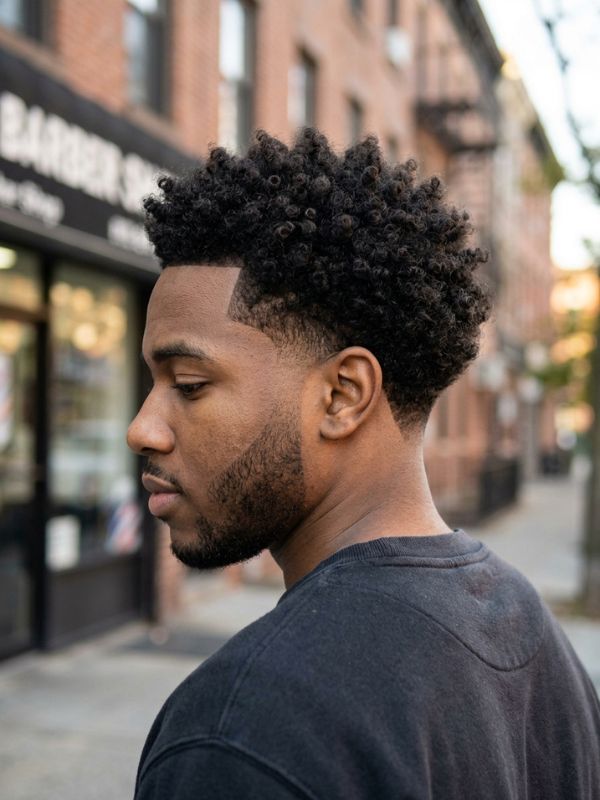
The curls stay full on top while the sides taper low and clean. The tight sides make the curls stand out. Ask your barber to check your curl pattern before cutting so you don’t lose length you want.
4. Straight hair low taper fade
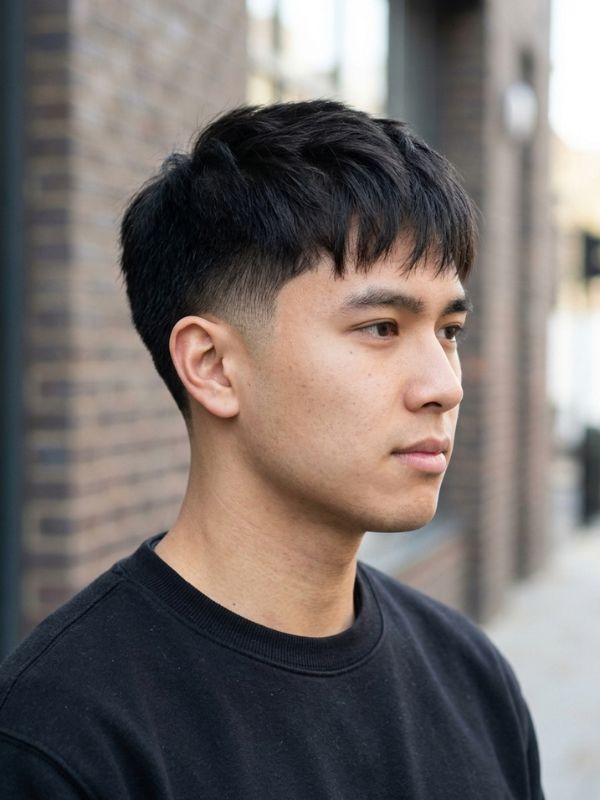
Straight hair shows the fade line clearly, so the blend needs to be smooth. Side parts, slick-backs, and short crops all work. Use a light product so the hair doesn’t look flat or greasy.
5. Wavy low taper fade
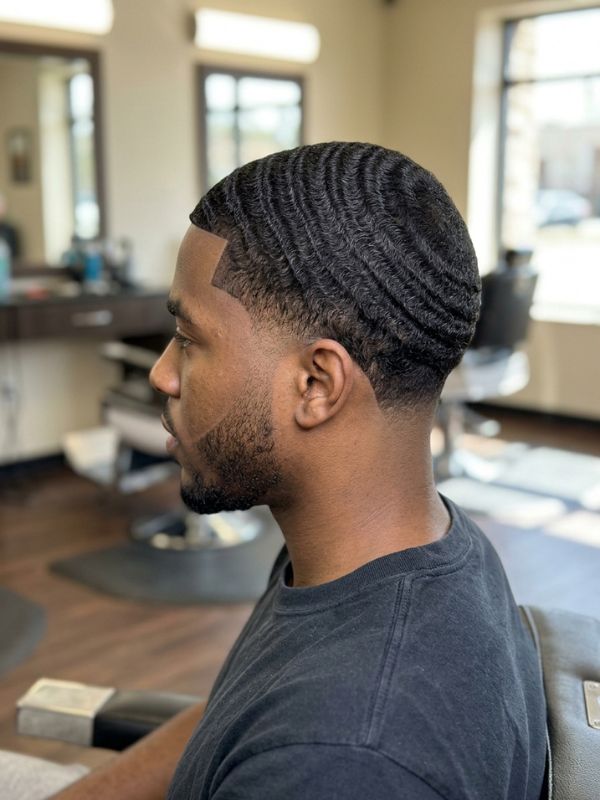
Waves need some length to show up, so keep the top a bit longer. Work a small amount of cream or sea salt spray into damp hair. This version looks natural and takes little effort.
6. Blowout low taper fade
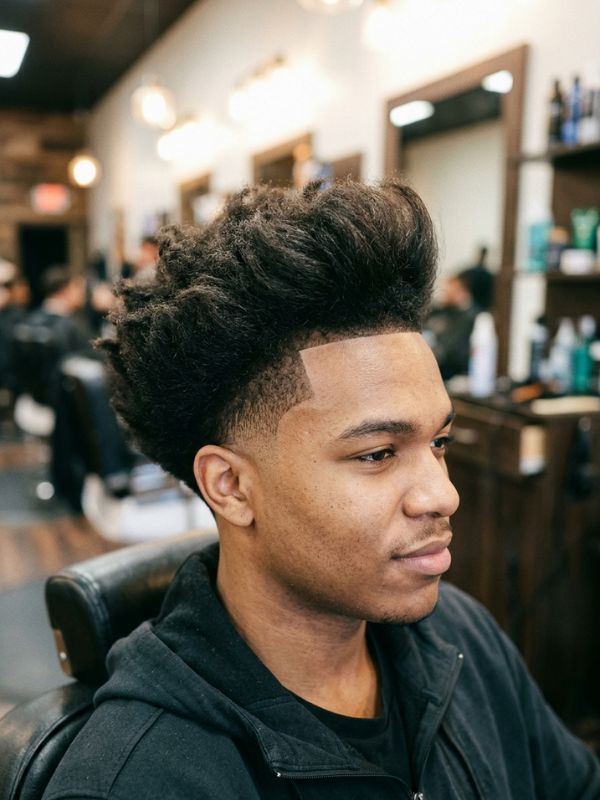
Blow-drying lifts the top into a full, voluminous shape while the sides stay tight. It works best on thick or coarse hair. A texture spray before drying and a light-hold clay after keeps it up.
7. Edgar cut with a low taper fade
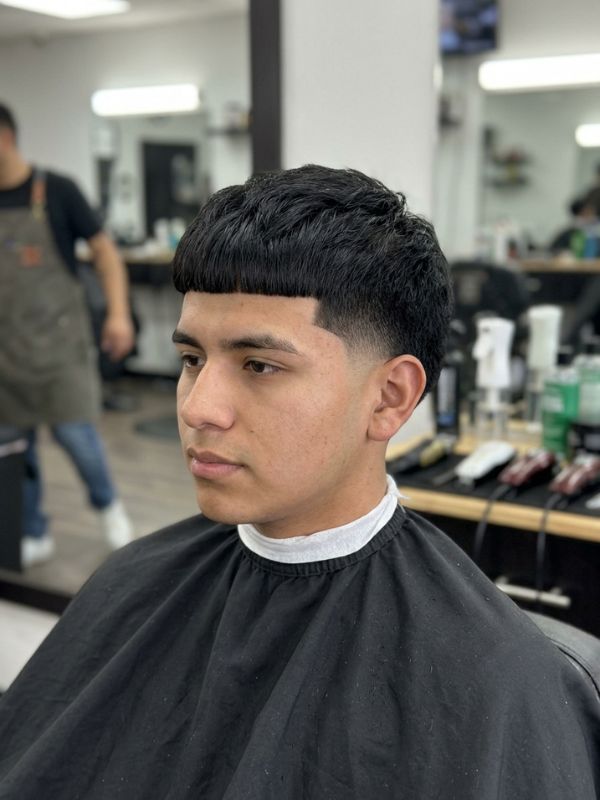
The Edgar has a blunt, straight-across fringe over faded sides. It became popular among young Mexican Americans, especially in Texas and the Southwest, and spread through social media. The low taper softens the contrast compared with the high fades often seen on Edgars.
8. Low taper fade with a lineup
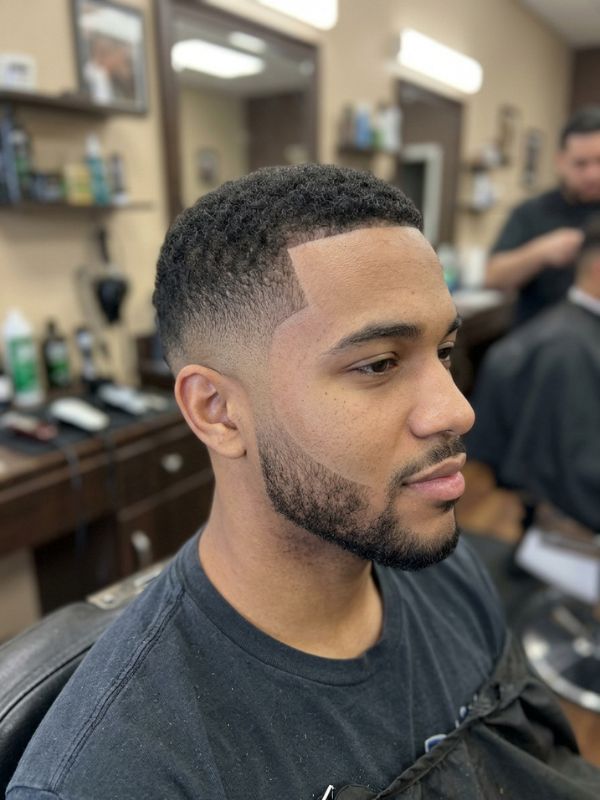
A lineup (or shape-up) is a crisp edge along the forehead, temples, and sideburns. It makes any cut look fresh. Ask for it softer if you want a natural look, or sharper if you want it to stand out.
9. Low taper fade with a beard
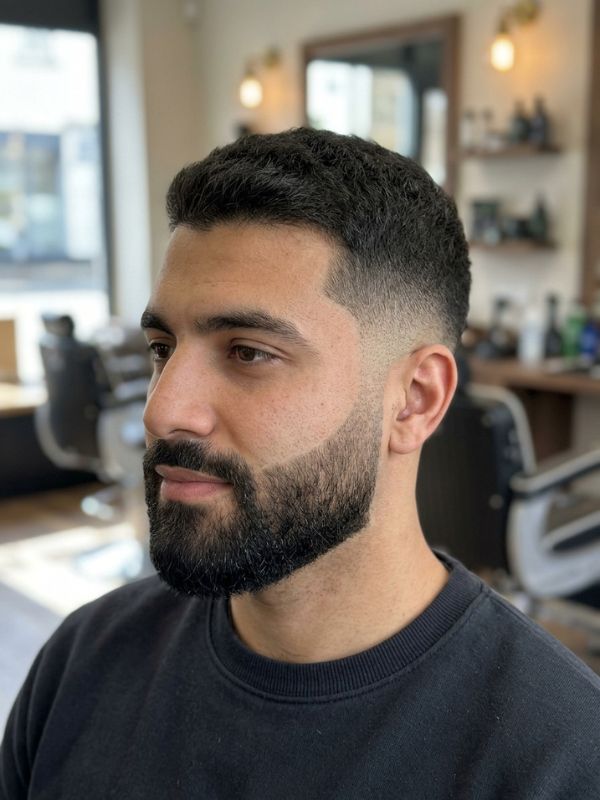
The barber blends the taper into the beard so there’s no hard break at the sideburn. The head and face look like one cut. This suits anyone who keeps a beard longer than stubble.
10. Low taper fade with a fringe
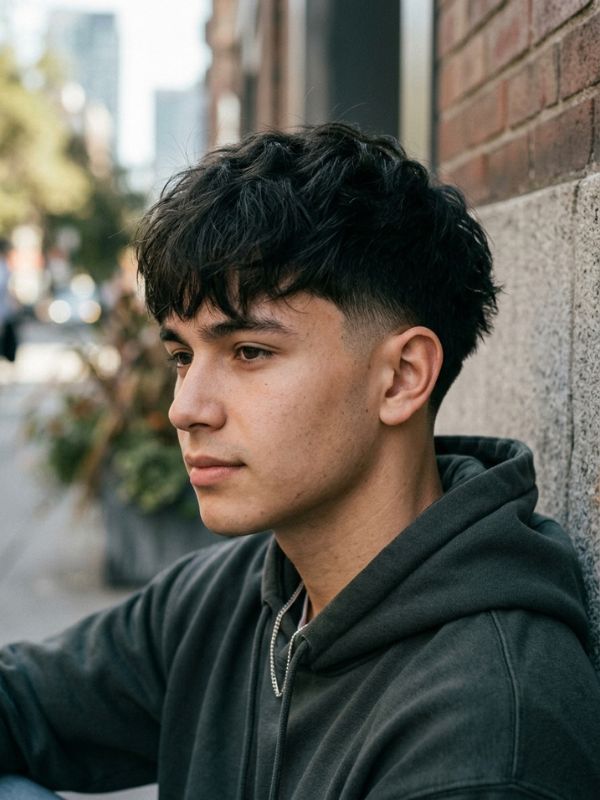
A soft fringe sits on the forehead without the hard line of an Edgar. It’s relaxed and works well on straight or wavy hair. It also helps if you want some coverage on a high forehead.
11. Low taper fade with a messy top
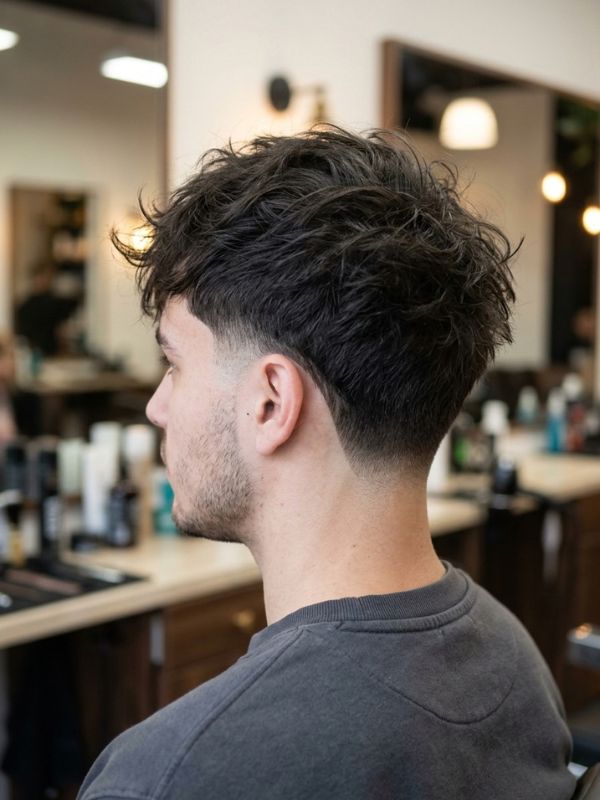
The top stays longer and tousled, with no part or strict shape. Wavy or thick hair gives the best result. Work in a little clay, ruffle it, and leave it.
12. Takuache-inspired low taper style
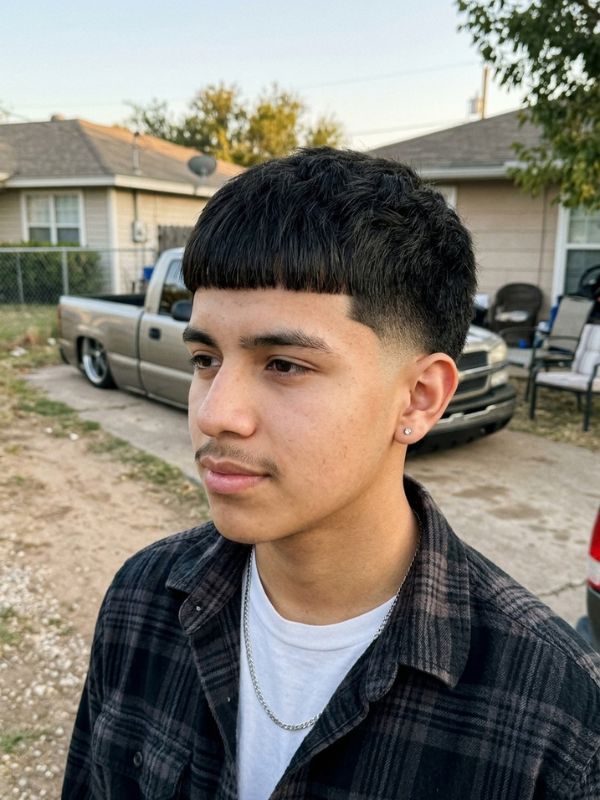
The takuache look is tied to northern Mexican and Mexican-American youth culture, including regional Mexican music. It often combines faded sides, a fringe, and a longer back. A low taper makes it more subtle and easier to wear to work or school.
How the cut looks on different hair textures
Texture changes how the cut sits and how you style it.
| Hair texture | How it behaves | Best styles | Styling tip |
| Straight | Lies flat, shows the fade line | Classic, fringe, Edgar | Style on damp hair with light pomade |
| Wavy | Adds natural movement | Textured top, messy top | Use cream or sea salt spray |
| Curly | Shrinks when dry, holds volume | Curly low taper, curly fringe | Apply curl cream to damp hair, avoid brushing dry |
| Thick or coarse | Holds shape and height | Blowout, textured top | Ask for thinning or point cutting to reduce bulk |
Best styles by face shape
| Face shape | What works | What to avoid |
| Oval | Almost anything | Nothing specific |
| Round | Height on top, tight sides, sharp lineup | Wide, flat tops |
| Square | Soft fringe or textured top | Very boxy shapes |
| Long | Side-swept top or fringe, moderate height | Tall blowouts |
| Heart | Fringe or fuller top with a low taper | Very short sides with a heavy top |
If you aren’t sure of your shape, ask your barber. They see it every day.
Read More:Low Taper Fade Styles for Straight Hair: Best Haircuts for Men 2026
What to ask your barber for
Clear words help more than the name of the cut. Try this:
“I’d like a low taper starting just above the ear, blending into the neckline. Keep the top [length] and textured, and clean up the hairline with a soft lineup.”
Tips for the chair:
- Bring one or two reference photos.
- Name the guard sizes if you know them (a #1 or #1.5 at the shortest point is common).
- Say whether you want skin showing or length left at the edges.
- Mention how you usually style your hair and how long it takes.
- Say how you feel about the lineup: soft, medium, or sharp.
How to style it at home
- Wash and towel-dry. Leave the hair slightly damp.
- Apply the right product. Use a pea-sized amount.
- Shape the top. Use your fingers for texture, a comb for a classic look, or a blow dryer for volume.
- Finish lightly. A little hairspray holds the style without making it stiff.
| Product | Best for | Finish |
| Matte clay | Textured and messy tops | No shine, strong hold |
| Pomade | Classic and slicked styles | Shine, controlled look |
| Curl cream | Curly and wavy hair | Definition, less frizz |
| Sea salt spray | Waves, blowouts | Light texture |
How often to maintain it
The sides and neckline grow out first, so they set the schedule.
| Part of the cut | Touch-up frequency |
| Full cut (fade and top) | Every 2 to 3 weeks |
| Neckline and sideburn cleanup | Every 1 to 2 weeks |
| Lineup | Every 1 to 2 weeks |
| Top (trim only) | Every 4 to 6 weeks |
| Beard blend | Every 2 to 3 weeks |
Fast-growing hair usually needs the shorter end of each range. Many barbers offer quick cleanups for less than a full cut.
Common mistakes to avoid
- Letting the fade creep up. Over several visits, a low taper can become a mid taper. Say “keep it low” each time.
- Cutting the top too short. You lose styling options. Start longer and trim later.
- Fighting your texture. Forcing curls flat or straight hair to curl is a daily battle.
- Using too much product. It weighs hair down and looks greasy.
- Skipping the consultation. Terms differ between barbers. Confirm the plan before the clippers start.
- Waiting too long between cleanups. A messy neckline ruins an otherwise good cut.
Adapting the cut for school, social media, and work
| Setting | Recommended style | Styling approach |
| School | Classic low taper, soft lineup | Minimal product, neat part |
| Social media | Blowout, Edgar, or takuache-inspired | Texture spray, sharper lineup |
| Work | Side part or combed top, subtle lineup | Pomade or light clay, neat finish |
The same fade can work in all three settings. Only the top and the product change. Check dress codes at school or work before choosing a bold fringe or long back.
Best beards to pair with a low taper fade
| Beard style | Best with | Why it works |
| Clean shave | Classic, work looks | Keeps focus on the haircut |
| Stubble | Almost any style | Low maintenance, adds definition |
| Boxed beard | Textured top, blowout | Adds jaw structure |
| Goatee | Edgar, takuache | Adds edge without a full beard |
| Faded beard | Any style | Blends smoothly into the taper |
Quick reference: which style should you pick?
| If you want… | Choose |
| Low maintenance | Classic low taper with a soft lineup |
| Natural curls | Curly low taper fade |
| Extra height | Blowout low taper fade |
| A bold, structured look | Edgar cut with a low taper |
| A relaxed, lived-in look | Messy top or wavy low taper |
| Forehead coverage | Low taper with a fringe |
| A cultural, youth-driven look | Takuache-inspired low taper |
| A professional look | Classic with a side part |
Frequently asked questions
Is a low taper fade good for Mexican and Hispanic hair?
Yes. It works well on the thick, wavy, and curly textures common in Latino communities. The low blend keeps sides tidy while leaving length on top.
What is the difference between a taper and a fade?
A fade usually goes down to the skin, while a taper leaves some length at the edges. A low taper fade combines the two softly.
How often should I get a low taper fade touched up?
Every two to three weeks for a full cut. A quick neckline cleanup every week or two keeps it sharp.
Can I get an Edgar cut with a low taper fade?
Yes. It’s a softer take on the Edgar that works on most hair types, though straight hair holds the blunt fringe best.
What should I tell my barber to get this cut?
Say “low taper starting just above the ear, textured top, soft lineup,” and bring a photo.
Is a low taper or a mid taper better?
Neither is better. Low is subtle and everyday, while mid has more contrast.
What products work best for styling?
Matte clay suits textured tops, pomade suits classic styles, and curl cream suits curls and waves.
Conclusion
The Hispanic Mexican low taper fade lasts because it balances clean and natural. The sides stay neat, the top keeps its character, and the low blend grows out gracefully. Whether you want classic, curly, Edgar, or takuache-inspired, there’s a version that fits.
Bring a reference photo, say “keep it low,” and talk through your texture and face shape. Style it lightly and book regular cleanups. With a good consultation and a simple routine, this cut looks sharp for weeks.