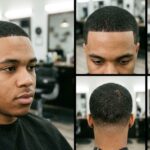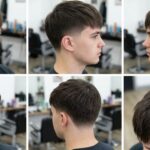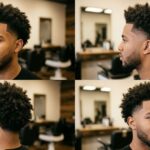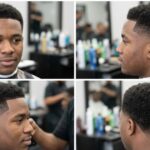
Picking between a low taper and a burst fade is one of the most common dilemmas men face at the barbershop. Both cuts are sharp, modern, and low on drama compared to a high or skin fade, yet they send completely different signals about your personal style.
This guide breaks down the low taper vs burst fade debate in plain, practical terms, covering hair type, face shape, maintenance, beard pairing, and the exact words to use with your barber so you walk out with the cut you actually pictured.
What Is a Low Taper Fade?
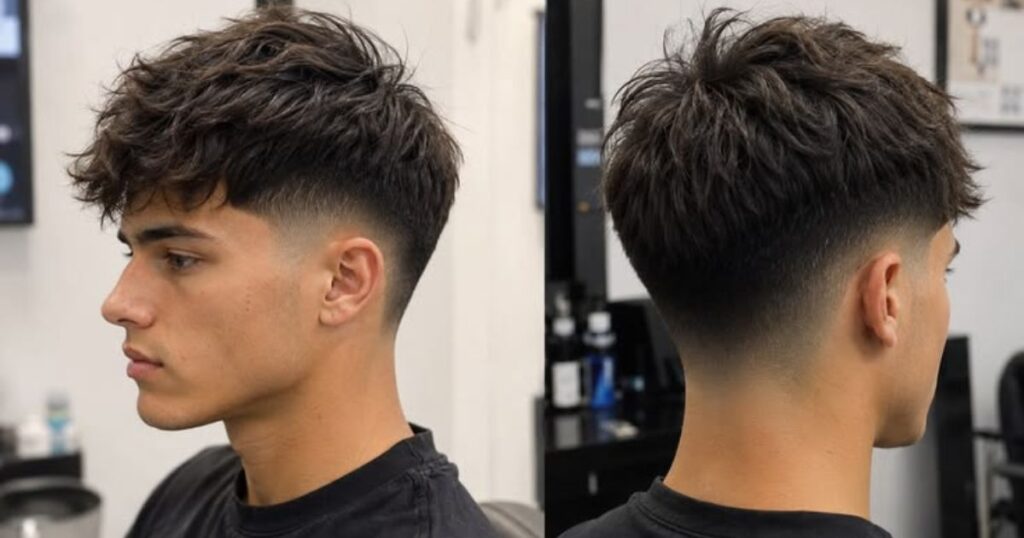
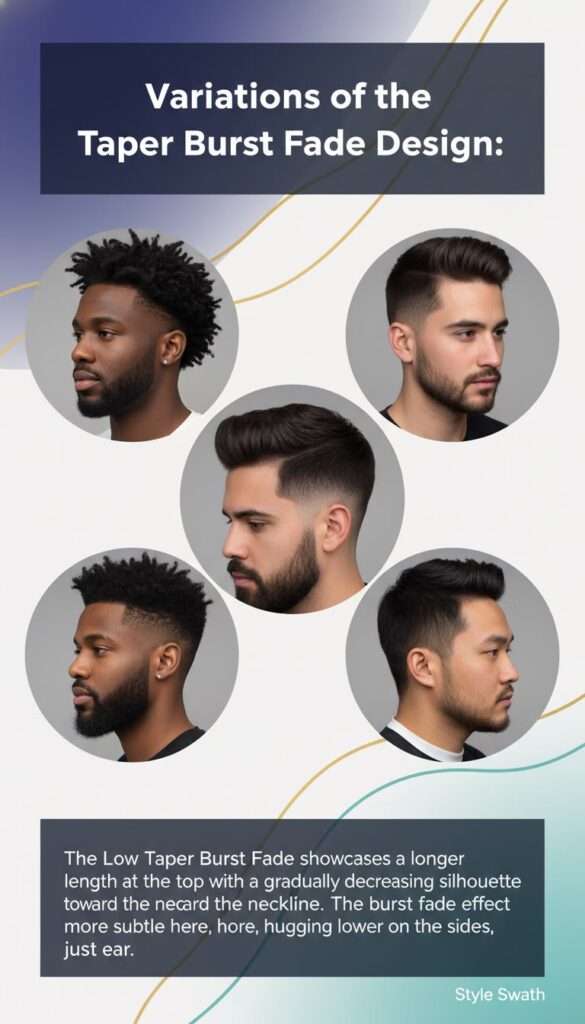
A low taper fade keeps the fade action close to the hairline, ears, and neckline, while the rest of the sides stay relatively full. The blend starts low on the head, so there’s less contrast between the top and the sides.
This is the fade most people picture when they think “clean, everyday haircut.” It’s subtle enough for a job interview, a wedding, or a family photo, yet still modern enough to avoid looking dated.
A low taper fade typically features:
- A gradual fade that begins near the ears and neckline
- Minimal skin exposure compared to mid or high fades
- More hair retained on the sides for a fuller silhouette
- A soft, natural transition into longer hair on top
What Is a Burst Fade?
A burst fade takes a completely different route. Instead of following a straight horizontal line around the head, it curves, or “bursts”, around the ear in a rounded shape, almost like a comma. The rest of the perimeter, especially at the back, is often left longer.
This rounded shape is what gives the burst fade its edgier, more sculpted look. It’s a favorite among people who want their haircut to double as a style statement rather than just a clean trim.
A burst fade typically features:
- A semi-circular fade that wraps tightly around the ear
- Sharper contrast between short and long sections
- Longer hair left at the nape, which pairs well with mullets and mohawks
- A design-forward finish that photographs well and stands out in a crowd
Low Taper vs Burst Fade – Main Differences
Here’s a side-by-side look at how the two cuts compare on the details that actually matter when you’re deciding.
| Feature | Low Taper Fade | Burst Fade |
| Fade line | Straight, low, follows the hairline | Curved, rounds around the ear |
| Visual impact | Subtle and understated | Bold and eye-catching |
| Skin exposure | Little to none | Moderate, concentrated near the ear |
| Hair left on sides | More volume retained | Less hair around the ears |
| Best pairs with | Comb overs, crops, side parts | Mullets, mohawks, curly tops |
| Maintenance frequency | Every 3–4 weeks | Every 2–3 weeks |
| Styling effort | Low | Moderate to high |
| Vibe | Clean, professional | Trendy, expressive |
Which Haircut Looks More Professional?
If workplace-friendly is the priority, the low taper fade generally wins. The gentle, low blend keeps attention on your overall look rather than the haircut itself, which is exactly what most offices, schools, and formal settings call for.
The burst fade isn’t unprofessional, it’s simply more noticeable. Its curved shape draws the eye, which can read as trendy in creative industries but slightly too styled in conservative workplaces.
- Choose a low taper for corporate jobs, interviews, courtrooms, or formal events.
- Choose a burst fade for creative fields, hospitality, entertainment, or casual workplaces where personal style is welcomed.
Which One Is Easier to Maintain?
Maintenance is where the low taper genuinely pulls ahead. Because the fade line sits low and the transition is gradual, it grows out without losing its shape too quickly.
| Maintenance Factor | Low Taper Fade | Burst Fade |
| Touch-up schedule | Every 3–4 weeks | Every 2–3 weeks |
| Grows out gracefully | Yes | Not as smoothly |
| Home upkeep tools needed | Basic trimmer, comb | Trimmer with detail attachment |
| Product dependency | Low | Medium to high |
A burst fade’s rounded edge around the ear is the first thing to blur as hair grows, which is why it needs more frequent barber visits to keep its defined shape.
Best Hair Types for Low Taper vs Burst Fade
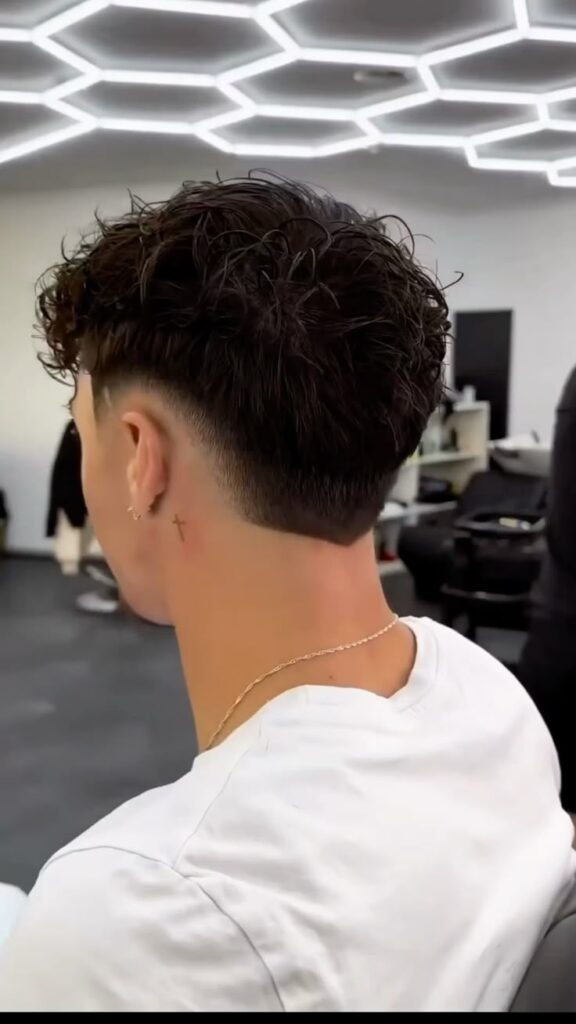
Hair texture changes how each fade actually looks once it grows out, so it’s worth matching the cut to what you’re working with.
Read More:Low Taper Fade: Complete Beginner Guide 2026
Straight Hair
Both cuts work well on straight hair, but the burst fade’s curved line shows up more clearly since straight strands don’t hide the transition the way textured hair does.
Curly Hair
Curly hair and burst fades are a natural match, the rounded shape frames the curls and adds definition without fighting the hair’s natural pattern.
Thick Hair
A burst fade helps remove bulk around the ears and back, making thick hair feel lighter and easier to style, especially when paired with a longer top.
Thin Hair
A low taper fade is usually the safer pick for thin hair since it preserves more density on the sides, avoiding the “patchy” look a tighter fade can create.
Wavy Hair
Wavy hair adapts well to either style. A low taper keeps things understated, while a burst fade adds a bit more shape and movement around the ear.
Best Face Shapes for Each Haircut
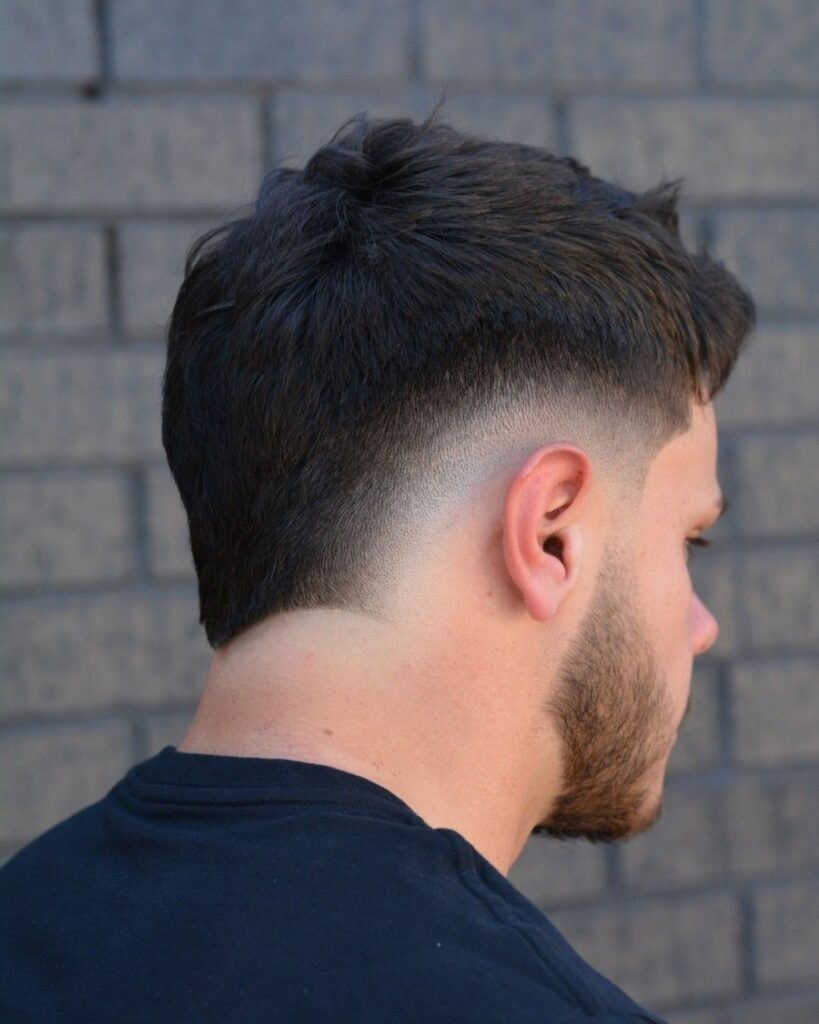
The right fade can subtly balance your facial proportions, so face shape matters just as much as hair type.
Low Taper Works Best For:
- Round faces (adds structure without extra width)
- Oval faces (complements natural balance)
- Long faces (keeps sides fuller to avoid elongating further)
Burst Fade Works Best For:
- Square faces (the curve softens strong jawlines)
- Diamond faces (highlights cheekbones and jaw definition)
- Oval faces (works with almost any fade shape, burst included)
Low Taper vs Burst Fade With Beard
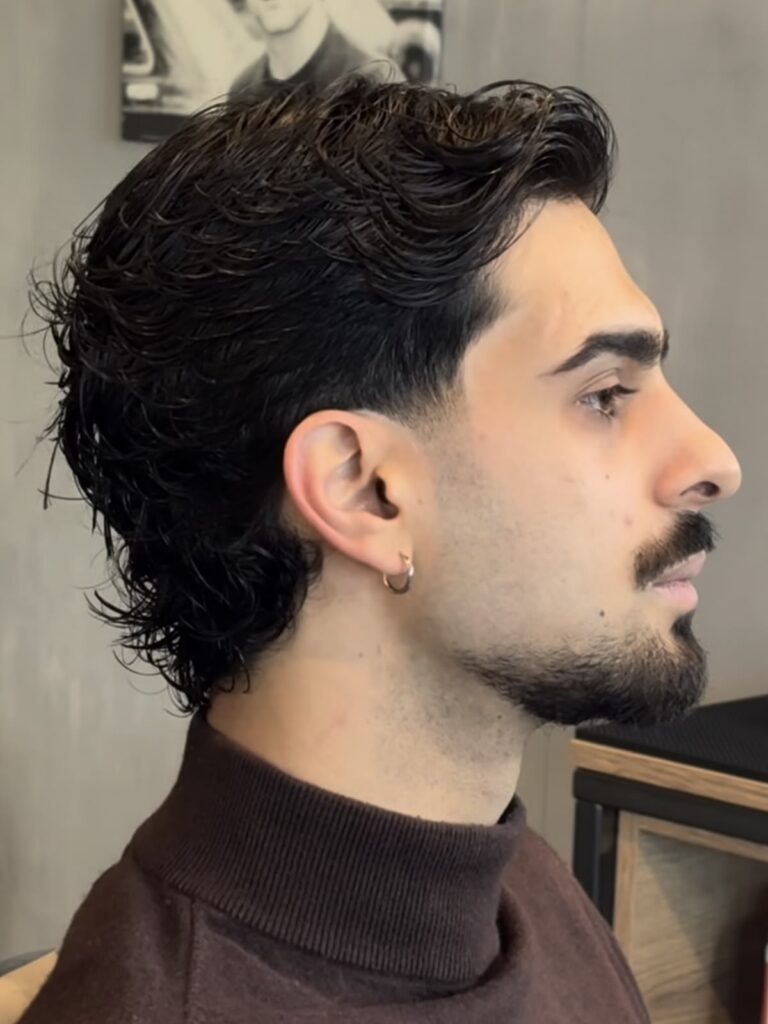
Both cuts pair nicely with facial hair, but the way they blend into a beard is noticeably different.
A low taper fade blends into a beard smoothly and gradually, keeping the whole look soft, tidy, and cohesive, ideal if you want your hair and beard to read as one connected style.
A burst fade creates a sharper break where the fade meets the beard line, adding more contrast and a slightly edgier finish.
| Beard Style | Better Match |
| Short stubble | Low taper fade |
| Full beard | Burst fade |
| Faded beard | Either, depending on desired contrast |
| Goatee | Low taper fade |
Common Mistakes to Avoid
Choosing a Fade That Does Not Match Your Lifestyle
A bold burst fade might look great in photos, but if your job or routine demands a low-key appearance, you’ll end up regretting it within a week.
Ignoring Hair Texture
The exact same haircut can look completely different on straight versus curly hair. Always factor in your natural texture before committing to a style you saw online.
Not Showing Reference Photos
Verbal descriptions leave too much room for interpretation. Bringing clear photos removes the guesswork and helps your barber match the exact fade height and shape you want.
Waiting Too Long Between Haircuts
Both fades lose their sharp lines as hair grows out, but a burst fade fades (pun intended) faster. Skipping appointments defeats the purpose of getting a detailed cut in the first place.
How to Ask Your Barber for the Right Cut
Clear communication makes the difference between a great haircut and a disappointing one. Use specific language rather than vague requests.
For a low taper:
- Ask for “a low taper fade, blended around the ears and neckline”
- Specify whether you want a soft, natural finish or a sharper line
- Mention how much length you want kept on top
For a burst fade:
- Ask for “a burst fade that curves around the ear”
- Say whether you want it subtle or more dramatic
- Mention if you want extra length kept at the nape for a mullet or mohawk effect
Always take:
- A front-view reference photo
- A side-view reference photo
- A back-view photo, if you can find one
Bringing all three angles gives your barber the clearest possible picture of the finished look you’re aiming for.
Which One Should You Pick?
Pick a low taper fade if you:
- Want a clean, everyday haircut that works in any setting
- Prefer lower maintenance and fewer barber visits
- Work in a professional or conservative environment
- Are trying a fade for the first time
Pick a burst fade if you:
- Want a haircut with more personality and edge
- Have thick or curly hair that benefits from the rounded shape
- Enjoy mullets, mohawks, or other textured styles
- Don’t mind more frequent touch-ups to keep the shape sharp
Neither cut is objectively “better”, the right choice depends on your hair type, face shape, lifestyle, and how much attention you want your haircut to draw.
Conclusion
Both the low taper and burst fade are excellent modern haircuts, but they serve different goals. The low taper favors subtlety, versatility, and ease of upkeep, making it a dependable everyday choice for almost any setting or hair type.
The burst fade leans into bold, sculpted style, rewarding those willing to visit the barber more often for a sharper, more distinctive look. Think about your daily routine, workplace, and hair texture before deciding, and don’t hesitate to bring reference photos to your next appointment. Whichever you choose, a skilled barber and clear communication will make sure the final result actually matches what you had in mind.
Frequently Asked Questions
Is a burst fade better than a low taper?
Neither is universally better. Burst fades offer a bolder, more dramatic look, while low tapers stay subtle and easier to maintain long-term.
Does a low taper fade last longer between haircuts?
Yes, it generally holds its shape for 3 to 4 weeks, longer than a burst fade, which needs more frequent detailing.
Which fade works best with curly hair?
Burst fades are especially popular with curly hair because the rounded shape highlights natural curl texture and volume.
Is a burst fade appropriate for school or work?
Yes, a subtler version can work fine, but conservative workplaces usually favor the understated look of a low taper.
Can both haircuts be paired with a beard?
Absolutely. Low tapers blend more softly into a beard, while burst fades create a sharper, more defined transition.
How often should I get a touch-up?
Aim for every 3 to 4 weeks for a low taper and every 2 to 3 weeks for a burst fade to keep the lines crisp.