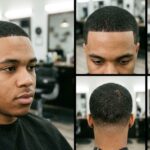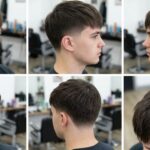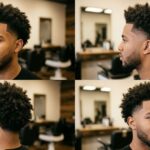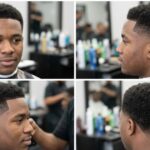
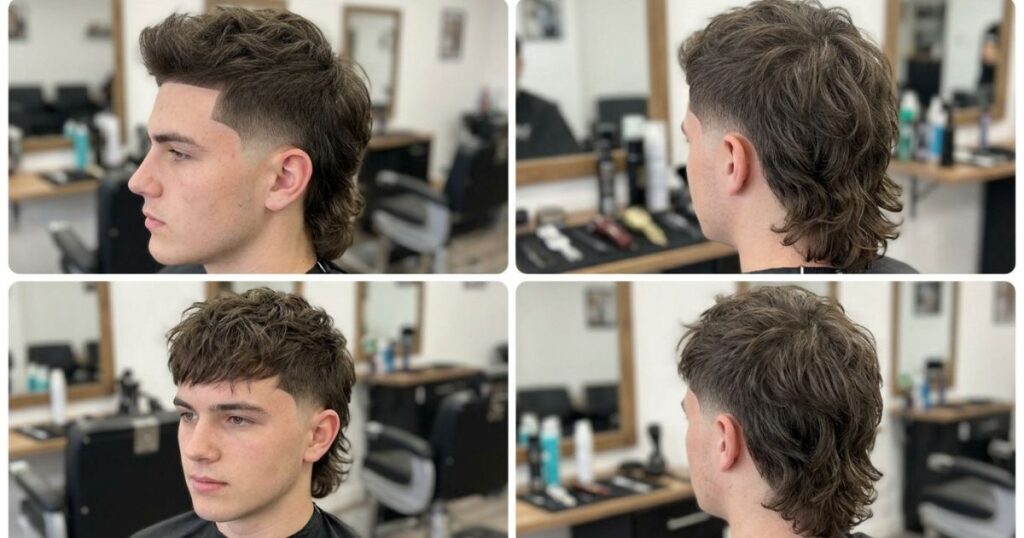
The low taper fade mullet gives you a clean, professional front and a relaxed, longer back. It sits between a standard taper and a full mullet, so you get personality without looking like you went all out. That balance is why it keeps showing up in barbershops.
This guide covers what the cut is, the best variations, and how to choose a length. You’ll also see how it works on different hair types, which face shapes it flatters, what to tell your barber, and how to keep it sharp at home.
What is a low taper fade mullet?
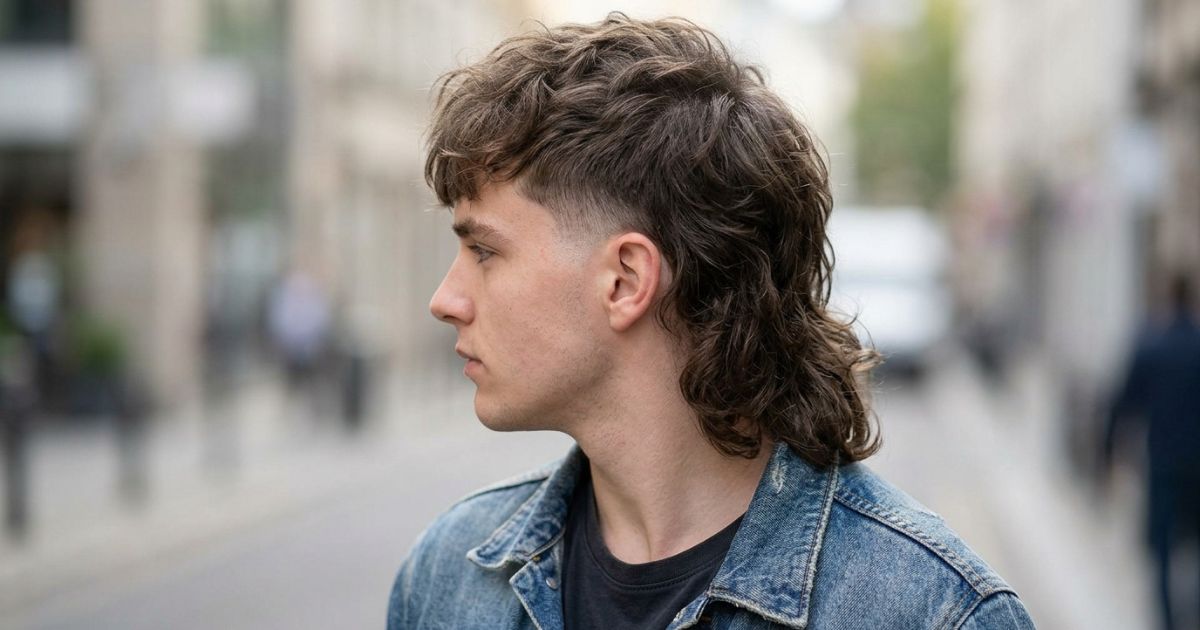
A low taper fade mullet is a haircut with short, neatly blended sides that start fading close to the ears and neckline, and longer hair on top and at the back. The low fade keeps the look tidy. The length behind adds the mullet’s trademark attitude.
Think of it as two ideas combined. The taper shortens hair gradually around the ears and nape. The mullet keeps extra length at the back. Because the blend starts low, the cut feels softer than a skin fade or a high-contrast mullet.
The features that define the cut
- Low fade line: The blend begins just above the ear and around the neckline, not up at the temple.
- Tapered sides: Hair gets gradually shorter toward the hairline, with no hard edges.
- Longer top: Usually long enough to push, sweep, or tousle.
- Extended back: Ranges from a slight collar-length tail to a shoulder-grazing flow.
- Feathered texture: Soft layers replace the blunt, boxy shape of the old-school mullet.
Why choose a low taper fade mullet over other mullet styles?
It’s the easiest mullet to live with. The sides stay neat, the back hides in a collar, and the grow-out looks intentional rather than messy. For many people it’s also the most work-friendly option.
| Mullet type | Fade position | Contrast level | Grow-out look | Workplace-friendly |
| Low taper fade mullet | Near ears and nape | Soft | Gradual, forgiving | High |
| Mid fade mullet | Around the temples | Medium | Noticeable after a few weeks | Medium |
| High fade mullet | Upper sides | Strong | Gets fuzzy quickly | Lower |
| Disconnected mullet | Sharp line, no blend | Very strong | Obvious gap | Lower |
The low version also leaves you room to change your mind. You can trim the back shorter at any time, which is harder to reverse when the sides are already cropped high.
Read More:Blowout Low Taper Fade Curly Hair: Styles, Barber Tips, and Maintenance
Best low taper fade mullet styles and variations
Each variation below keeps the low taper and changes what happens on top and at the back.
| Style | Vibe | Best hair type | Styling effort |
| Textured crop mullet | Messy, modern | Wavy, thick | Low |
| Curly mullet fade | Voluminous, natural | Curly, coily | Low to medium |
| Slicked-back business mullet | Polished | Straight, wavy | Medium |
| Shaggy surfer mullet | Relaxed, beachy | Wavy, medium-thick | Low |
| Wolf cut hybrid | Layered, edgy | Straight to wavy | Medium |
The textured crop mullet
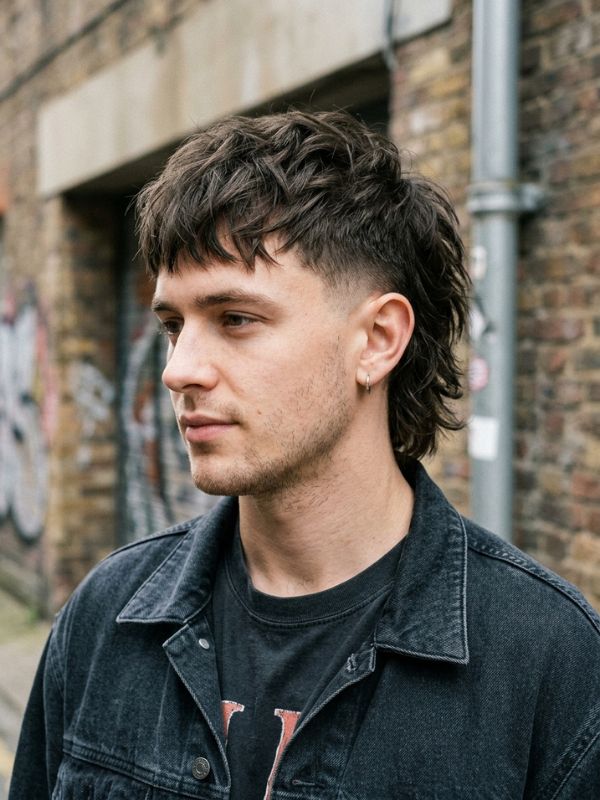
This version keeps the top short to medium and chops it into layers with point-cutting. The back stays modest in length. It looks lived-in on thick or wavy hair and needs only a little paste or clay. Fine, straight hair can pull it off with a texturizing spray for grip.
The curly mullet fade
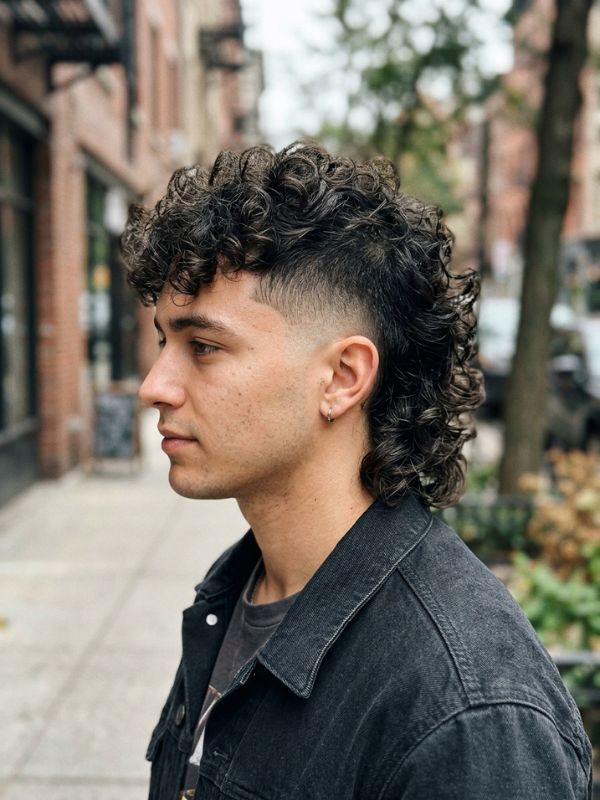
Curls already create volume, so the mullet shape feels natural here. The low taper keeps the sides from ballooning out. Ask your barber to cut curls dry or while they’re defined, so the length and shape are predictable.
The slicked-back business mullet

Here the top is combed back with pomade or a light-hold cream, and the back flows behind the ears. It reads sharp from the front and surprising from the side. It suits offices where polish matters but you still want a distinctive silhouette.
The shaggy surfer mullet

Longer on top with loose, choppy layers, this style leans into movement. Sea salt spray and a quick air-dry do most of the work. It looks best on wavy hair, where the bends provide natural separation.
The wolf cut hybrid
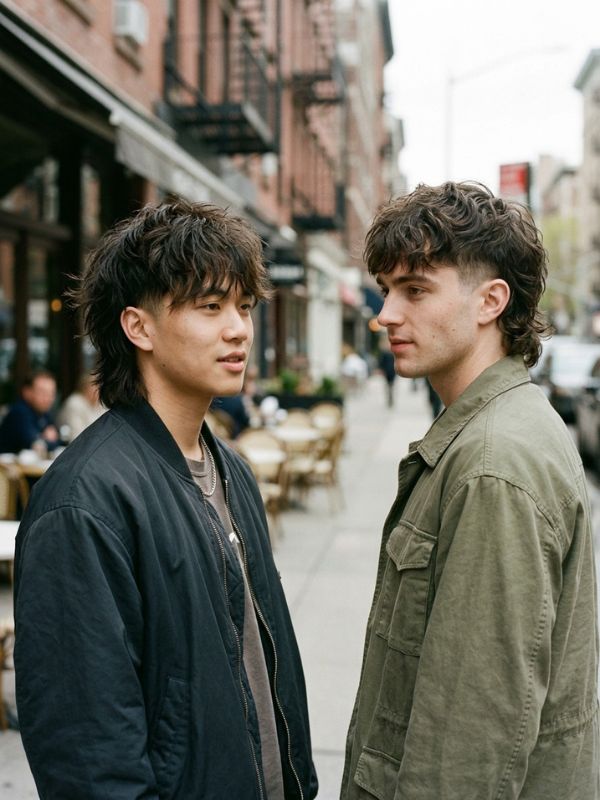
This mixes a low taper with the heavy layering of a wolf cut. Instead of a distinct “shelf” at the back, you get a more continuous, shaggy flow. It works best on medium-to-long hair and suits people who want a trendier, less traditional mullet.
Short vs. long: which length is right for you?
Length changes the whole character of the cut, so decide it before anything else.
| Length | Top | Back | Best for | Trade-off |
| Short | 2–3 in | Just past the nape | First-timers, strict dress codes | Subtle mullet effect |
| Medium | 3–5 in | Collar length | Most people, most hair types | Needs light styling |
| Long | 5 in+ | Shoulder-grazing | Creative, expressive looks | Longer grow-out, more product |
If you’re unsure, go medium. It’s clearly a mullet, easy to trim shorter, and shows you how the shape sits on your head. Hair growth rate also matters. If yours grows slowly, a long version is a long commitment.
Low taper fade mullet for straight, wavy, curly, and thick hair
Hair texture decides how much volume the cut has and how much styling it takes.
| Hair type | Strength | Watch out for | Go-to product |
| Straight | Clean lines, sleek finish | Looking flat or stringy | Texturizing spray, light paste |
| Wavy | Natural movement | Frizz in humidity | Sea salt spray, cream |
| Curly/coily | Built-in volume | Shrinkage after drying | Leave-in conditioner, curl cream |
| Thick | Holds shape well | Bulk at the back | Light pomade, thinning cuts |
| Fine | Soft, airy look | Limp layers | Volumizing mousse, powder |
Straight hair
Straight hair shows every line, so the cut looks crisp. The risk is flatness. Ask for light layering at the back and use a texturizing spray at the roots to build some lift.
Wavy hair
Wavy hair is the easiest match. The layers separate on their own, and the low taper keeps the sides from puffing out. A little sea salt spray is usually enough.
Curly and coily hair
Curls spring up as they dry, so hair looks shorter than it did wet. Tell your barber to leave extra length. Keep the nape area clean with the low taper, and let the crown and back carry the volume.
Thick and fine hair
Thick hair can feel heavy at the back, so ask for thinning or internal layers to remove bulk without losing length. Fine hair needs the opposite: keep length, avoid over-thinning, and use volumizing products for body.
Which face shapes suit a low taper fade mullet best?
Almost any face shape works. You adjust the top volume and back length to balance your natural proportions.
| Face shape | What to aim for | Suggested style |
| Oval | Almost anything works | Any variation |
| Round | Add height, slim the sides | Textured crop, slicked-back |
| Square | Soften the jawline | Shaggy surfer, wolf cut hybrid |
| Oblong | Add width, limit top height | Wolf cut hybrid, shaggy surfer |
| Heart | Add fullness near the jaw | Longer back, side-swept top |
| Diamond | Soften cheekbones, add jaw width | Layered back, moderate top |
A simple rule: balance what’s dominant. If your face is long, avoid piling height on top. If it’s round, keep the sides tight and build upward.
How to ask your barber for the perfect low taper fade mullet
Clear instructions beat a single photo. Use this checklist:
- Name the cut: Say “low taper fade mullet,” not just “mullet.”
- Set the fade start: Ask for the blend to begin low, around the ear and nape.
- Give lengths: Say how much you want on top and at the back, for example “about four inches on top, collar-length in back.”
- Request texture: Ask for feathered or point-cut layers, not a blunt line.
- Mention your hair type: Curly, thin, and thick hair are each cut differently.
- Bring photos: Front, side, and back views, ideally from someone with similar hair.
- Ask about upkeep: Find out how often to return.
Clipper guards help you describe the fade. A rough guide:
| Guard | Approx. length | Typical use in a low taper |
| #1 | 3 mm (⅛ in) | Closest section at the hairline |
| #2 | 6 mm (¼ in) | Lower blend zone |
| #3 | 10 mm (⅜ in) | Mid blend |
| #4 | 13 mm (½ in) | Top of the blend, merging into length |
Barbers vary, and many finish with scissor-over-comb for a smoother transition, so treat these as starting points rather than strict rules.
How to style a low taper fade mullet at home, step by step
- Start with clean hair. Shampoo, condition, and towel-dry until damp.
- Apply a prep product. Use a leave-in for curls, sea salt spray for waves, or mousse for fine hair.
- Rough-dry the roots. Use a blow dryer on medium heat and lift the hair at the crown.
- Shape the top. Push it forward, back, or to the side, depending on your style.
- Add texture. Warm a pea-sized amount of paste, clay, or pomade in your palms and work it through the ends.
- Define the back. Twist or finger-comb the longer sections so the layers stay separated.
- Lock it in. Use a light-hold spray if you want it to last all day.
Use less product than you think you need. The cut should look natural, not stiff.
How often should you trim and maintain it?
The fade needs frequent tidying. The length does not.
| Area | Trim frequency | What to ask for |
| Sides and neckline (fade) | Every 3–4 weeks | Fade refresh, clean-up around ears |
| Top | Every 6–8 weeks | Light layering, shape refresh |
| Back length | Every 8–12 weeks | Dust the ends, remove split ends |
Between visits, wash with a moisturizing shampoo, condition the longer sections, and limit heat styling. If you can stretch to five or six weeks on the fade, the low position makes the blur less obvious than a high fade would.
Low taper fade mullet FAQs
Is a low taper fade mullet professional enough for work?
Usually yes. The sides stay neat and the length at the back is easy to keep subtle.
How long should my hair be before I get one?
About three to four inches on top and a similar length at the back gives your barber enough to shape.
Does it work on thin or fine hair?
Yes, with volumizing products and gentle layering instead of heavy thinning.
Is it good for curly hair?
Yes. Curls add natural volume, and the low taper keeps the sides controlled.
How long does the grow-out phase last?
Expect about six to eight weeks before the back looks intentional.
How often should I get a fade touch-up?
Every three to four weeks keeps the lines crisp.
Can women wear a low taper fade mullet?
Absolutely. The cut adapts to any gender, hair type, and length preference.
What products work best?
Sea salt spray for texture, clay or paste for definition, pomade for slicked looks, and curl cream for curls.
Final takeaway
The low taper fade mullet works because it balances two opposing ideas: clean, controlled sides and a longer, expressive back. It suits many hair types and face shapes, and it adapts to office life, weekends, or creative work without looking forced.
Success comes down to three things: choosing a length you’ll actually maintain, matching the style to your hair texture, and giving your barber clear instructions. Keep the fade fresh, treat the length with care, and this cut will look sharp from every angle.