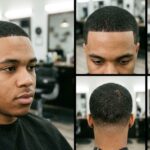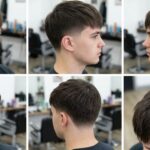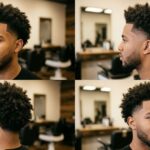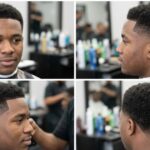
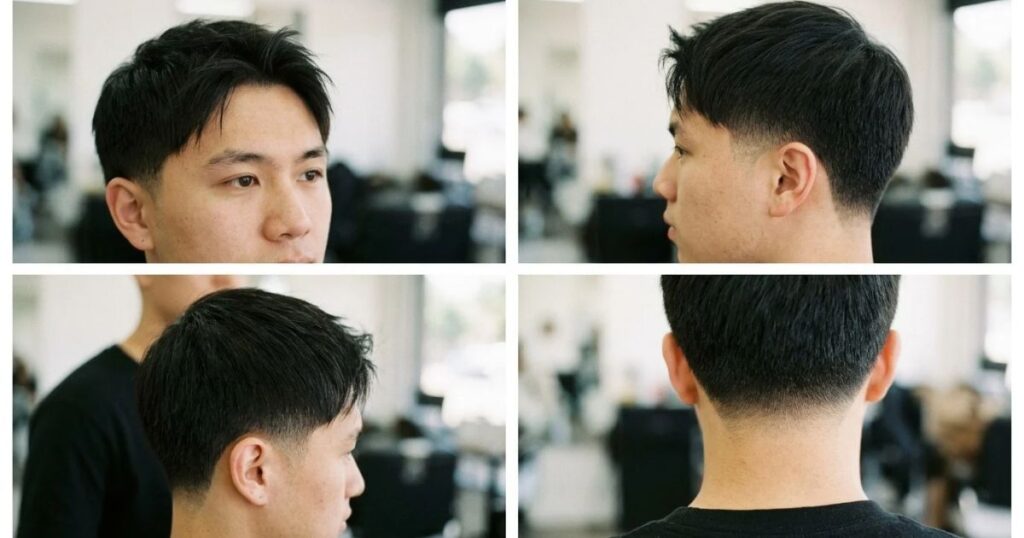
A low taper fade keeps the sides neat, the neckline sharp, and the top fully yours to style. On straight hair, that blend looks especially clean because every change in length shows up clearly. It’s no surprise this cut remains one of the most requested men’s haircuts heading into 2026.
This guide covers what a low taper fade is, how it differs from a low fade, and which top styles work best. You’ll also get barber-ready wording, styling steps, product picks, and upkeep tips, so you can leave the chair with exactly the cut you had in mind, every single time.
What is a low taper fade?
A low taper fade is a clipper-and-comb haircut where the hair gets gradually shorter around the sideburns, the area behind and above the ears, and the nape. The “low” means the blend stays near the hairline instead of climbing toward the temples or crown.
Everything above that zone stays longer. The result is a soft, tidy outline that frames the face without a dramatic jump between the sides and the top.
Quick answer: A low taper fade is a haircut that gradually shortens the hair at the sideburns, ears, and neckline, keeping the sides and top longer for a clean, natural-looking blend.
Key features at a glance
| Feature | What to expect |
| Fade starting point | Low, near the sideburns, ear line, and nape |
| Shortest length | Skin, or a short guard such as a #0.5 or #1 |
| Sides and back | Stay longer above the blend zone |
| Contrast with the top | Soft and subtle |
| Neckline | Tapered, rounded, or squared off |
| Best for | Office, school, casual, and first-time fades |
Why straight hair suits this cut
Straight strands lie flat and evenly. That means the gradient from long to short is easy to see, so a well-blended taper looks crisp from every angle. There is no wave or curl to soften the transition, which makes straight hair a great canvas for precise barbering.
Here is why the pairing works so well:
- Clean blend: Each step in length reads clearly, so good work stands out.
- Easy styling: Straight hair dries fast and responds predictably to most products.
- Flexible top: You can wear it brushed back, side parted, pushed forward, or textured.
- Understated finish: A low blend looks polished rather than harsh.
One thing to watch: The same clarity shows mistakes, too. A patchy or uneven blend is harder to hide on straight hair, so pick a barber who is confident with clipper work.
Fine straight hair can also sit flat on top. If that sounds familiar, ask for light texturizing and use a volumizing product to add lift.
Low taper fade vs low fade vs taper
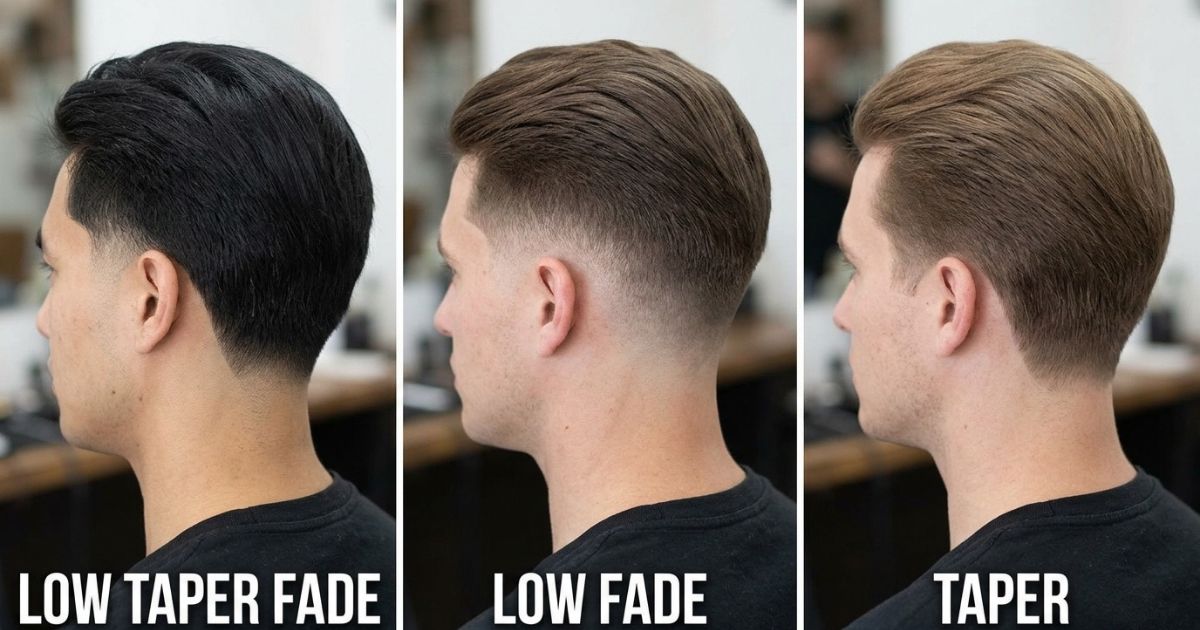
These three terms overlap, which is why they cause so much confusion in the barber’s chair. The main differences come down to how short the hair gets and how much of the side is blended.
| Classic taper | Low fade | Low taper fade | |
| Shortest length | Short, but not skin | Often down to skin | Skin or very short guard |
| Blend area | Sideburns and neckline only | Slightly larger, curves around the ear | Compact, close to the ear and nape |
| Contrast | Very soft | Bolder | Soft to medium |
| Typical tools | Clippers and scissors | Clippers and guards | Clippers, guards, and comb |
| Upkeep | Easiest | Needs frequent refreshes | Moderate |
| Best for | Strict dress codes | Sharp, modern looks | A balance of both |
In simple terms: a taper is the most conservative, a low fade is the sharpest, and a low taper fade sits in between. If you want to keep some natural length on the sides, the taper side of the spectrum is the safer choice.
Read More:Low Taper Fade Blowout: A Complete Guide for Men
Best top styles for straight hair in 2026
The sides stay clean, so the top does the talking. These styles work especially well with straight hair.
| Top style | Look and feel | Typical length | Best product |
| Textured fringe | Choppy, forward, relaxed | 2–4 in. | Matte clay |
| Side part | Neat and professional | 2–4 in. | Water-based pomade |
| Middle part | Loose and casual | 4 in. and up | Sea salt spray or cream |
| Quiff / brush-up | Height at the front | 3–5 in. | Clay plus texture powder |
| Classic slick back | Smooth and sleek | 3–5 in. | Light pomade |
| Short crop | Low effort, forward-styled | 1–2 in. | Light paste |
Textured fringe
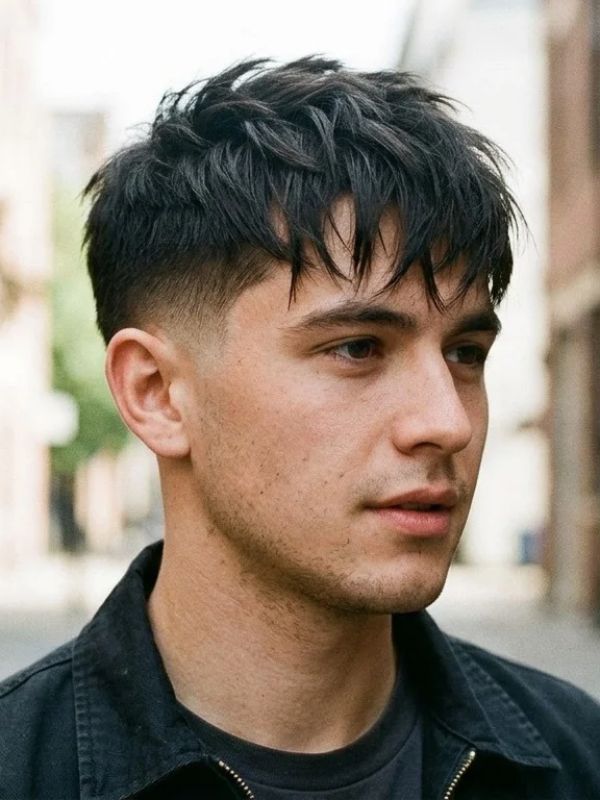
This is the go-to modern option. The front is cut slightly longer and broken up with clay so the pieces separate. It suits straight hair well because the choppy ends add movement that the texture lacks on its own.
Side part
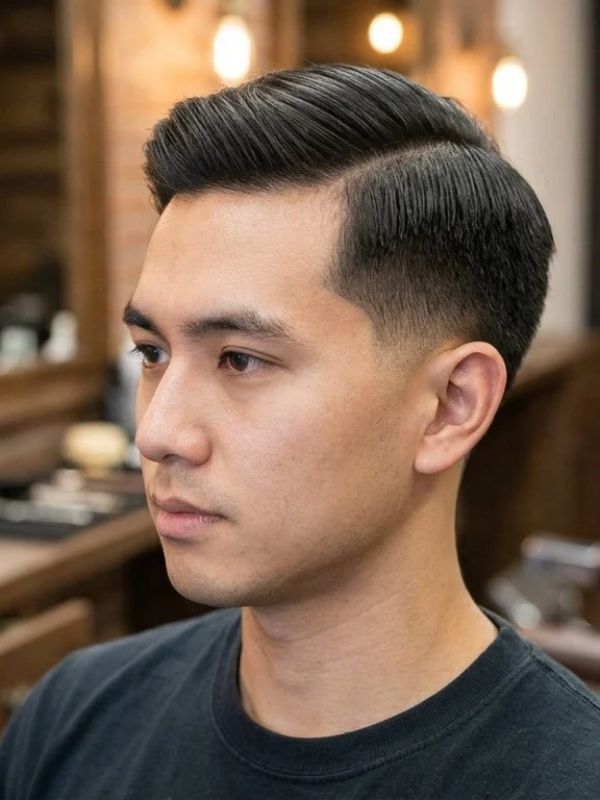
Straight hair holds a part cleanly, so this one looks sharp with little effort. It is a safe pick for interviews, offices, and formal events.
Middle part

A centre part with medium length falls softly on both sides. It works best when the hair is thick enough to hold its shape without flopping.
Quiff or brush-up
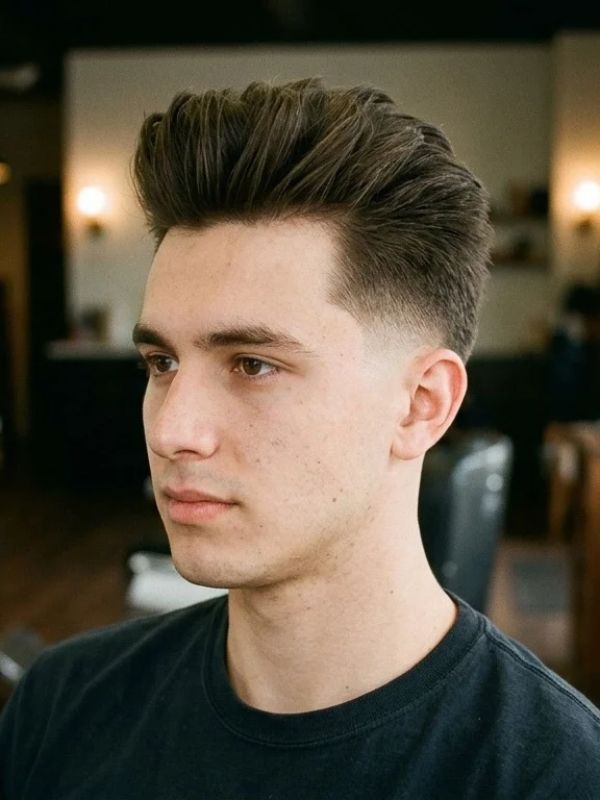
Brushing the front up and back adds height, which balances rounder faces. It needs enough density to stay lifted.
Short crop
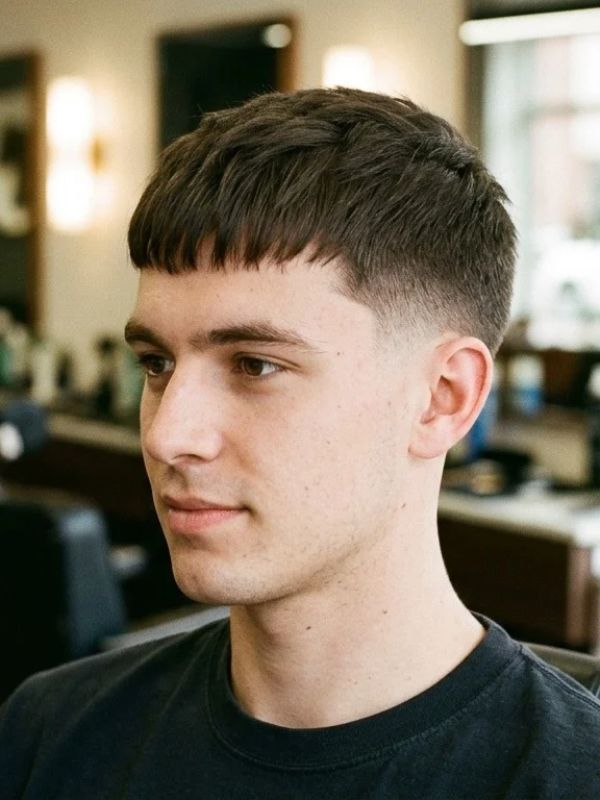
The easiest option on busy mornings. Style it forward with a bit of matte paste and you are done.
Best face shapes and hair types
The low taper is forgiving, but a few tweaks make it fit better.
| Face shape | What works | What to skip |
| Oval | Almost any top style | Nothing in particular |
| Round | Height on top, such as a quiff | Flat, wide tops |
| Square | Soft textured fringe or loose side part | Boxy, blunt tops |
| Long | Moderate length with some width | Extra height |
| Heart | Side-swept fringe | Very tight sides with a heavy top |
| Diamond | Fringe or textured top to soften the cheekbones | Slicked-back flat styles |
Hair density and thickness
| Hair type | How it behaves | Barber tip |
| Fine and thin | Sits flat, shows the scalp easily | Keep some length, ask for texture, use powder |
| Medium | Easiest to style | Most options work |
| Thick and dense | Bulks out at the sides | Ask for thinning and a clean taper to reduce bulk |
If you have a receding hairline or thinning at the temples, a low taper keeps more hair on the sides and can look more natural than a high fade. Cowlicks at the front are another thing to flag early, since they affect how a fringe or part falls.
How to ask your barber for a clean low taper fade
Good communication is half the haircut. Follow these steps:
- Name the cut. Say “low taper fade” and point to where you want the blend to start, around the ears and neckline.
- State the shortest length. Skin, a #0.5, or a #1 guard. If unsure, ask them to start longer and go shorter.
- Give the top length in inches. “About three inches on top” beats “just a trim.”
- Mention your hair type. Say it is straight, and flag if it is fine, thick, or flat.
- Choose a neckline. Tapered, rounded, or squared.
- Bring a reference photo. Ideally from the front, side, and back.
Sample script: “I’d like a low taper fade, blended low around the ears and neckline, shortest at a number one. Keep about three inches on top with some texture, and a tapered neckline. My hair is straight and tends to sit flat.”
Common clipper guard sizes
| Guard | Approx. length left |
| #0.5 | 1.5 mm |
| #1 | 3 mm |
| #2 | 6 mm |
| #3 | 10 mm |
| #4 | 13 mm |
Sizes vary slightly by brand, so treat these as a guide and let your barber adjust.
Short, medium, and long variations
| Length | Top measurement | Best for | Styling time |
| Short | Up to about 2 in. | Schools, strict offices, quick routines | 1–2 minutes |
| Medium | About 2–4 in. | Most people and most settings | 3–5 minutes |
| Long | 4 in. and up | Creative or relaxed settings | 5–10 minutes |
Short
This is the fastest and cleanest version. There is less room for styling, but the cut stays neat all day.
Medium
The sweet spot for most. You can switch between a side part, fringe, or quiff depending on your mood.
Long
Longer tops can be swept back, parted in the middle, or worn loose. They need more product and a regular trim to avoid looking heavy.
How to style it
Straight hair is easy to work with, but a few steps make the difference between neat and flat.
- Start with damp hair. Towel dry until it stops dripping. Soaking wet hair is hard to control.
- Blow dry for lift. Use medium heat and lift the roots with your fingers or a round brush. Keep the dryer moving.
- Warm the product. Rub a pea-sized amount between your palms until it is evenly spread.
- Apply from back to front. Work it through the roots first, then the lengths, then the ends.
- Shape it. Use fingers for a messy look, or a comb for a side part.
- Set it. A light spritz of sea salt spray or a cool blast from the dryer helps hold the shape.
Pro tip: Start with less product than you think you need. You can always add more, but removing it means re-washing.
Best products for straight hair
The right product adds texture and hold without weighing the hair down.
| Product | Finish | Hold | Best for |
| Matte clay | Natural, no shine | Medium to strong | Textured fringe, quiffs |
| Texture powder | Dry and light | Light | Fine, flat hair needing volume |
| Sea salt spray | Beachy, tousled | Light | Medium to long tops |
| Water-based pomade | Low to medium shine | Medium | Side parts and slick backs |
| Styling cream | Soft, natural | Light | Thick or dry hair |
| Light paste | Matte to satin | Medium | Short crops |
Avoid: heavy waxes and oil-based pomades on fine hair. They tend to flatten straight strands and leave them looking greasy by midday.
How to maintain it at home
A low taper fade looks best when it is fresh. A few habits help it last.
| Task | How often | Notes |
| Barber visit | Every 3–4 weeks | The blend around the ears and nape grows out first |
| Shampoo | Every 2–3 days | Daily washing can strip natural oils |
| Clarifying shampoo | Once a week | Removes product buildup |
| Neckline tidy | Between visits, if needed | Trim only the neckline |
| Conditioner | After washing | Apply to mid-lengths and ends, not the roots |
Home care rules
- Do not try to re-blend the fade yourself. It takes steady guard changes and technique. Home attempts often cause uneven patches.
- Brush or comb daily to spread natural oils and keep the shape neat.
- Protect the scalp. Skin around the fade is exposed, so use sunscreen on sunny days.
- Use a soft towel. Rough rubbing can frizz and lift the fine hairs along the nape.
Common mistakes to avoid
| Mistake | Why it hurts | Better move |
| Fade starts too high | Turns a low taper into a mid fade | Point to the spot on your head and say “low” |
| Vague top length | Leads to a cut that is shorter than expected | Give a number in inches |
| Leaving the top flat | Straight hair lies down by nature | Ask for texture or point cutting |
| Too much product | Looks greasy and heavy | Start with a pea-sized amount |
| Wrong style for your face | Can exaggerate length or width | Match the top to your face shape |
| Waiting too long between cuts | The blend grows out and loses shape | Book your next visit before leaving |
| No reference photo | Leaves room for misunderstanding | Bring photos from several angles |
Conclusion
The low taper fade works for straight hair because it pairs a soft, gradual blend with a top you can shape many ways. It looks polished at school, at the office, and on weekends, without demanding much time each morning. Straight strands show every detail, so a clean cut really pays off.
Choose a top style that suits your face shape, bring a reference photo, and describe the length you want. Book a refresh every three to four weeks, and keep your products light. Do that, and your low taper fade will look sharp from the first day to the last.
FAQ’S
Is a low taper fade good for straight hair?
Yes. Straight hair shows the gradual blend clearly, so the cut looks clean and defined.
How often should I get a low taper fade refreshed?
Every three to four weeks is ideal. The area around the ears and neckline grows out first.
What should I tell my barber to get a low taper fade?
Ask for a low taper fade blended around the ears and neckline, then give your shortest length and top length. A reference photo helps.
Is a low taper fade the same as a low fade?
No. A low taper fade is softer and more compact, while a low fade is bolder and often goes down to the skin.
Can fine straight hair pull off a low taper fade?
Yes. Keep some length on top, ask for texture, and use a light product like texture powder for lift.
What is the best top style for a low taper fade on straight hair?
A textured fringe or side part is the most popular. The best choice depends on your face shape and hair density.
How long should the top be for a low taper fade?
Most people keep two to four inches on top. Shorter suits strict dress codes, and longer allows more styling.
What product is best for a low taper fade on straight hair?
Matte clay is the most versatile. Fine hair does well with texture powder or sea salt spray.