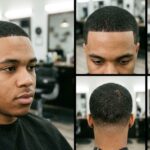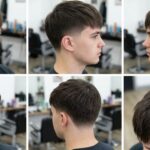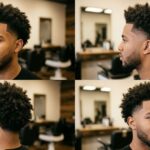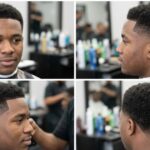
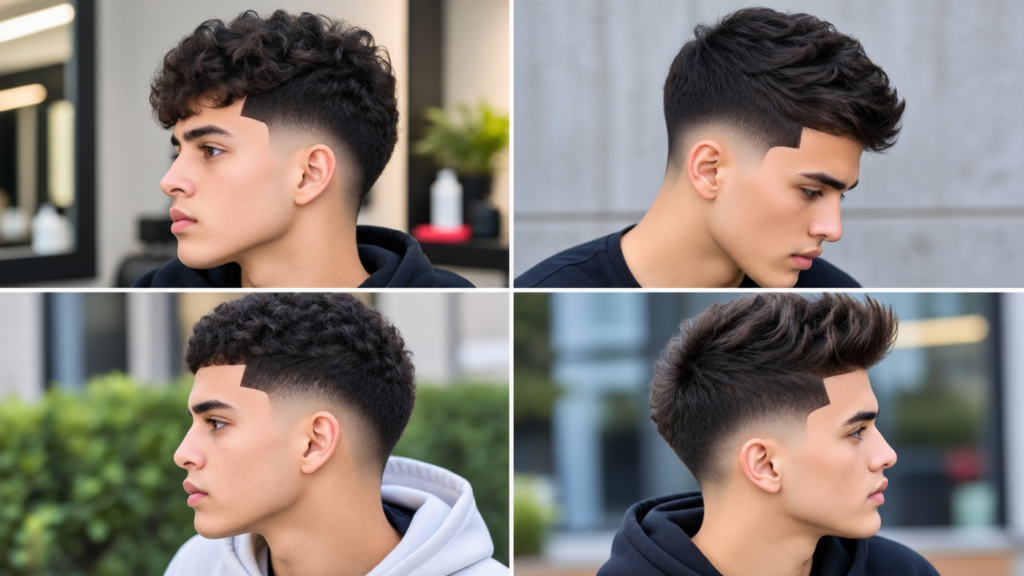
Low Taper Fade Hairstyle for Men A good haircut does more than simply make your hair look neat. It can change the way your entire appearance comes together. For many men, the challenge is finding a hairstyle that looks modern without becoming too complicated or difficult to maintain. That is one reason the low taper fade has become such a popular choice.
The low taper fade is clean around the ears and neckline, but it does not take the sides as high or as short as many traditional fades. The result is a more natural transition that works with a wide variety of hairstyles on top. You can wear it with short textured hair, a quiff, curls, waves, a side part, or even a modern mullet.
What makes this haircut particularly appealing is its flexibility. It can look polished enough for an office, relaxed enough for everyday wear, and stylish enough for a special occasion. With a few adjustments, the same basic haircut can also be made to suit different hair textures and face shapes.
What Is a Low Taper Fade?
A low taper fade gradually shortens the hair around the lower part of the sides and back of the head. The taper usually begins around the sideburns and continues down toward the neckline.
The important detail is where the transition begins. With a low taper, the shorter section stays relatively low instead of extending high up the sides of the head. This leaves more of the natural hair visible above the taper.
A barber creates the transition by blending different lengths together. The shortest section is usually found around the ears and neckline, while the hair becomes progressively longer as it moves upward.
The final appearance can range from very subtle to more defined, depending on how short the barber cuts the lower section.
Because there is more hair left around the sides than with a high fade, a low taper can feel less dramatic. It is a good choice for someone who wants a clean haircut but does not necessarily want a strong contrast.
Why Men Like the Low Taper Fade
There are plenty of reasons this haircut continues to attract attention.
First, it is easy to customize. The taper itself is relatively simple, but the hair on top can completely change the character of the haircut.
A short textured crop gives it a youthful and casual appearance. A side part makes it look more traditional. A quiff adds volume, while curls or waves give it a more relaxed finish.
Another advantage is that the low taper does not require you to completely commit to extremely short sides. If you like having some length around the sides of your head, this can be a comfortable middle ground.
It also grows out relatively naturally. As the hair becomes longer, the transition can remain less noticeable than a very sharp, high-contrast fade.
Low Taper Fade vs. Low Fade
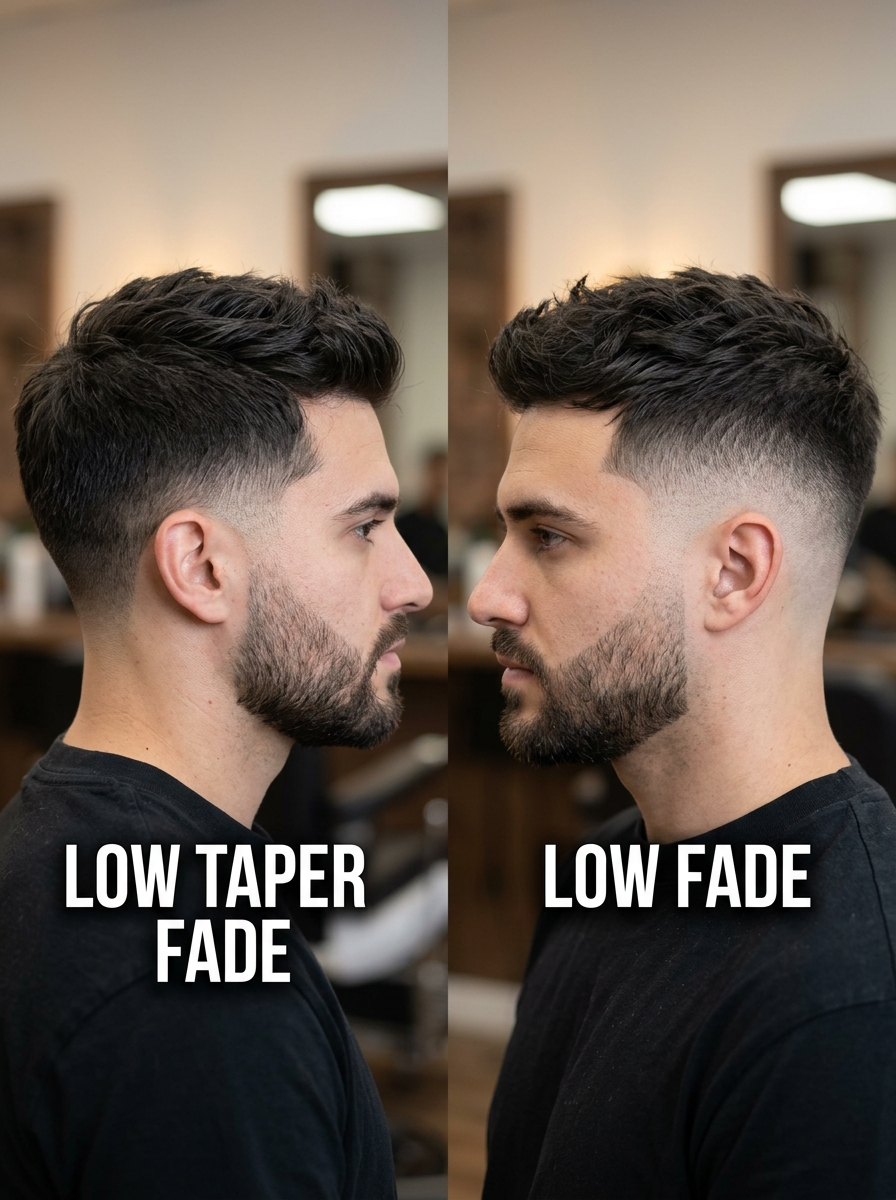
The terms “low taper” and “low fade” are sometimes used as though they mean exactly the same thing, but there can be a difference.
A low taper generally focuses on the sideburns and neckline. The transition is kept concentrated around these areas, while more of the hair remains on the sides.
A low fade usually creates a broader faded area. The sides can become much shorter before gradually transitioning into the longer hair above.
The difference is not always dramatic, and individual barbers may interpret the terms slightly differently. If you have a particular look in mind, showing a reference photo is often more useful than relying only on the haircut’s name.
Low Taper Fade vs. Mid Fade
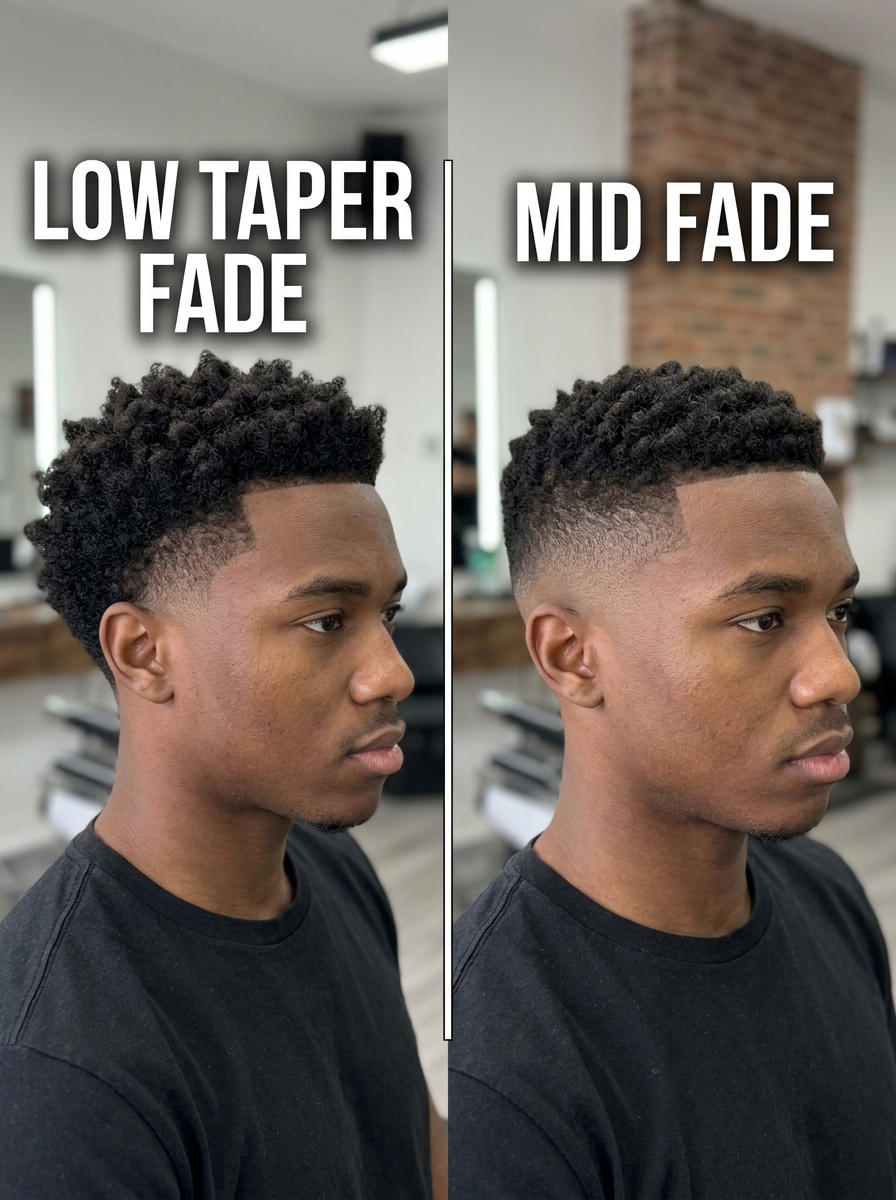
A mid fade starts higher on the sides, usually around the middle of the head. Because the fade reaches farther upward, it creates more contrast.
The low taper stays closer to the ears and neckline. This makes it a better option for people who prefer a softer transition.
Neither style is universally suitable for everyone. Your choice can depend on how much contrast you want, how much hair you want to keep on the sides, and how you normally style the top.
Low Taper Fade With a Textured Crop
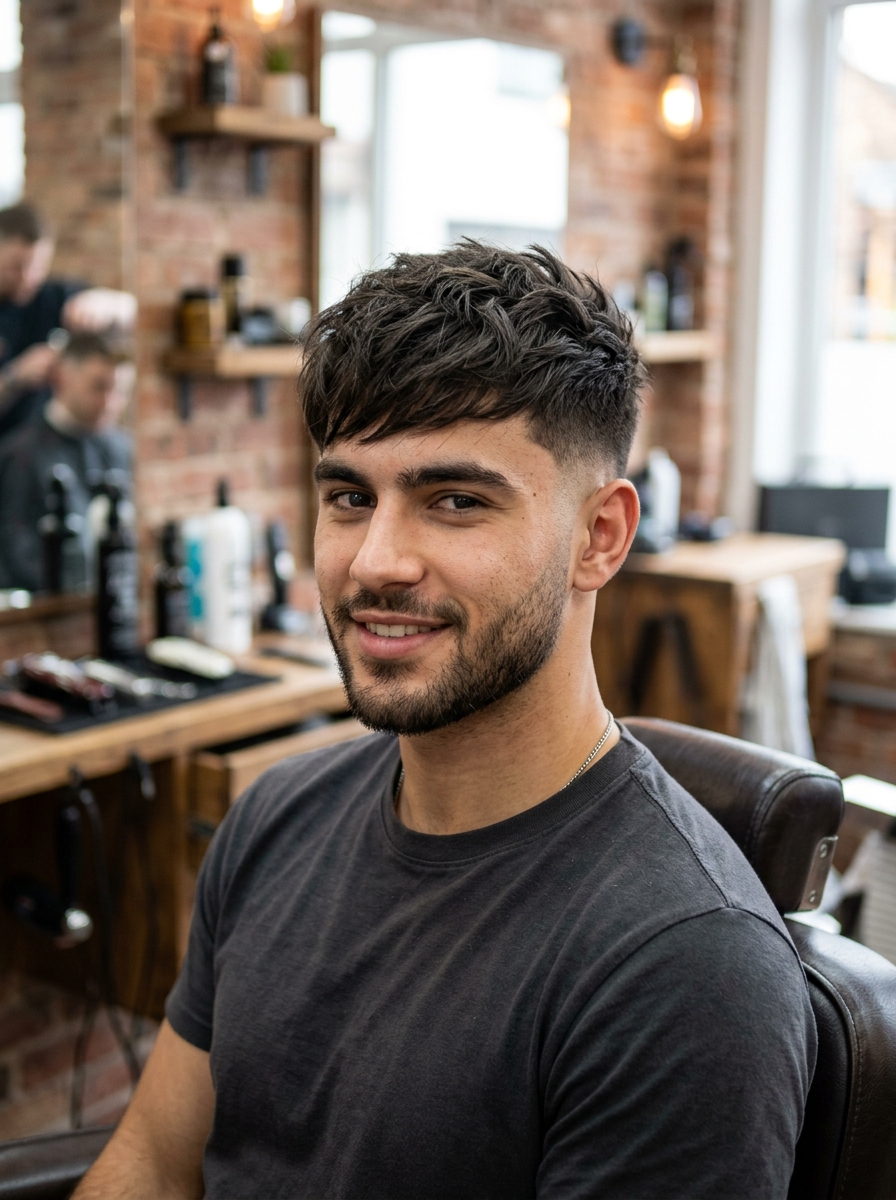
One of the easiest ways to create a modern hairstyle is to combine a low taper with a textured crop.
The hair on top is cut with enough variation in length to create movement. Instead of lying completely flat, the hair has a slightly messy and separated appearance.
This style works particularly well for straight and slightly wavy hair. It can also be adapted for thicker hair by removing some weight and creating additional texture.
The styling routine is simple. After washing your hair, allow it to become slightly damp and apply a small amount of matte styling clay or texture paste. Work the product through the top using your fingertips.
You do not need to make every strand sit perfectly. The appeal of the textured crop comes from its natural movement.
Low Taper Fade With a Quiff
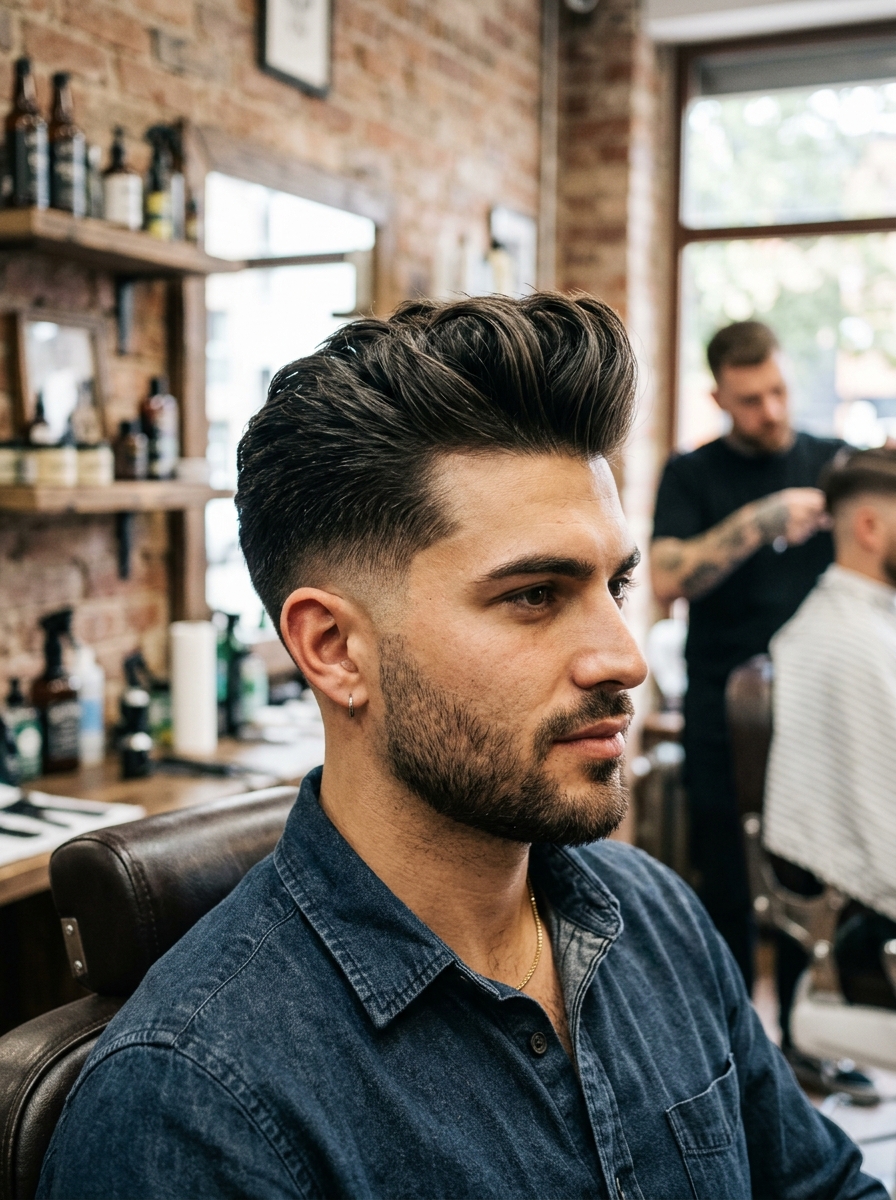
If you prefer more volume, the quiff is an excellent option.
A quiff keeps the front section longer so it can be lifted upward and slightly backward. The low taper keeps the sides and neckline neat while the top provides the main visual focus.
For a good quiff, styling technique matters almost as much as the haircut itself.
Start with damp hair and use a blow dryer while lifting the front with your fingers or a brush. Once the hair has enough volume, apply a small amount of styling clay or pomade.
You can make the quiff polished or relaxed depending on the amount of product you use.
A matte finish generally gives the hairstyle a more modern appearance, while a shinier product can create a more traditional finish.
Low Taper Fade With Curly Hair
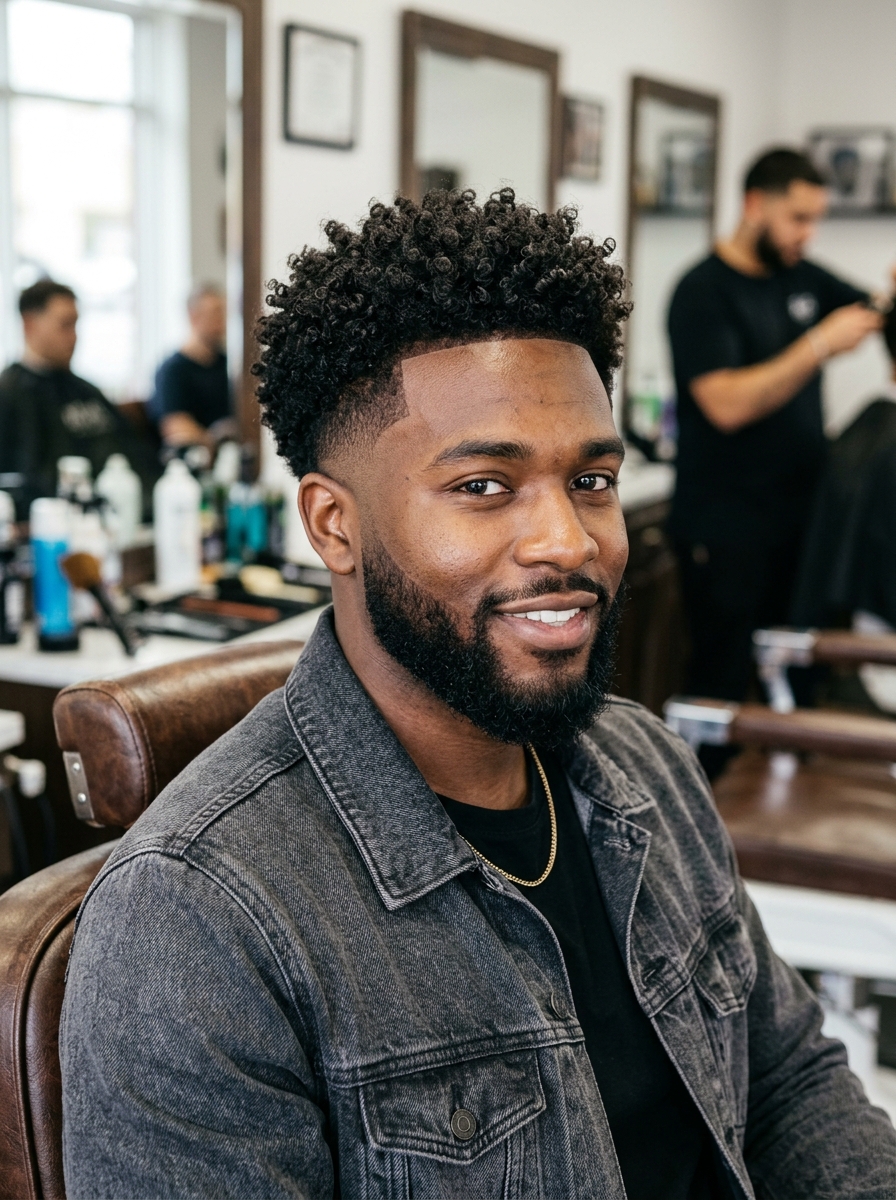
Curly hair can make a low taper particularly interesting because the clean edges contrast with the natural texture on top.
The most important thing is to preserve enough length for the curls to maintain their shape. Cutting the curly section too short can remove much of the texture that makes the hairstyle attractive.
A barber can clean up the area around the ears and neckline while leaving the curls relatively full.
After washing, gently remove excess water rather than aggressively rubbing the hair. Apply a curl cream or lightweight styling product and allow the curls to form naturally.
For men with tighter curls, a product designed specifically for curl definition may help reduce frizz and improve the overall shape.
Low Taper Fade for Wavy Hair
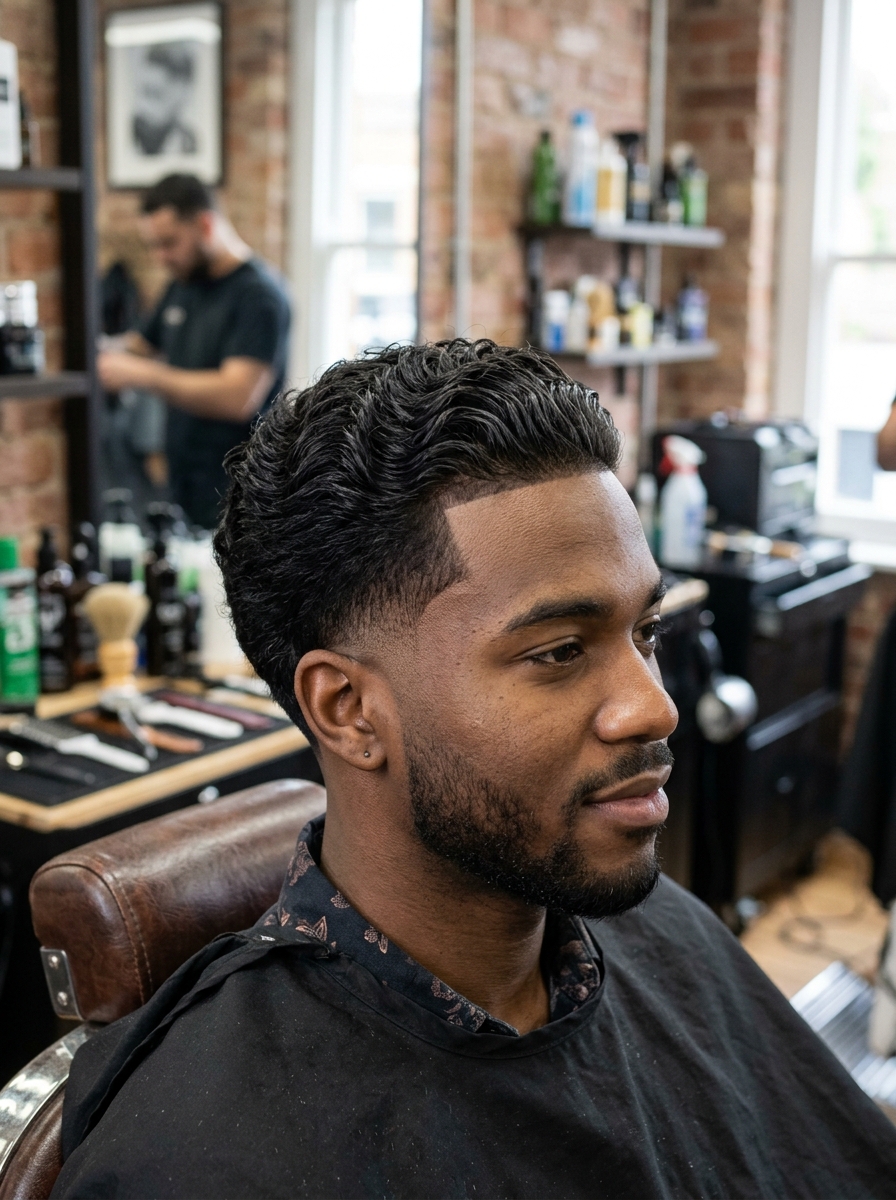
Wavy hair naturally provides texture, which means you do not need to create all of the movement with styling products.
A low taper can clean up the edges while allowing the waves to remain the main feature.
You can wear the top forward, push it back, or let it fall naturally toward one side.
For an effortless appearance, use a small amount of styling cream. If you want more texture, a light texturizing spray can enhance the natural waves.
The goal is to support your natural hair rather than completely change its texture.
Low Taper Fade With a Modern Mullet
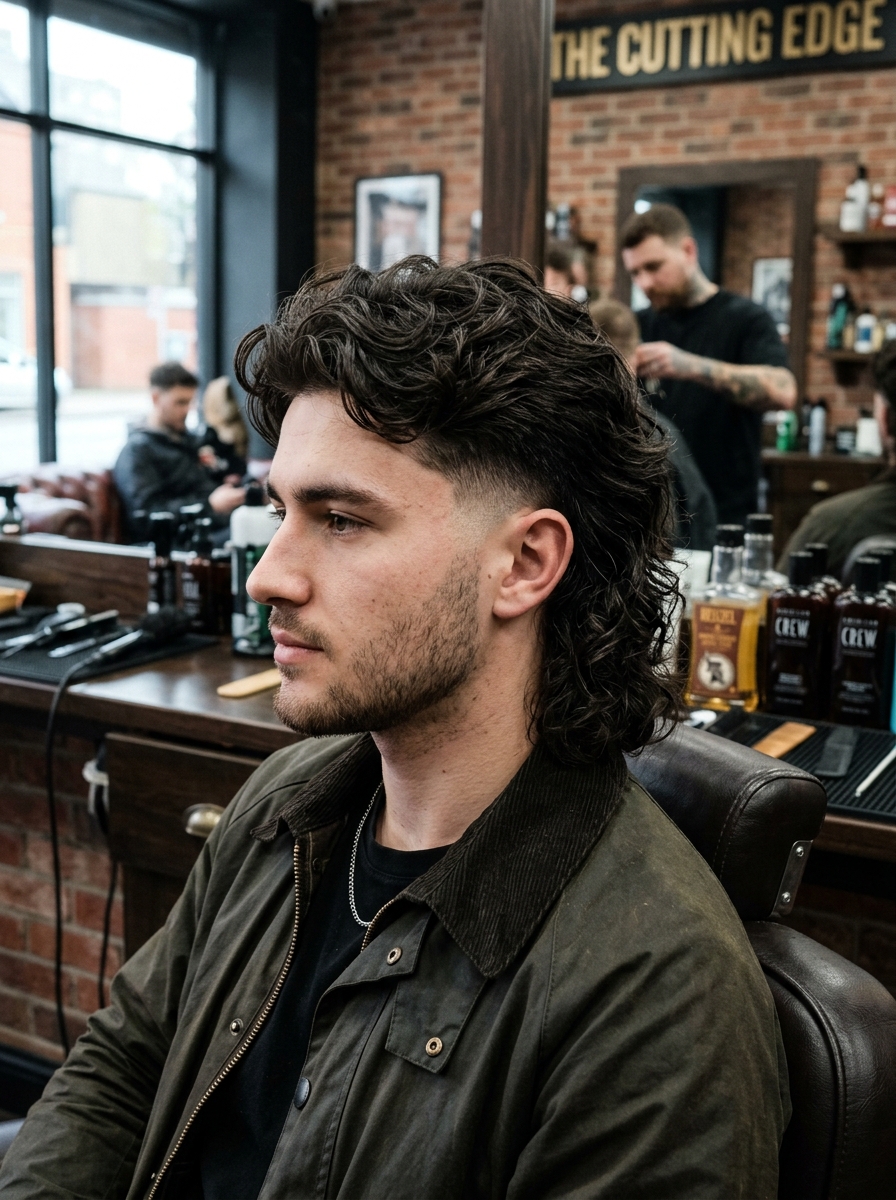
The modern mullet has made a noticeable return, but today’s versions are usually more blended and wearable than older interpretations.
A low taper can make the style feel cleaner by keeping the area around the ears and neckline controlled while allowing additional length toward the back.
The top can be textured and slightly messy, while the back remains longer.
This version of the mullet can work especially well with wavy or curly hair because natural texture adds movement to the longer sections.
If you are considering this style, discuss the amount of length you want to keep in the back with your barber. A small difference in length can significantly change the overall appearance.
Low Taper Fade With a Side Part
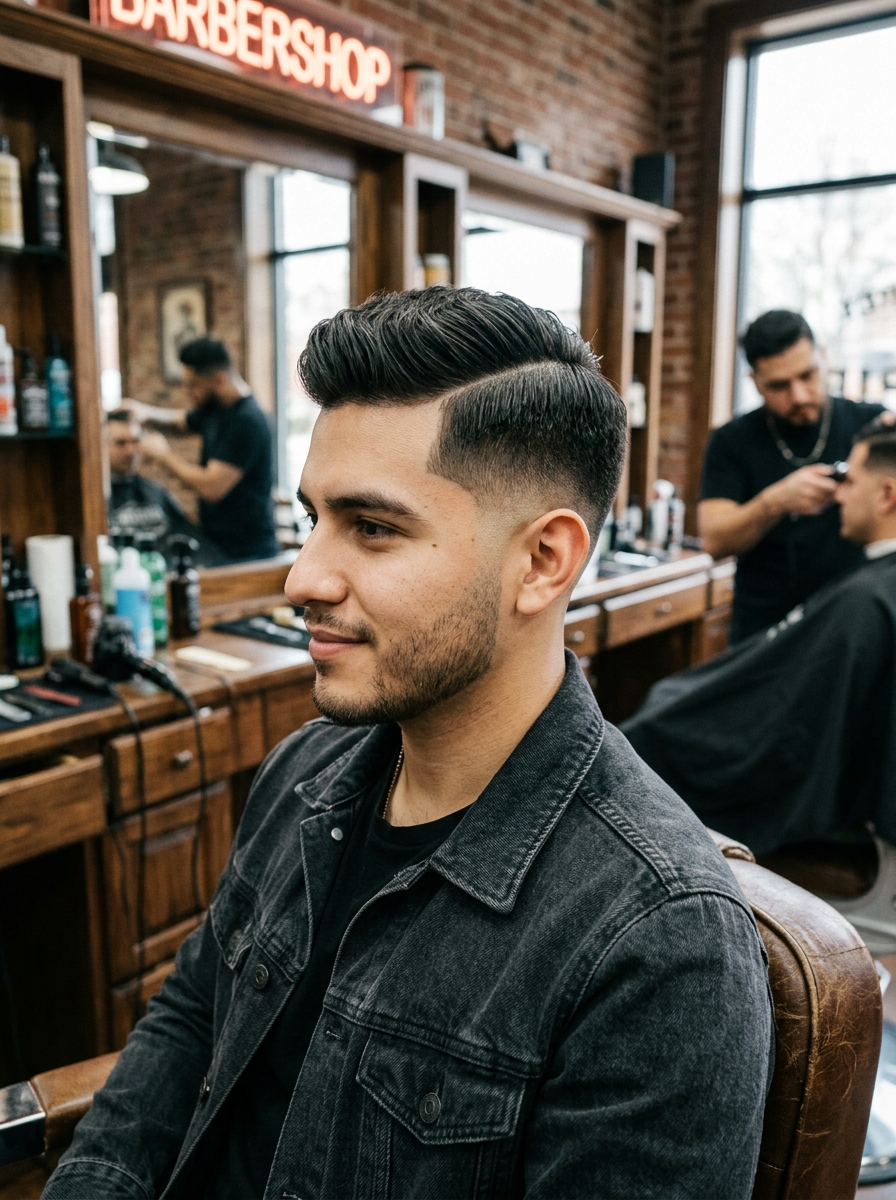
The side part is one of those hairstyles that never really disappears. It can be adapted to modern haircuts without losing its classic character.
With a low taper, the side part gets a cleaner outline while the top remains long enough to create a defined parting.
For a traditional look, comb the hair neatly and use a small amount of pomade. For something more relaxed, use a matte styling product and let some natural texture remain visible.
This combination can be suitable for work, formal occasions, dinners, and everyday situations.
Low Taper Fade With a Slick Back
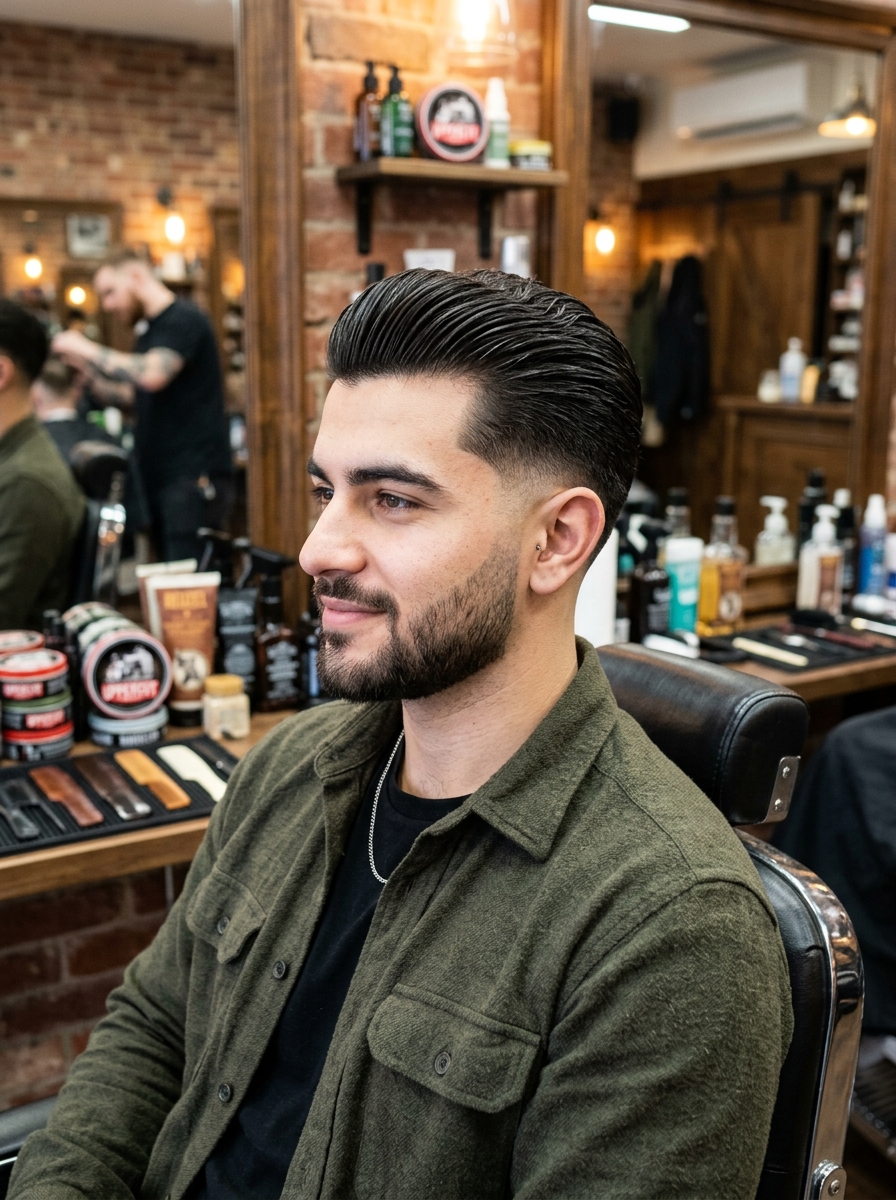
If your hair is medium length or longer, a slick-back can create a sophisticated appearance.
The hair is brushed away from the forehead and directed toward the back. The low taper keeps the lower sections clean without creating an extremely short appearance around the entire head.
A slick-back can be worn with either a shiny or matte finish.
If your hair is naturally thick, a blow dryer can help direct it backward before you apply styling product. This can make the hairstyle easier to control throughout the day.
Is a Low Taper Fade Good for Straight Hair?
Straight hair is one of the easiest textures to adapt to a low taper fade.
You can keep the top short and textured or leave it longer for a quiff, side part, or slick-back.
Because straight hair tends to show the shape of the haircut clearly, it is important that the top and sides are blended properly.
If your hair is very fine, avoid using too much heavy product. Lightweight products can help maintain movement without making the hair appear flat.
Read More:Low Fade Haircuts for Black Men: Styles, Tips and Ideas 2026
Is a Low Taper Fade Good for Thick Hair?
Thick hair can look excellent with a low taper because the shorter lower sections provide some structure while the top retains its natural volume.
If your hair feels too heavy, your barber can use layering or texturizing techniques to reduce some of the bulk.
Do not automatically assume that removing a large amount of hair is the best solution. The right amount of weight depends on the hairstyle you want to create.
For example, a textured crop may benefit from significant texture, while a quiff may need enough density to maintain its shape.
Is a Low Taper Fade Good for Thin Hair?
A low taper can also work well with thinner hair.
Keeping the lower sections neat can create a cleaner overall silhouette, while the top can be styled with texture to create the appearance of additional fullness.
Shorter textured hairstyles can be particularly useful because they do not require the hair to be extremely long to look intentional.
If your hair is fine, ask your barber to avoid creating unnecessary contrast between the sides and top. A balanced haircut can often look more natural.
Choosing a Low Taper Based on Face Shape
Face shape can be useful when deciding how to style the hair on top.
Oval Face
An oval face generally provides plenty of flexibility. You can experiment with crops, quiffs, side parts, curls, and medium-length styles.
Round Face
If your face is relatively round, adding some height or texture to the top can create more visual length.
A textured quiff or a hairstyle with moderate volume can work well.
Square Face
A square face often has a strong jawline and defined angles. A low taper combined with a short textured top can complement those natural features.
Long Face
If your face is already long, you may want to avoid excessive height at the top. A balanced style with moderate volume can help maintain proportion.
Heart-Shaped Face
A heart-shaped face is often wider around the forehead and narrower toward the chin. Medium-length texture can help create a balanced appearance.
These guidelines are not strict rules. Your hair texture and personal preference should always be part of the decision.
How to Tell Your Barber What You Want
One of the easiest ways to avoid disappointment is to communicate clearly.
Instead of simply saying, “Give me a low taper,” explain the details you care about.
Tell your barber:
- How much length you want to keep on top.
- Whether you want the taper subtle or noticeable.
- How short you want the area around your ears.
- How you want the neckline finished.
- Whether you want texture on top.
- Whether you plan to style the hair forward, backward, or to the side.
Most importantly, bring a reference image.
A picture gives your barber a much clearer idea of the shape, length, and finish you have in mind.
How to Style a Low Taper Fade at Home
The styling process depends on the top portion of your haircut, but the basic routine is straightforward.
Start with clean, towel-dried hair. Apply a small amount of styling product to your fingertips and distribute it evenly through the top.
If you want volume, use a blow dryer while directing the hair into your desired shape.
Once the hair is dry, use your fingers to make small adjustments.
For a natural textured look, avoid repeatedly combing the hair. For a neat side part, use a comb to create a sharper finish.
The biggest mistake is using too much product. Start with a small amount and add more only if needed.
Best Hair Products for a Low Taper
There is no single product that works for every version of the haircut.
Matte Clay
Matte clay is useful for textured styles and hairstyles that need a natural finish.
Pomade
Pomade works well for slick-backs, side parts, and polished hairstyles. Depending on the formula, it can provide anything from a natural finish to noticeable shine.
Styling Cream
A styling cream is a good choice when you want light control without making the hair feel stiff.
Curl Cream
Men with curly hair can use curl cream to define natural curls and reduce frizz.
Texture Spray
A lightweight texture spray can enhance natural movement, particularly in wavy or fine hair.
The right product depends on the hairstyle, hair thickness, and finish you want.
How Often Should You Get a Low Taper Fade?
There is no universal schedule because everyone’s hair grows at a different rate.
If you like a very sharp and freshly cut appearance, you may want to visit your barber more frequently.
If you prefer a natural look, you can allow more time between appointments.
The low taper has an advantage here because its transition is subtle. As the hair grows, it can still look reasonably natural instead of immediately appearing disconnected.
How to Maintain the Haircut Between Barber Visits
You do not need to completely redo the haircut every time you notice some growth.
Keep the hair clean and use the appropriate conditioner for your hair type.
If the neckline becomes untidy, a barber can clean it up without necessarily changing the entire haircut.
Avoid trying to recreate the taper yourself unless you have experience with clippers. A small mistake around the ears or neckline can change the shape of the haircut.
Common Mistakes With a Low Taper Fade
A low taper looks simple, but small details matter.
One common mistake is asking for a taper without explaining how subtle you want it to be. Another is choosing a reference image that has a completely different hair texture.
For example, a hairstyle photographed on thick, wavy hair may not look identical on fine, straight hair.
Another mistake is using too much styling product. Heavy application can make a carefully textured haircut look flat.
Finally, do not ignore maintenance. Even a great haircut can lose its shape when the hair becomes overgrown.
Can a Low Taper Fade Be Professional?
Yes. One of the strongest features of this haircut is its ability to adapt to different environments.
For a professional setting, keep the taper subtle and choose a neat hairstyle on top. A side part, short textured crop, or controlled quiff can create a polished appearance.
If your workplace has strict grooming standards, you may want to avoid highly exaggerated designs or extremely long sections.
The haircut itself is flexible enough to be adjusted according to your environment.
Can a Low Taper Fade Look Casual?
Absolutely.
For a casual style, you can leave more texture on top and use less product.
Messy hair, natural waves, curls, and textured crops can all work with a low taper.
The contrast between clean edges and relaxed texture is what gives many modern versions of the haircut their character.
Low Taper Fade Hairstyle Men for Younger
Younger men often choose the low taper because it can be styled in many different ways.
A textured crop can create a casual appearance, while a quiff or side part can look more polished.
The style can also grow with you. As you become more comfortable with your appearance, you can change the top without completely changing the taper.
Low Taper Fade for Older Men
The haircut is not limited to younger men.
Older men can choose a subtle low taper with a classic side part, short textured top, or neatly styled hair.
A natural taper can provide a clean outline without making the haircut look overly trendy.
If your hair has started becoming thinner or grayer, your barber can adjust the length and texture to complement its current condition.
Why the Low Taper Is So Versatile
The real strength of the low taper is not one particular version of the haircut. It is the number of ways it can be customized.
You can keep the top very short or relatively long. You can wear the hair forward, backward, upward, or toward one side.
You can choose a matte finish, a natural finish, or a more polished appearance.
The taper itself stays relatively subtle, allowing the top to become the main expression of your personal style.
That makes it easier to change your look without completely changing the basic haircut.
Final Thoughts
The low taper fade is a modern haircut with a surprisingly wide range of possibilities. Its subtle transition around the ears and neckline creates a clean foundation while leaving enough hair to experiment with different styles on top.
Whether you have straight, wavy, curly, thick, or fine hair, the haircut can be adjusted to work with your natural texture. You can pair it with a textured crop for a relaxed look, a quiff for additional volume, a side part for a classic appearance, or a modern mullet for something more distinctive.
The key is not simply asking for a low taper. Think about how you want the entire haircut to look. Consider the length on top, the amount of texture, the shape around the ears, and the way you normally style your hair.