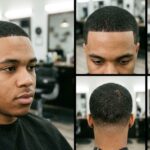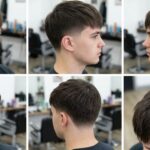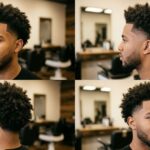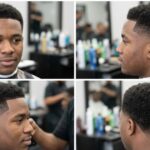
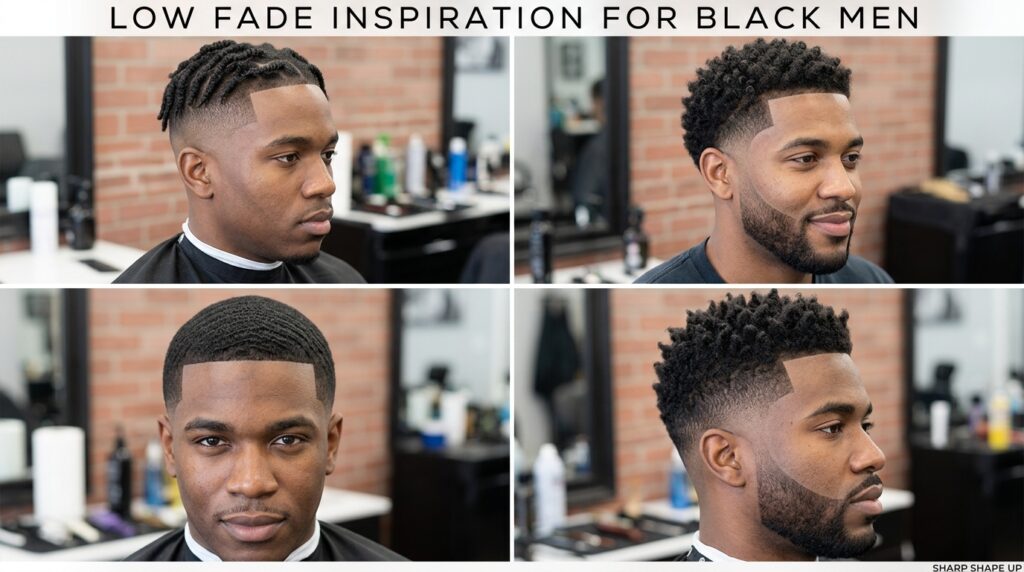
Low Fade Haircuts for Black Men A low fade is one of the most requested cuts in barbershops right now, and for good reason. It’s sharp without being flashy, it works with almost every hair texture, and it holds up whether you’re heading to the office or a weekend cookout. If you’ve been scrolling through photos trying to figure out what to ask for, this guide breaks it all down.
Below, you’ll find what makes a low fade different from a taper, the most popular variations for Black hair, how to talk to your barber so you get exactly what you want, and how to keep the cut looking fresh between visits.
What Is a Low Fade Haircut?
A low fade is a haircut where the hair fades from very short to longer, starting close to the ear and hairline rather than higher up near the temple. The transition is gradual, which is what gives it that smooth, blended look instead of a harsh line.
Because the fade sits low on the head, more hair is left on the sides overall. This makes the style look polished and controlled rather than dramatic, which is exactly why it reads as “clean” in almost any setting, job interviews included.
Low Fade vs Taper (Simple Difference)
People mix these two up constantly, so here’s the short version:
| Feature | Low Fade | Taper |
| Where it starts | Just above the ear/hairline | Only at the very edges (neckline, sideburns) |
| Amount of blending | Noticeable, gradual fade | Minimal, subtle cleanup |
| Overall look | Sharper, more defined | Softer, more natural |
| Best for | Guys who want visible contrast | Guys who want a barely-there trim |
In short: a taper trims things up quietly, while a fade actually blends length. If you want your cut to stand out a bit, ask for the fade. If you’d rather keep things understated, a taper is your move.
Read More:Low Taper Fade with Buzz Cut: Best Styles, Guard Sizes & Barber Tips 2026
Why Low Fade Haircuts Are Perfect for Black Men
Low fades pair especially well with Black hair textures, and it’s not just about looks, there are practical reasons too:
- Works with coily and curly textures. Type 3 and Type 4 hair holds its shape well against a low fade, so the contrast between the sides and the top actually pops.
- Grows out gracefully. Because the fade starts low, regrowth doesn’t ruin the shape as fast as it does with a high fade.
- Flatters line-ups and edge work. A crisp low fade makes a shape-up or line-up look even sharper.
- Reads as professional. It’s one of the safest fade choices for offices, interviews, or formal events.
- Pairs with almost anything on top, afros, twists, waves, curls, or dreads.
It’s a style that doesn’t demand much explanation once you’re wearing it, it just looks put-together.
Popular Low Fade Haircuts for Black Men
There isn’t just one “low fade.” The fade is really just the foundation, what you do with the top is where the personality comes in.
Low Fade with Short Hair
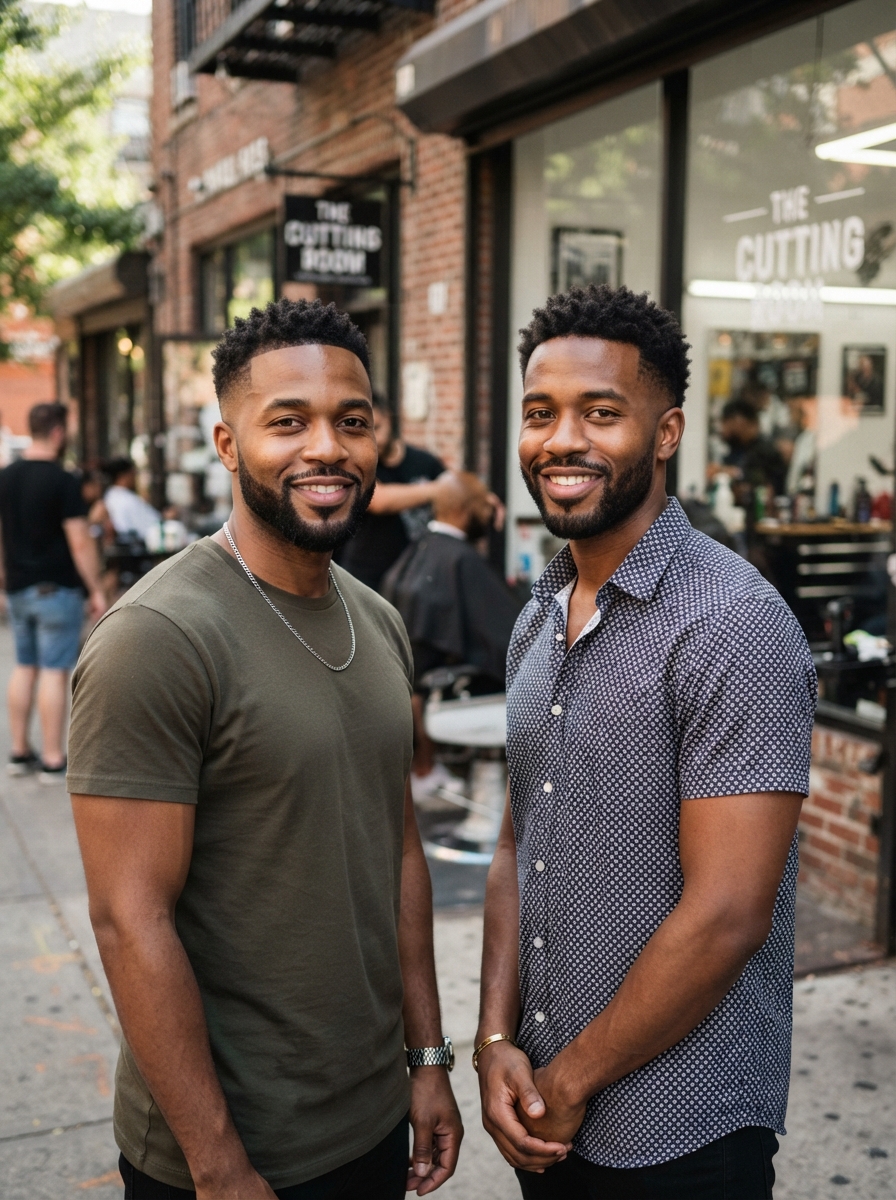
This is the no-fuss version: short all over, clean fade on the sides, minimal styling needed. It’s the go-to if you want something you can wash and go without touching a comb.
Low Fade with Afro
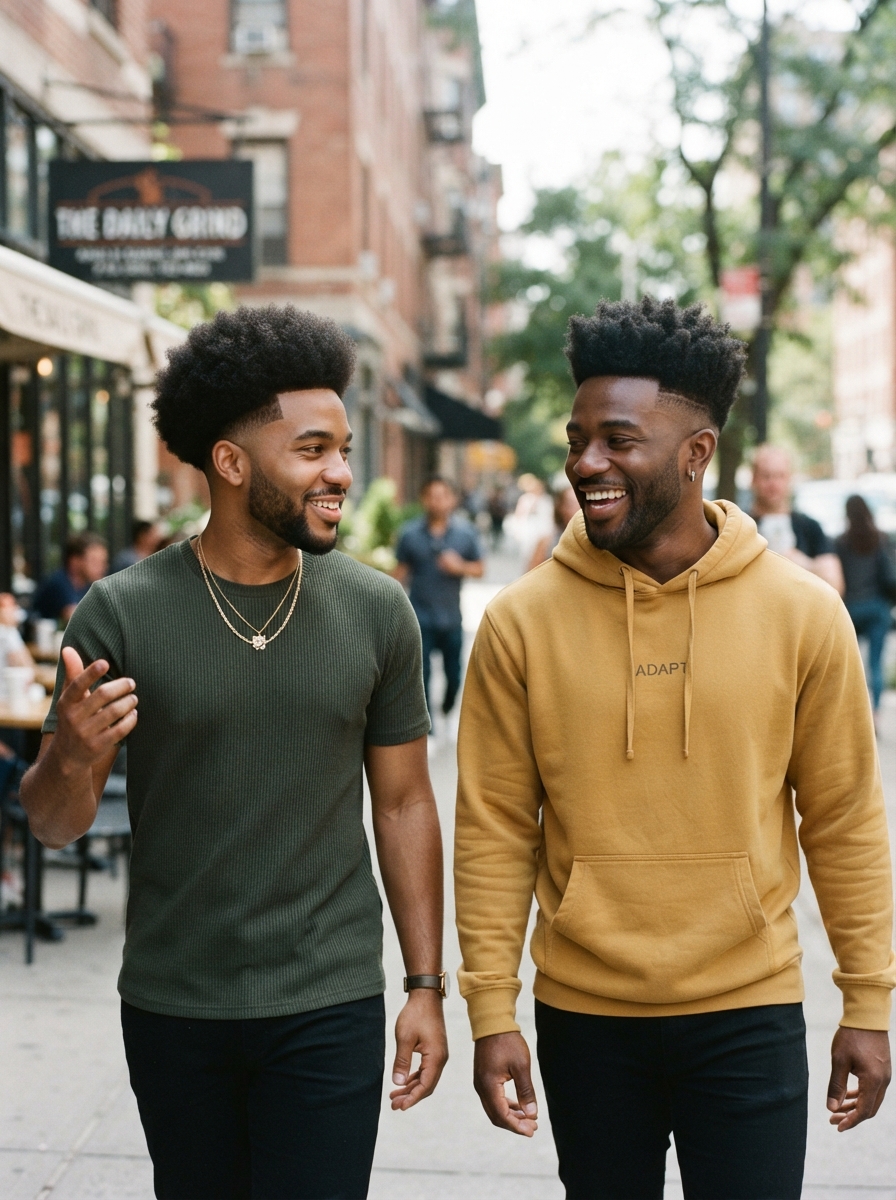
The sides stay tight and controlled while the top is left natural, giving you volume and texture up top with a defined shape around it. It’s a great way to wear an afro without it looking unstructured.
Low Fade with Curls
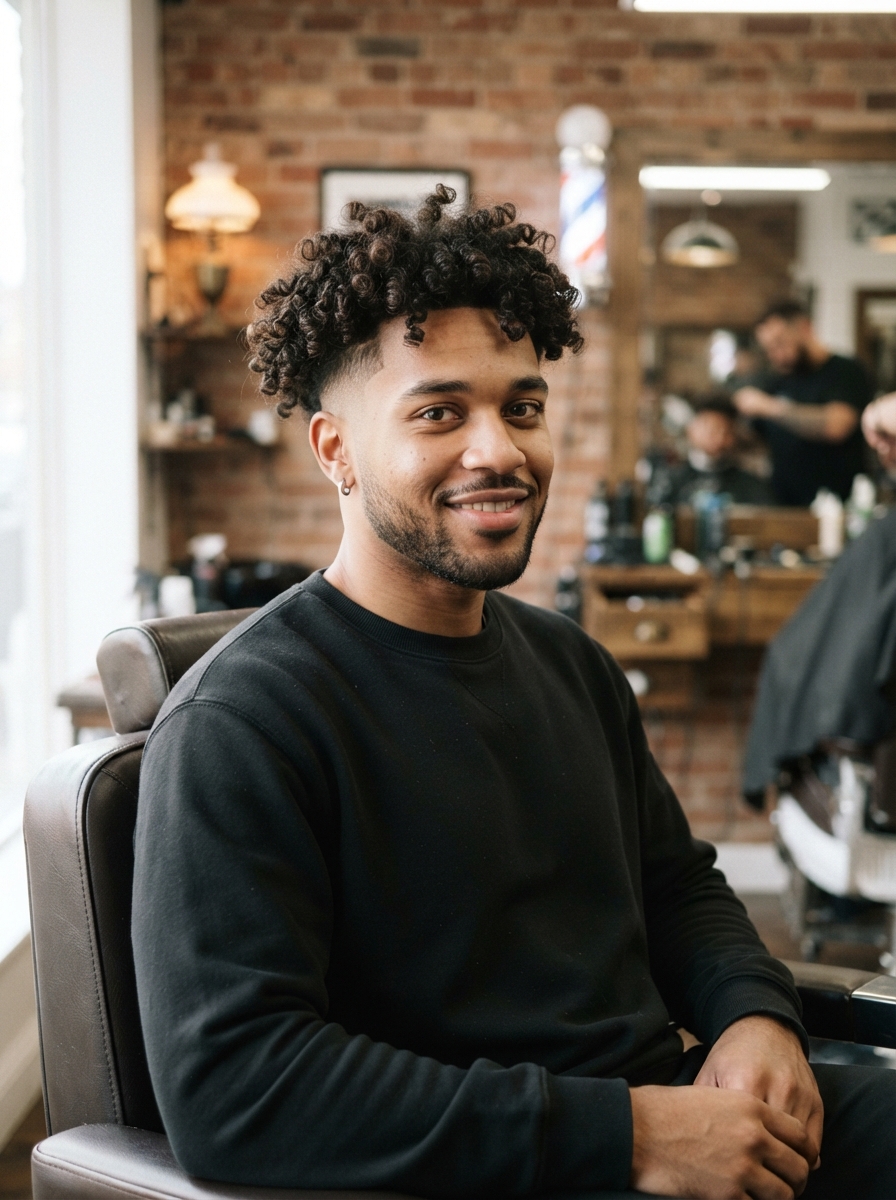
Defined curls on top against a clean-faded side creates a nice contrast between texture and precision. A curl sponge or twist-out routine keeps the curls popping while the fade does the heavy lifting on tidiness.
Low Fade with Waves
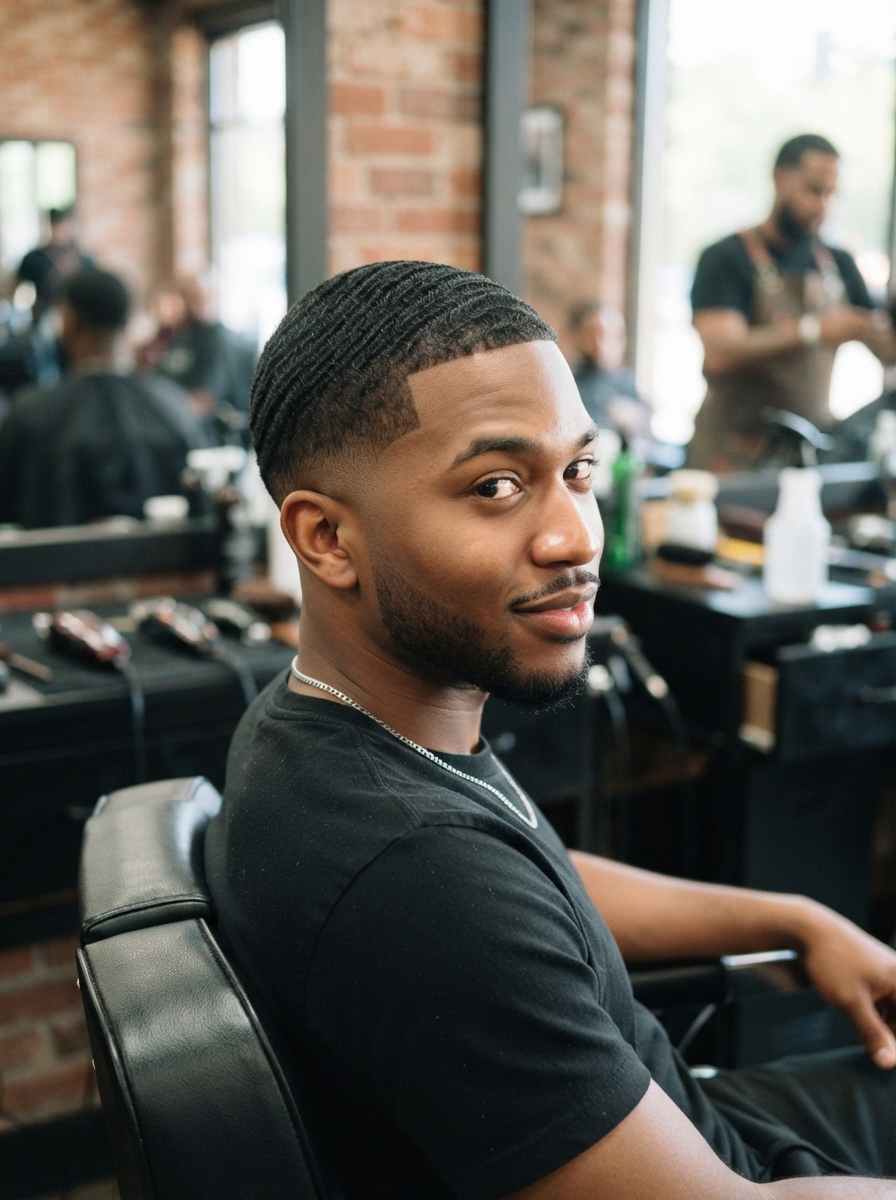
This combo is a barbershop classic. Because the fade stays low, it frames 360 waves nicely without cutting into the pattern you’ve been brushing for weeks.
Low Fade with Twists
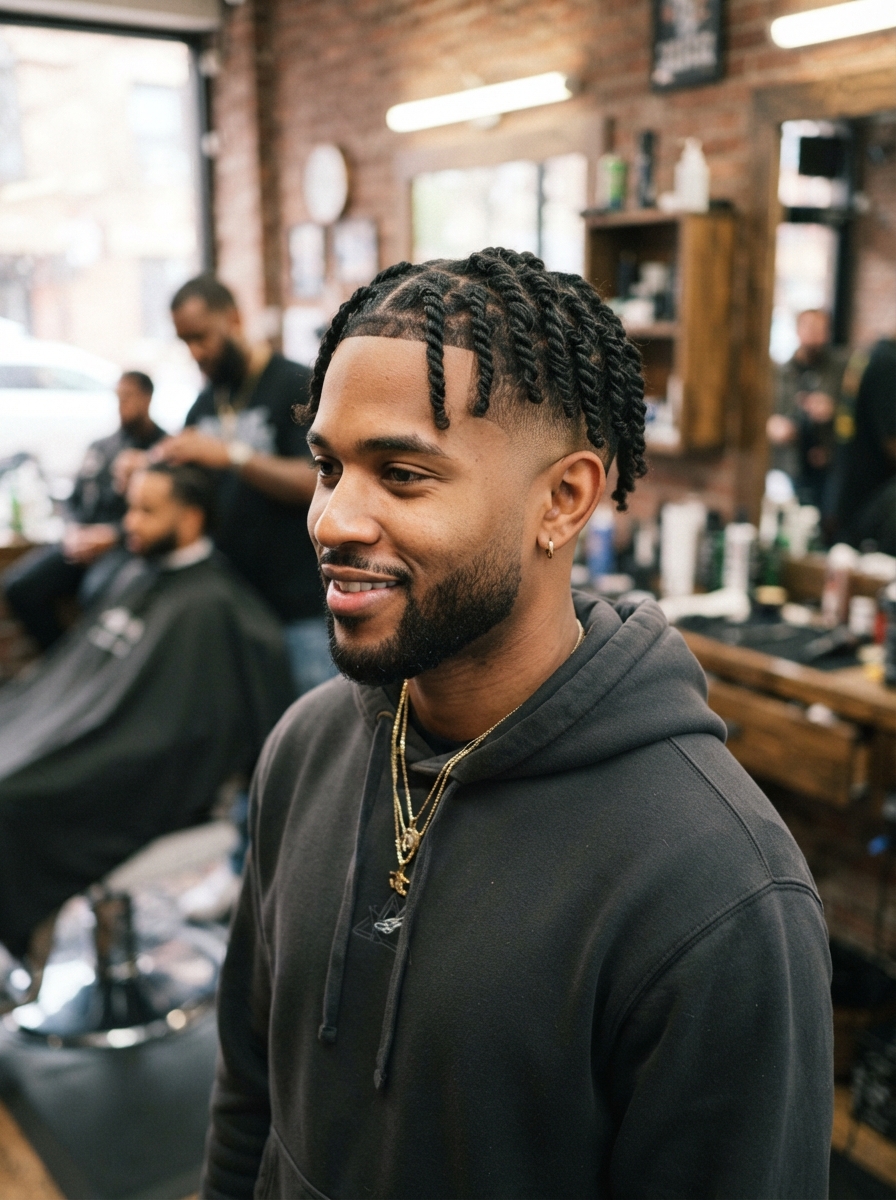
If you’re growing your hair out but don’t want to look unkempt in the meantime, twists on top with a low fade on the sides gives you texture and length while keeping the overall shape sharp.
Low Fade with Dreads
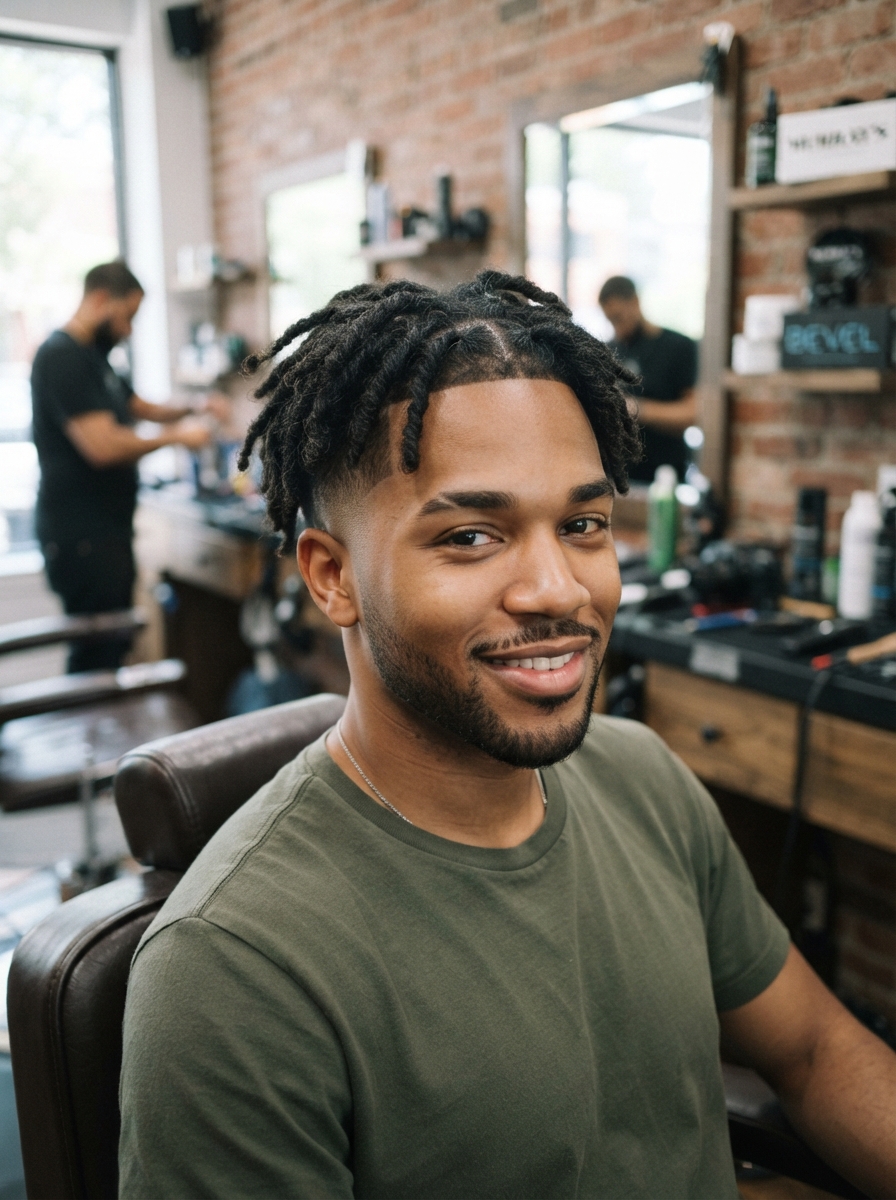
A low fade lets you keep length and maturity in your locs while still having clean, groomed sides. It refreshes the whole look without touching the dreads themselves.
Low Fade with Beard
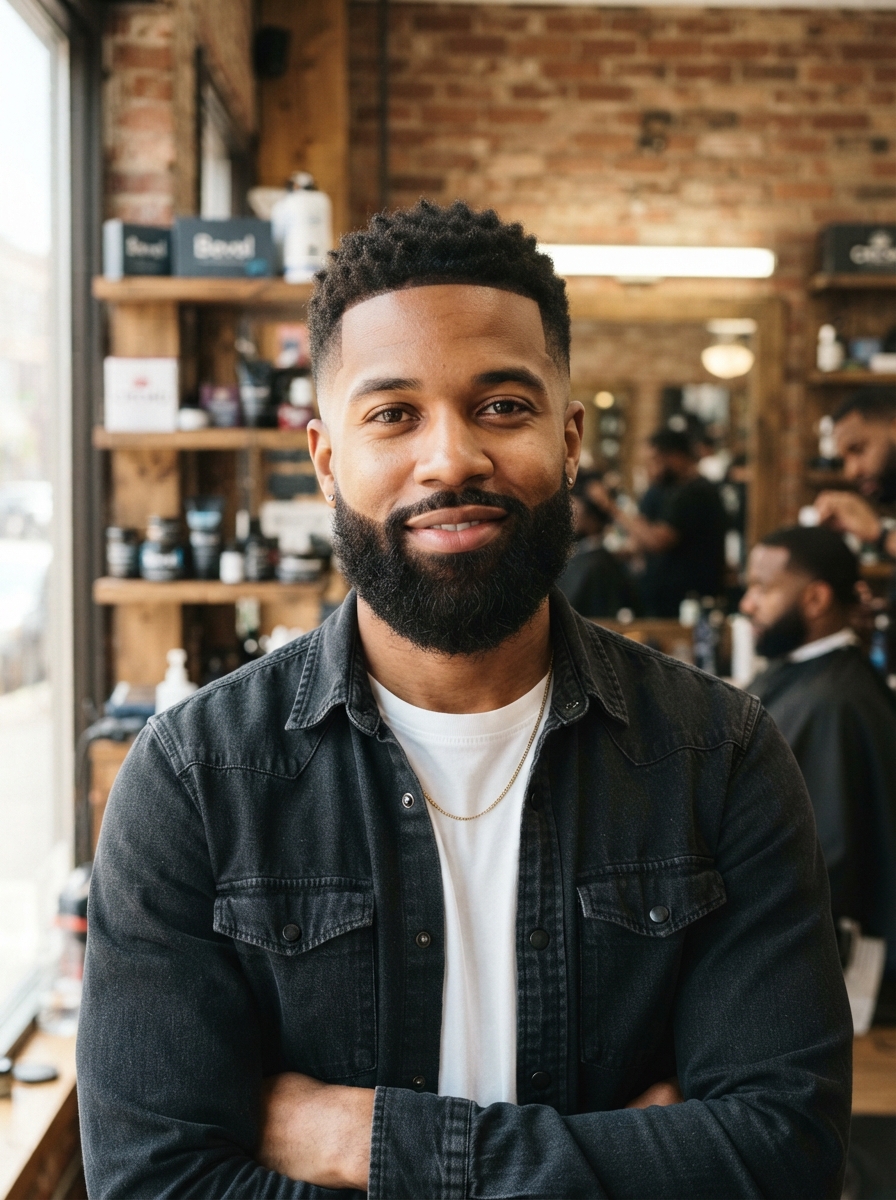
Blending the fade into a beard creates one continuous, groomed line from hairline to jaw. This combo is popular because it makes the whole face look more structured and deliberate.
Low Fade vs Mid Fade vs High Fade (Quick Guide)
Fade height changes the whole vibe of a haircut, even with the same style on top. Here’s how they compare:
| Fade Type | Fade Starts | Overall Vibe | Best For |
| Low Fade | Above the ear/hairline | Clean, subtle, professional | Work, school, everyday wear |
| Mid Fade | Above the temple | Balanced, a bit bolder | Casual-to-stylish, versatile settings |
| High Fade | Near the top of the head | Bold, high contrast | Trend-focused, statement looks |
If you’re not sure which to pick, the low fade is the safest starting point, it’s easy to build on and rarely looks out of place.
How to Explain a Low Fade to Your Barber
Miscommunication is the #1 reason people walk out with the wrong fade height. A quick, clear script helps a lot:
“I want a low fade, keep the blend starting just above my ears, not up by my temples. Leave the top [length/style], and clean up my line-up.”
A few tips to make the conversation smoother:
- Say “low fade” specifically, not just “fade.”
- Point to where you want the fade to start (touch your head if you have to).
- Mention what you want on top, length, curls, waves, whatever it is.
- Bring a reference photo. Barbers work faster and more accurately with a visual.
Common Mistakes to Avoid
Even a great haircut can go sideways from small communication or upkeep slip-ups:
- Asking for “just a fade” with no height specified
- Not mentioning how much length to leave on top
- Letting the barber’s clippers drift too high without checking in
- Skipping a mirror check mid-cut before it’s too late to adjust
How to Maintain a Low Fade (Black Hair Care)
A low fade looks sharp on day one, the real test is keeping it that way. Here’s how the maintenance routine breaks down.
Trim Frequency
- Every 2–3 weeks is the sweet spot for most low fades.
- Skin fades and closer cuts may need a touch-up sooner, around the 10–14 day mark.
Daily Care
- Moisturize your scalp and hair daily, dry hair is more prone to breakage and looks dull faster.
- Brush waves or scrunch curls gently depending on your top style.
- Use a light oil or leave-in product rather than piling on heavy grease.
Night Care
- Wrap your hair with a durag or bonnet before bed to protect the pattern.
- Switch to a satin or silk pillowcase if you don’t like sleeping in a durag, it cuts down on friction and frizz.
Edge Maintenance
- Stick to light touch-ups between barber visits rather than trying to redo the whole line-up yourself.
- Over-editing your own edges at home is one of the fastest ways to throw off the shape.
Best Face Shapes for Low Fades
The good news: low fades are genuinely one of the more forgiving cuts across face shapes.
| Face Shape | Why It Works |
| Round | Adds structure and vertical lines |
| Square | Complements and sharpens the jawline |
| Oval | Naturally balanced, works with almost any top style |
| Receding hairline | Keeps the focus low, drawing attention away from the hairline |
Common Low Fade Mistakes to Avoid
- Letting the fade creep too high over time without correcting it
- Neglecting scalp moisture, which leads to flaking and dullness
- Over-sharpening line-ups until they look unnatural
- Stretching out trims too long between visits
- Using the wrong tools for home touch-ups
Keeping it simple, regular trims, consistent moisture, and protecting your hair at night, is really all it takes to keep a low fade looking barbershop-fresh.
Final Thoughts
A low fade earns its popularity honestly, it’s clean, adaptable, and works with nearly every hair type and face shape out there. Whether you pair it with an afro, waves, twists, or dreads, it gives you a sharp foundation without forcing you into one specific look.
If you want a haircut that looks intentional without requiring constant upkeep or a bold personality shift, the low fade checks every box. Bring a photo, explain the fade height clearly, and stick to a simple maintenance routine, that’s really all it takes to keep it looking sharp.
Frequently Asked Questions
Is a low fade good for Black men?
Yes. It works especially well with curls, coils, waves, and afros, and holds its shape as hair grows out.
How long does a low fade last before needing a trim?
Most low fades stay clean for about 2–3 weeks before the lines start to soften.
Low fade vs low taper, which one should I choose?
A low fade gives more visible contrast; a low taper is subtler and only cleans up the edges.
Is a low fade appropriate for work or interviews?
Yes, it’s considered one of the most workplace-friendly fade styles available.
Can a low fade work with locs or dreads?
Absolutely. It keeps the sides tidy while leaving your loc length completely untouched.