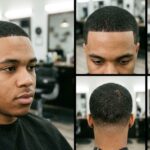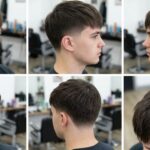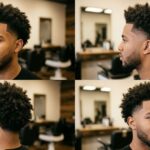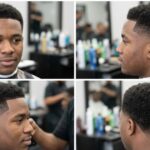
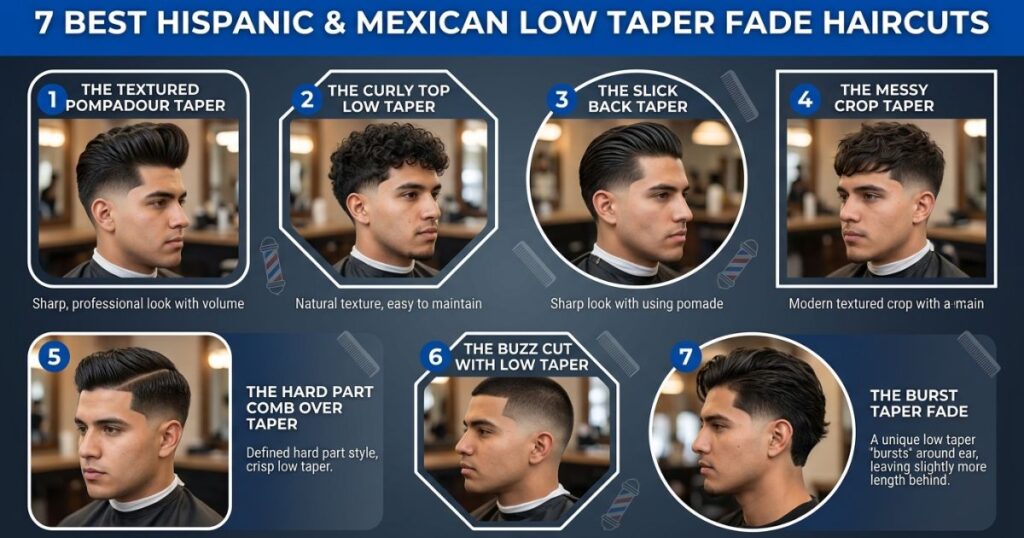
Hispanic Mexican low taper fade is everywhere in 2026, and for good reason. It keeps the sides clean, leaves length on top, and grows out without an awkward stage. Search for Hispanic and Mexican versions, though, and you’ll find the two names used almost interchangeably. That is only half right, and the details matter.
This guide breaks down what makes each version different, from fade softness to hairline sharpness. You’ll get seven styles worth asking for, a face shape and hair type chart, barber wording you can copy, and realistic cost and upkeep numbers, so your next cut matches what you pictured.
What Is a Low Taper Fade?
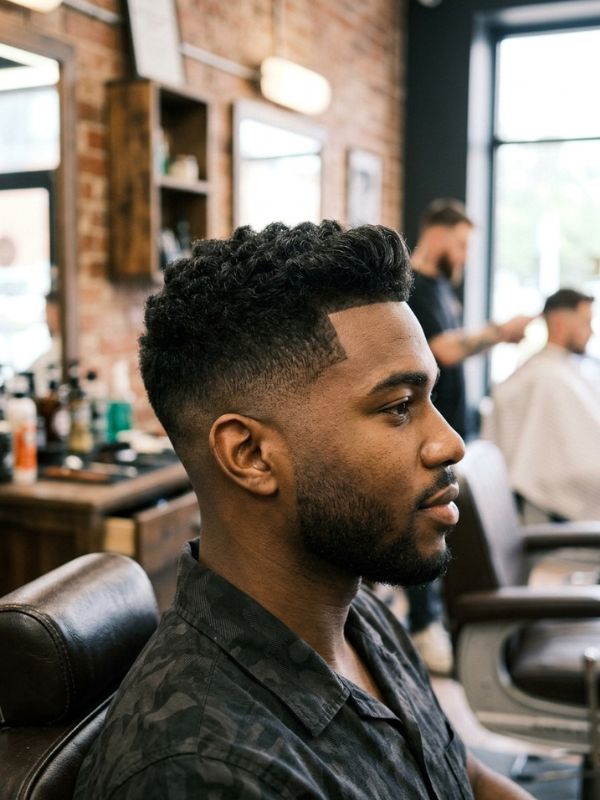
A low taper fade is a haircut where the hair gets gradually shorter around the sideburns, ears, and neckline. The blend starts low on the head and stays subtle. The sides and top keep more length than they would in a mid or high fade.
Think of it as a tidy frame for your hair rather than a dramatic contrast. A taper shortens hair in a gentle slope. A fade takes that slope down toward the skin. A low taper fade uses both, but only around the outer edges.
Low taper fades are popular because they:
- Look polished at work, school, weddings, and casual hangouts
- Grow out gracefully, so you can stretch the time between visits
- Suit most face shapes and hair textures
- Pair easily with beards, since the fade connects to the sideburns
- Work with many tops, from crops to curls to slick backs
Hispanic Low Taper Fade:
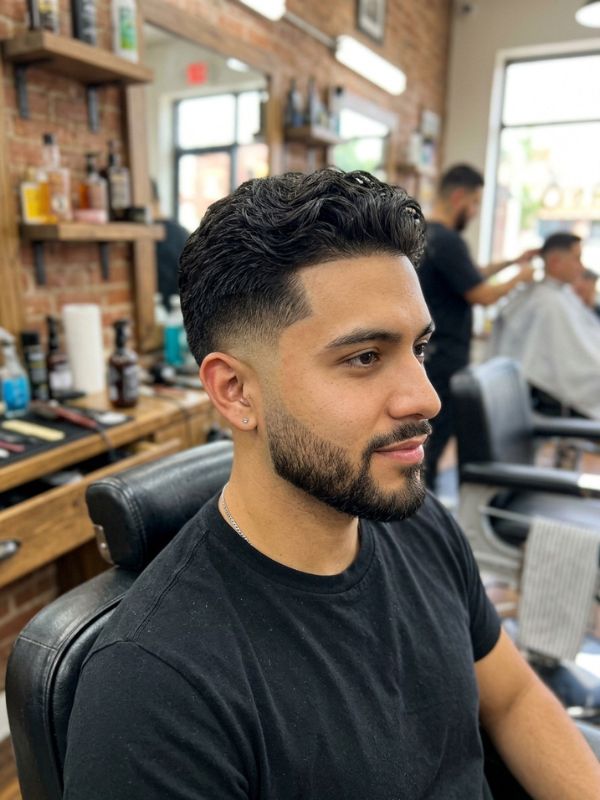
“Hispanic” covers people from Spain and many Latin American countries, so this style is best understood as a look rather than a single tradition. It favors a soft, natural finish. The fade melts into the skin near the ears and neckline, and the hairline stays tidy without looking drawn on.
Key Features
- Soft, gradual blend: no visible steps or harsh contrast
- Natural hairline: edges are cleaned up, not cut razor-sharp
- Balanced weight on top: most of the length stays, which flatters thick hair
- Slow grow-out: the cut still looks neat at week three or four
- Flexible styling: works with a side part, textured crop, waves, or loose curls
Best For
- Office workers and professionals
- Students and first-time fade clients
- Men with thick, dense, or wavy hair
- Anyone who wants low maintenance without looking unkempt
Mexican Low Taper Fade:
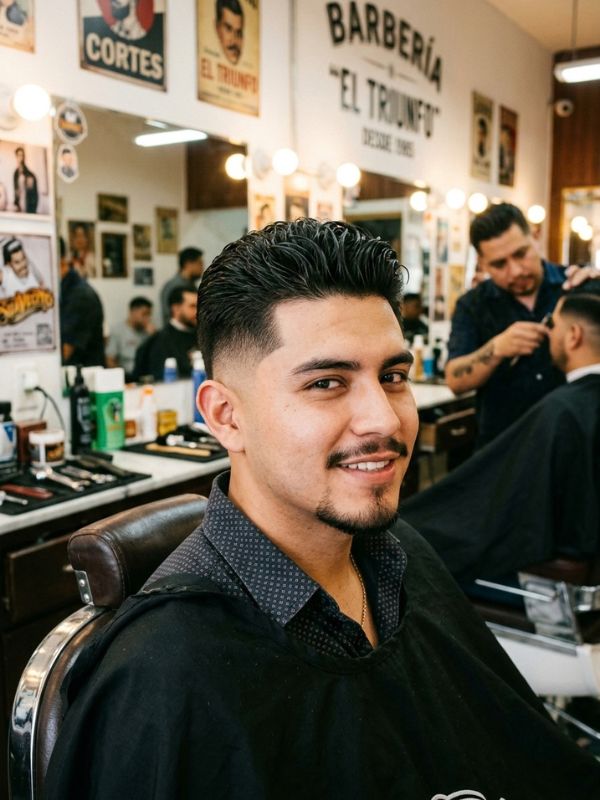
The Mexican low taper fade draws on the detail-driven craft of many Mexican barbershops. The taper itself is still low, but the finishing work does more of the talking. Expect a crisp line-up, precise temple work, and a fade that looks sculpted.
Key Features
- Sharp line-up: the forehead and temple lines are clean and defined
- Polished blend: the fade is smooth but visibly intentional
- Beard connection: the fade flows into the beard without a gap
- Optional details: a hard part (a razor-drawn parting line) or a small design
- Bolder overall shape: the cut looks more structured from the front
Read More:Low Taper Fade Hairstyle for Men: A Complete Guide to a Clean and Modern Look
Best For
- Men who like a bold, fashion-forward look
- Beard wearers
- Anyone wanting a strong jawline and forehead frame
- Guys comfortable with more frequent touch-ups
Hispanic vs Mexican Low Taper Fade
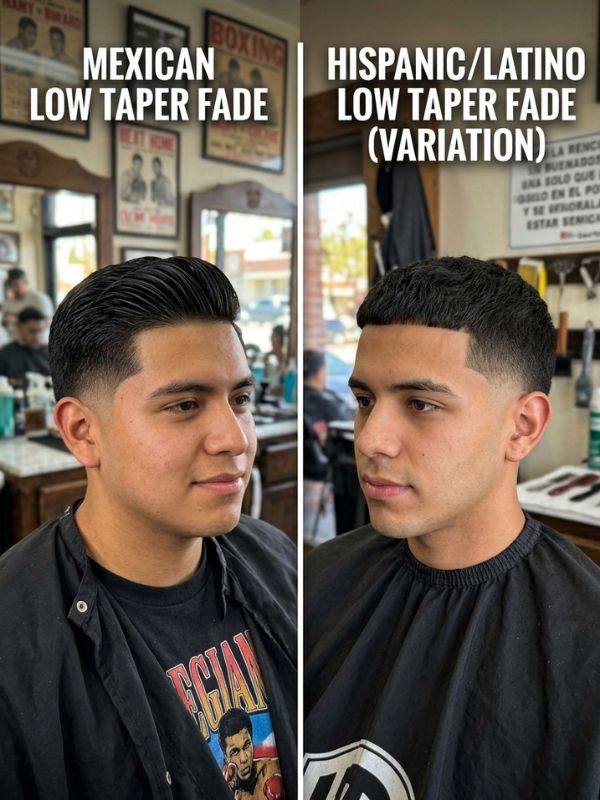
Here’s a quick side-by-side comparison. Remember that these are style tendencies, not strict rules. A good barber blends both approaches based on your hair and face.
| Feature | Hispanic Low Taper Fade | Mexican Low Taper Fade |
| Fade finish | Soft, natural blend | Crisp, sculpted blend |
| Hairline | Clean but relaxed | Sharp, defined line-up |
| Overall vibe | Professional, understated | Bold, detail-focused |
| Extras | Rarely adds designs | Hard part or light design optional |
| Beard blend | Subtle | Prominent and precise |
| Touch-up pace | Every 3 to 4 weeks | Every 2 to 3 weeks |
| Best setting | Office, school, everyday | Social events, style-driven looks |
Quick rule: choose Hispanic for soft and low effort. Choose Mexican for sharp and statement-making.
Popular Hispanic & Mexican Low Taper Fade Styles
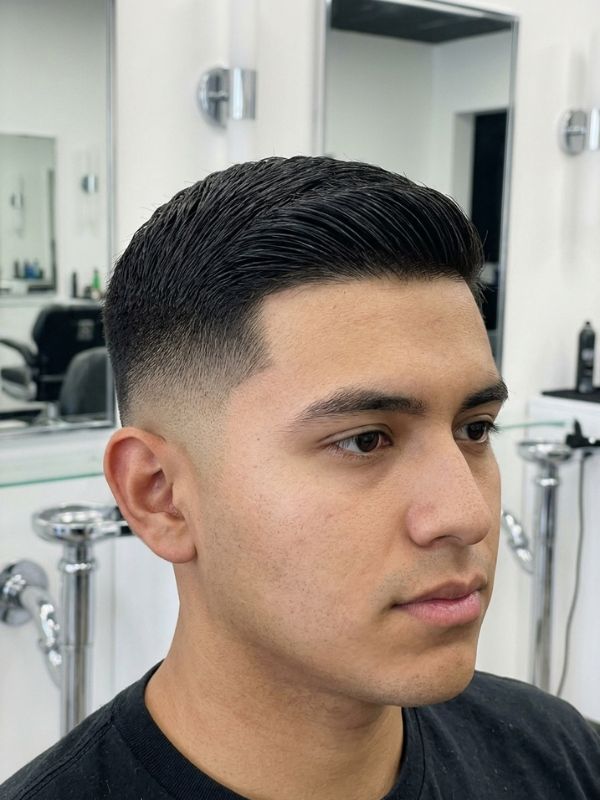
These seven styles cover the most-requested variations.
- Classic Hispanic low taper: short, neat sides with a comb-friendly top. It’s the safest choice for any occasion.
- Curly top low taper: natural curls stay full up top while the sides stay short and controlled. Use a curl cream to keep the definition.
- Textured crop low taper: a short, choppy top with a light fade. It’s easy to style and forgiving on cowlicks.
- Low taper with sharp line-up: the signature Mexican finish. A crisp forehead and temple line frames the face.
- Low taper with beard blend: the fade flows into a short beard or stubble. It adds structure to rounder faces.
- Slick back low taper: longer top hair is brushed back with pomade. It reads formal and clean.
- Long-top low taper: extra length up top with a tidy taper below. It looks trendy and gives you styling options.
Bonus mention: the Edgar cut, a blunt fringe over a tight taper, is also popular in Latino barbershops. It sits on the bolder end of the spectrum.
Face Shape & Hair Type Guide
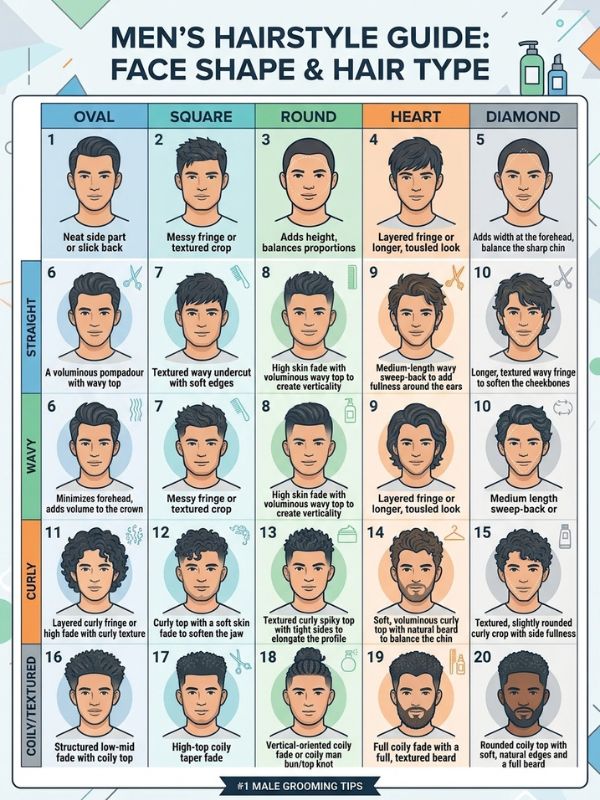
Ethnicity does not decide the best cut. Hair density, strand thickness, growth patterns, hairline shape, and face proportions matter far more. Use this as a starting point, then adjust with your barber.
Face Shapes
| Face Shape | Best Pick | Why It Works |
| Oval | Either style | Balanced proportions suit almost anything |
| Round | Mexican-style with sharper line-up | Crisp edges add angles and definition |
| Square | Mexican-style or textured crop | Emphasizes the strong jawline |
| Oblong | Hispanic-style with a shorter top | Avoids adding extra height |
| Diamond | Hispanic-style with a fringe | Softens the cheekbones and balances the forehead |
Hair Types
| Hair Type | Best Approach | Styling Note |
| Straight | Either style | Holds lines well, so sharp edges last longer |
| Wavy | Hispanic-style, natural finish | Keep some length to show the movement |
| Curly | Either style, with curl-friendly top | Leave room for curls to shrink and bounce |
| Coarse or thick | Either style with weight removed | Ask for thinning or texturizing on top |
| Fine or thin | Soft fade with a textured top | Avoid over-thinning the crown |
How to Ask Your Barber
Clear words prevent haircut regret. Bring one or two photos, and say these things in order:
- “I’d like a low taper fade.”
- “Start the fade just above the ears and around the neckline.”
- “Leave about 2 to 3 inches on top” (or give your preferred length).
- Mention your clipper guard preference if you have one, such as a #1 or #2 at the shortest point.
Choose:
- Natural edges for the Hispanic style
- Sharp edges or a crisp line-up for the Mexican style
- Beard blend if you have facial hair
- Hard part or design only if you want extra detail
Pro tip: a photo beats any description. Show the front, side, and back if you can.
Styling & Care Tips
- Pomade or clay works for slick backs and textured tops
- Curl cream or leave-in conditioner keeps curls soft and defined
- Sea salt spray adds grip to wavy or fine hair
- Wash 2 to 3 times a week to avoid stripping natural oils
- Keep the neckline tidy between visits with a trimmer, but let your barber handle the fade
- Avoid tight hats for long stretches, since they can flatten your top and press the fade unevenly
- Moisturize your scalp if it gets dry or flaky
Cost & Touch-Ups
Prices vary by city, barber experience, and added services. These are typical U.S. ranges.
| Service | Typical Cost | Touch-Up Timing |
| Basic low taper fade | $25 to $45 | Every 3 to 4 weeks |
| Fade with sharp line-up | $30 to $55 | Every 2 to 3 weeks |
| Fade with beard trim | $40 to $65 | Every 2 to 3 weeks |
| Fade with hard part or design | $45 to $70+ | Every 2 weeks |
| Line-up only (quick refresh) | $10 to $20 | Between full cuts |
Budget for a quick line-up between cuts if you want the edges to stay crisp.
Do & Don’t Tips
| ✅ Do | ❌ Don’t |
| Choose a barber with fade examples in their portfolio | Pick a barber on price alone |
| Bring reference photos | Say “just a taper” without details |
| Match sharpness to your workplace | Ask for a razor-sharp line-up if you hate frequent touch-ups |
| Use light products daily | Layer heavy gel every day |
| Book your next visit before leaving | Let the fade grow past a month |
| Protect your scalp from sun | Ignore dryness or flaking |
Final Summary:
Both cuts share the same foundation: a low, subtle blend that starts near the ears and leaves length on top. The Hispanic version leans soft and natural, while the Mexican version leans crisp and detailed. Neither is better. Choose based on your job, hair texture, and schedule.
Before booking, save two reference photos, decide how sharp you want your line-up, and plan a chair visit every two to three weeks. Give your barber clear words, keep your scalp healthy, and the cut will look intentional from day one through the grow-out.
Frequently Asked Questions
Are Hispanic and Mexican low taper fades the same?
No. They share the same base, but the Mexican version usually has sharper edges and more detail.
Which is better for office jobs?
The Hispanic low taper fade, thanks to its soft, natural finish.
Which looks bolder?
The Mexican low taper fade, because of its crisp line-up and defined shape.
Does a low taper fade work on curly hair?
Yes. It keeps the sides neat while letting your curls stay full on top.
How often should I get a touch-up?
Every 2 to 4 weeks, depending on how sharp you like the edges.
How much does a low taper fade cost?
Most cost between $25 and $65 in the U.S., depending on the added details.
What should I tell my barber?
Ask for a low taper fade starting above the ears, and specify top length and edge sharpness.