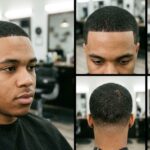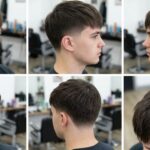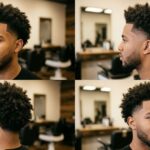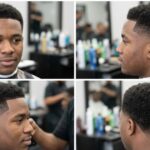
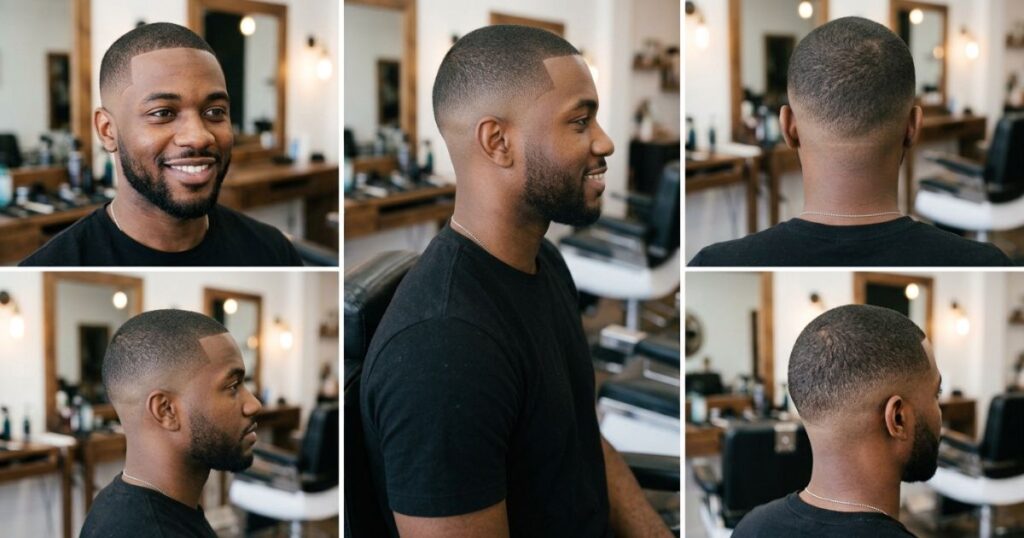
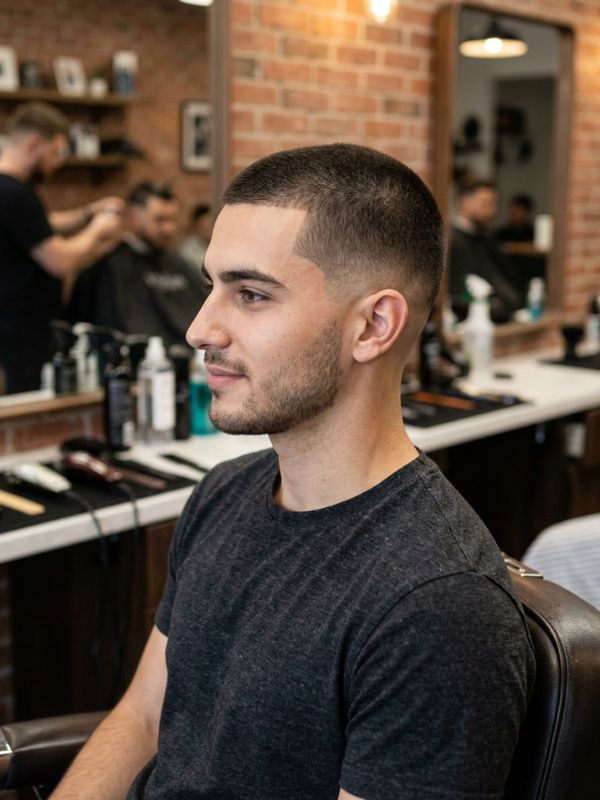
A low taper fade with buzz cut gives you the simplicity of short hair with a much sharper finish. The sides stay short and even, while the hair narrows softly around the ears and neckline. It looks tidy, feels light, and needs almost no morning styling routine.
This guide covers guard sizes, the best style variations, face shape and hair type advice, and exactly what to tell your barber. You will also find common mistakes and simple maintenance tips, so your next haircut looks sharp on day one and still looks good two weeks later.
What Is a Low Taper Fade with Buzz Cut?
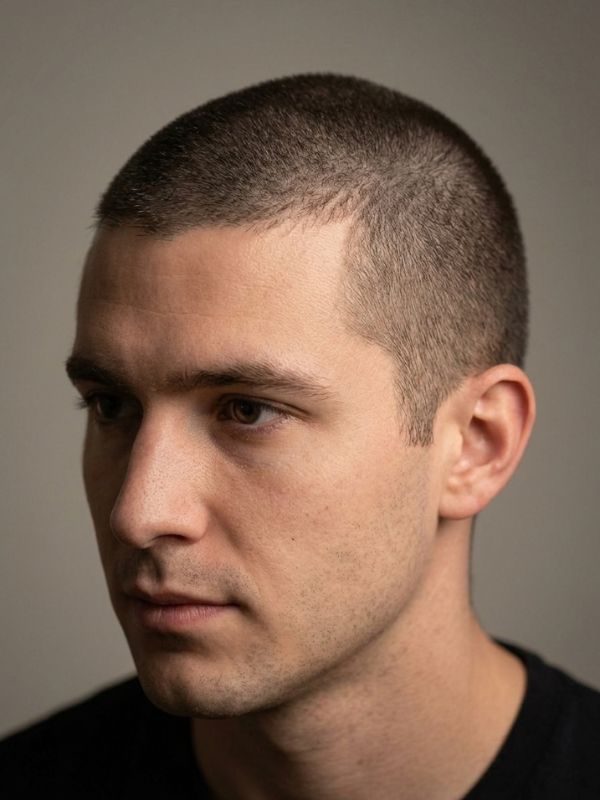
A low taper fade with buzz cut is a short, even-length haircut on top with sides that gradually shorten toward the sideburns, the back of the ears, and the nape. The taper starts low, so the cut stays clean but never looks aggressive.
Quick breakdown:
- Buzz cut: the whole head is cut with clipper guards to one short length.
- Low taper: the shortening happens only around the ears and neckline.
- Result: a plain buzz with better shape and a neater outline.
A taper is more subtle than a full fade. A fade climbs higher and can reach bare skin, while a low taper stays near the hairline and keeps most of the side hair intact.
Why This Haircut Is So Popular
Most short haircuts either look too plain or grow out unevenly within a week. This one avoids both problems. The taper frames the face, and the hair around the ears and nape grows back more evenly than a hard skin fade does.
Here is why men keep asking for it:
- Needs almost no daily styling
- Looks professional at the office, school, or a job interview
- Stays comfortable in hot weather and during workouts
- Works with a beard, a lineup, or a natural hairline
- Grows out gradually instead of all at once
- Suits most face shapes and hair textures
Best Buzz Cut Guard Sizes for a Low Taper
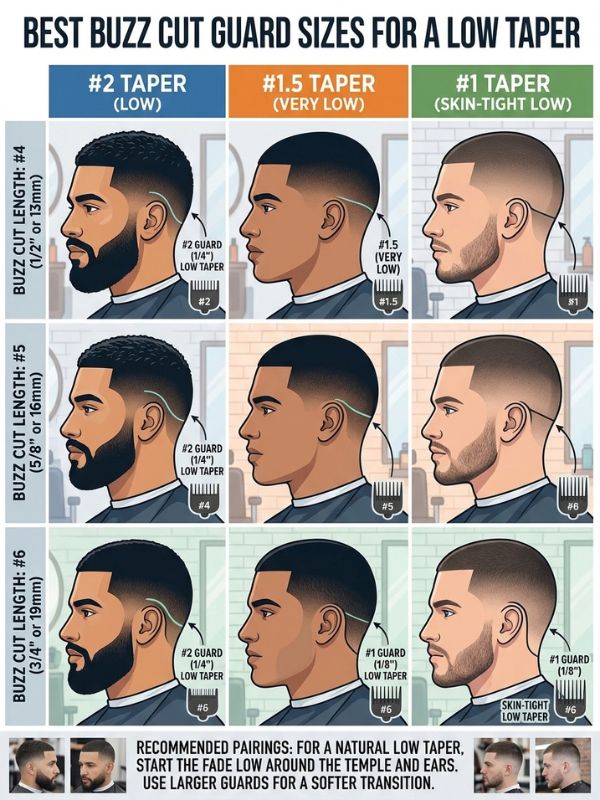
Guard size decides how the whole cut looks. A higher number leaves more hair. Use this chart as a starting point, then adjust based on your hair density and head shape.
| Guard | Length (inches) | Length (mm) | Look | Maintenance |
| #1 | 1/8″ | 3 mm | Very short, scalp shows | High |
| #2 | 1/4″ | 6 mm | Clean and balanced | Medium |
| #3 | 3/8″ | 10 mm | Soft and natural | Low |
| #4 | 1/2″ | 13 mm | Fuller, easy to grow out | Low |
Exact measurements can vary slightly between clipper brands, so ask your barber to test the guard on a small patch first.
#1 Guard Buzz Cut
The #1 guard leaves about 3 mm of hair. It creates a sharp, military-style look and shows off the shape of your head and jawline. The low taper still gives you contrast, but there is less length to blend, so the fade looks tight and precise.
Best for: strong jawlines, dense hair, and men who want the shortest possible upkeep between washes.
#2 Guard Buzz Cut
The #2 guard is the safest all-round choice. It looks clean and deliberate without exposing too much scalp. If you are trying a buzz cut for the first time, this is a smart place to start.
Best for: first-timers, office settings, and most face shapes.
#3 Guard Buzz Cut
A #3 guard leaves a little more body on top, so the cut looks softer and more natural. It also hides small head-shape quirks and uneven hairlines better than shorter guards.
Best for: thick or wavy hair, and men who want a low-risk cut.
#4 Guard Buzz Cut
The #4 guard keeps about half an inch of hair. It works well if you are moving from longer hair to short hair, and it still shows the taper clearly around the ears and neck.
Best for: fine hair, longer face shapes, and a relaxed, textured look.
Barber tip: If you are unsure between two guards, go with the longer one. You can always cut shorter next time, but you cannot add hair back.
Read more:7 Best Hispanic & Mexican Low Taper Fade Styles (2026 Guide)
Best Low Taper Fade with Buzz Cut Styles
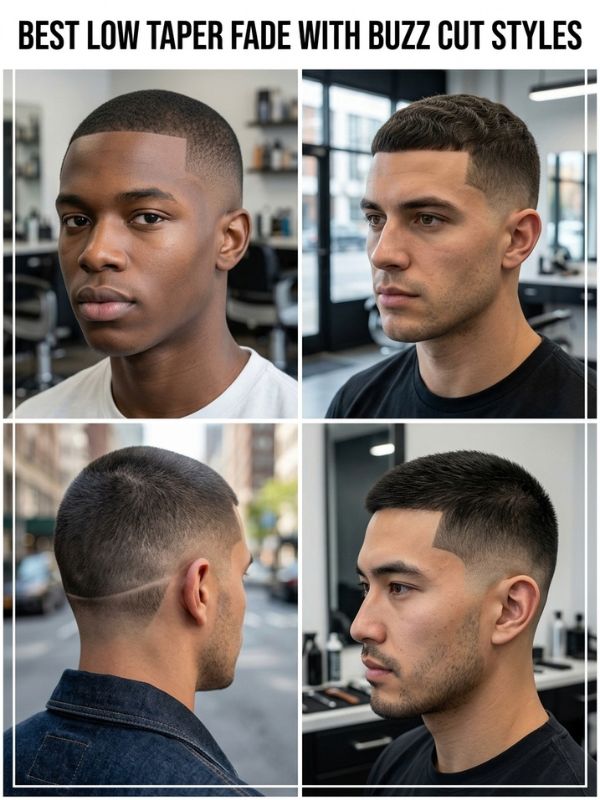
| Style | Top length | Vibe | Upkeep |
| Classic low taper | #2 to #3 | Clean, everyday | Every 3 weeks |
| With line up | #2 to #3 | Sharp, defined | Every 2 weeks |
| With beard | #2 to #4 | Mature, connected | Every 2 to 3 weeks |
| Skin fade low taper | #1 to #2 | Modern, high contrast | Every 1 to 2 weeks |
| Curly buzz cut | #3 to #4 | Textured, natural | Every 3 weeks |
| Long buzz cut | #4 or longer | Soft, casual | Every 3 to 4 weeks |
| Athletic buzz cut | #1 to #2 | Practical, sporty | Every 2 to 3 weeks |
Classic Low Taper Buzz Cut
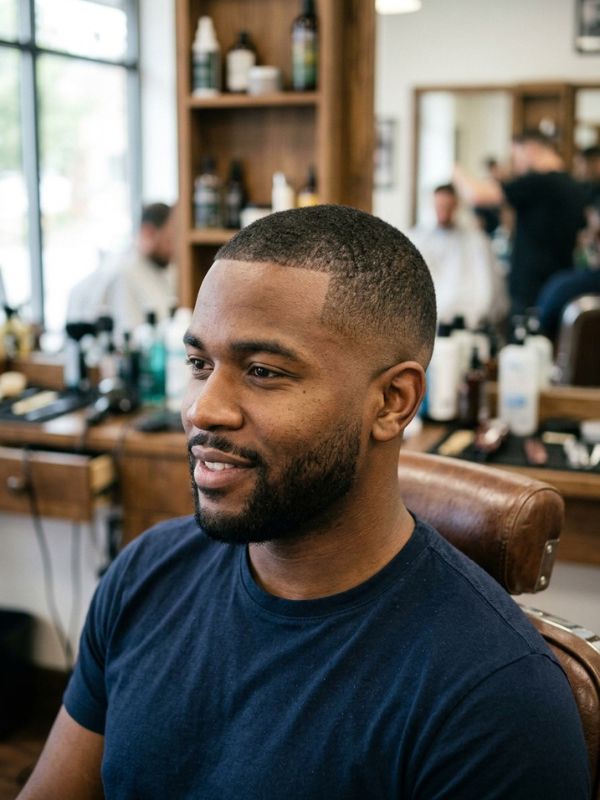
The top stays one even length, and the sides taper gently around the ears and nape. It is the easiest version to ask for and the easiest to wear. It fits almost any dress code.
Buzz Cut with Line Up
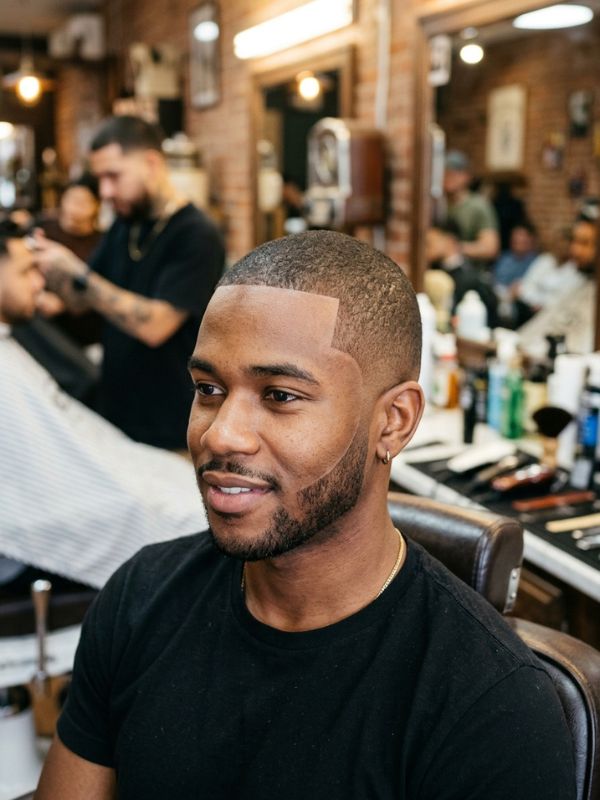
A lineup sharpens the hairline at the forehead and temples with clean, straight edges. It makes the cut look freshly done, but it also shows regrowth faster, so plan on shorter gaps between visits. Ask for a natural lineup if you do not want the hairline pushed back.
Low Taper Buzz Cut with Beard

The taper can blend directly into the sideburns and beard, so the haircut and facial hair look like one shape. A short, well-trimmed beard works best with a #2 or #3 top.
Skin Fade Low Taper Buzz
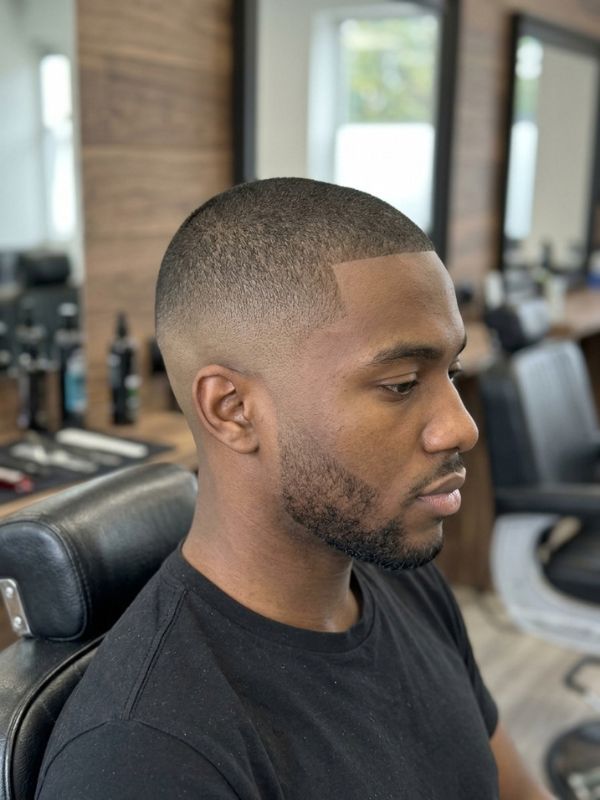
Here the hair around the ears and nape is taken down to bare skin before blending upward. It gives strong contrast and a very modern finish. The trade-off is that skin fades look untidy sooner than a standard taper.
Curly Buzz Cut with Low Taper
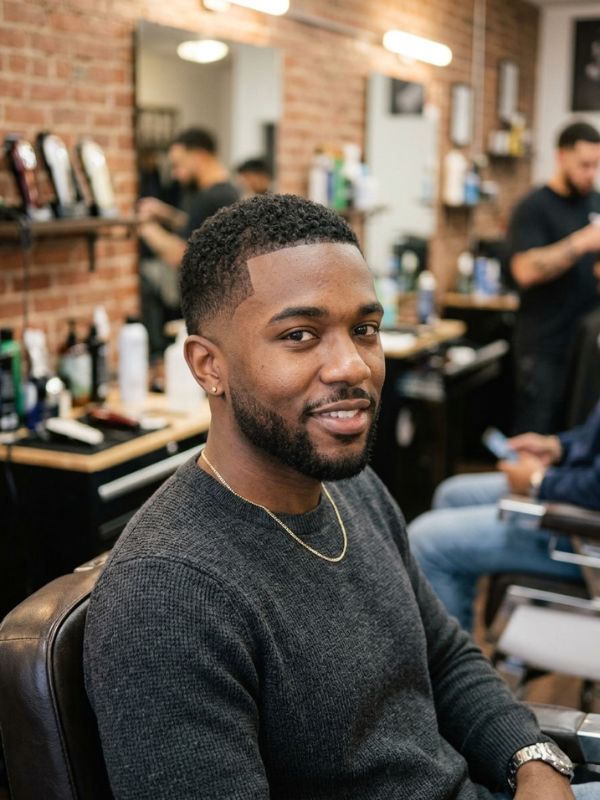
Curls stay visible on top, while the taper keeps the sides controlled. Leaving the top a little longer, usually a #3 or #4, keeps the texture from looking flat or patchy.
Long Buzz Cut with Low Taper
Using a #4 or longer on top gives a fuller shape while the taper keeps the outline neat. It is a good bridge between a buzz cut and a short crop.
Athletic Buzz Cut

This version suits gym routines, sports, and hot climates. It dries fast, fits under a cap or helmet, and needs nothing more than a wash and a quick towel dry.
Which Face Shapes Suit This Haircut?
| Face shape | Recommended guard | Why it works |
| Round | #3 or #4 with a light lineup | Adds a little height and sharpens the outline |
| Oval | Any guard, #2 to #3 is ideal | Balanced proportions suit every version |
| Square | #1 to #3 | Short sides highlight a strong jaw |
| Long | #3 or #4 | Extra length on top avoids stretching the face |
Round Face
Choose a slightly longer top and a clean lineup. The low taper adds definition at the sides, which stops the head shape from looking too soft or wide.
Oval Face
Oval faces are the most flexible. You can try a #1 for boldness or a #4 for something softer, and the taper will fit either way.
Square Face
A shorter buzz with sharp edges makes the most of a defined jaw. A #2 with a neat lineup is a reliable choice.
Long Face
Avoid very short tops and high fades, which can make the face look longer. A #3 or #4 with a low taper keeps proportions balanced.
Best Hair Types for This Cut
| Hair type | Best guard | Main benefit |
| Straight | #2 to #3 | Cleanest, sharpest finish |
| Thick | #1 to #3 | Taper removes bulk from the sides |
| Curly | #3 to #4 | Keeps natural texture visible |
| Fine | #3 to #4 | Looks fuller, less see-through |
Straight Hair
Straight hair lies flat and even, so the taper looks especially crisp. It also shows scalp more easily, so a #2 or #3 is usually more flattering than a #1.
Thick Hair
Thick hair can look heavy and boxy at the sides. The low taper removes that extra bulk around the ears and neck without going too short.
Curly Hair
Very short guards can make curls look patchy or uneven. Keep the top a little longer, and let the taper handle the shape at the edges.
Fine Hair
Fine hair can look sparse when cut very short. A #3 or #4 adds visual density, and the low taper still keeps the outline neat.
Low Taper Buzz Cut vs Regular Buzz Cut
| Feature | Low taper buzz cut | Regular buzz cut |
| Sides and back | Shorten gradually near ears and neck | Same length everywhere |
| Overall shape | Defined and framed | Uniform and basic |
| Grow-out | Blends more gradually | Looks fuzzy evenly |
| Barber skill needed | Moderate | Low |
| Best for | Neat, polished look | Fastest, simplest cut |
In short, a regular buzz cut is one length all over, while a low taper adds a small detail that makes the cut look intentional. That detail is why the tapered version feels more finished.
How to Ask Your Barber for a Low Taper Buzz Cut
Being specific saves you from a bad surprise. Follow these steps:
- Name the cut: “low taper with a buzz cut.”
- Pick the top guard: for example, “a #3 on top.”
- Choose the taper style: regular taper or skin taper.
- Mention the edges: natural lineup, sharp lineup, or none.
- Add extras: blend into the beard, or clean the neckline.
- Bring a photo: it removes guesswork.
Example script: “I’d like a buzz cut with a #3 on top and a low taper around the ears and neckline. Keep the lineup natural, and blend it into my sideburns.”
Barber tip: Ask your barber to start with a longer guard and work shorter. It is a safer way to find the right length.
Common Mistakes to Avoid
Going Too Short the First Time
Starting with a #1 or #0 is the most common regret. Hair takes weeks to grow back, so begin with a #2 or #3 and go shorter next time if you like it.
Taking the Fade Too High
If the fade climbs above the temple, you no longer have a low taper. You have a mid or high fade, which is a different look. Say “keep it low” clearly, and point to where the fade should end.
Ignoring Scalp Care
Short hair shows dryness, flakes, and sun exposure much more. Use a gentle shampoo, apply a light moisturizer if your scalp feels tight, and wear sunscreen or a hat outdoors.
Maintenance Tips
Hair grows around half an inch a month, so the taper softens fast. A simple routine keeps it looking good:
| Task | How often |
| Barber visit (standard taper) | Every 2 to 3 weeks |
| Barber visit (skin taper or lineup) | Every 1 to 2 weeks |
| Wash hair | 2 to 4 times a week, or as needed |
| Clean neckline and ears | Between visits |
| Scalp moisturizer | When dryness appears |
Avoid heavy, greasy products. A buzz cut does not need them, and they can make short hair look dirty.
Conclusion
A low taper fade with buzz cut is one of the most practical short haircuts you can choose for work, school, or the gym. It adds shape to a plain buzz, suits most face shapes and hair types, and grows out far more gracefully than a high or skin fade.
Start with a #2 or #3 guard, keep the taper low, and be specific with your barber. Bring a reference photo for extra clarity. Trim every two to three weeks, look after your scalp, and the cut will stay clean with very little effort.
Frequently Asked Questions
What is the best guard for a low taper buzz cut?
A #2 or #3 is the most popular choice because it looks clean without exposing too much scalp.
How long does a low taper buzz cut last before it needs a trim?
Most men need a touch-up every 2 to 3 weeks to keep the taper neat.
Is a low taper fade with buzz cut professional?
Yes. It is one of the safest short haircuts for offices, interviews, and school.
Does this haircut work with a beard?
Yes. The taper can blend into the sideburns and beard for a connected, balanced look.
Is a low taper buzz cut good for thinning hair?
Often, yes. A short, even length usually makes thinning areas less noticeable than longer hair.
What is the difference between a low taper and a low fade?
A low taper is subtler and stays near the ears and neckline, while a low fade can go shorter, sometimes to bare skin.
Can I get this haircut with curly hair?
Yes. Keep the top at a #3 or #4 so the curls stay visible and the cut looks even.
Can I do a low taper buzz cut at home?
It is possible with good clippers and a trimmer, but a barber will blend the taper more cleanly.