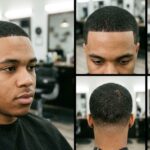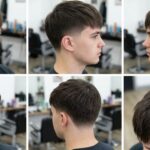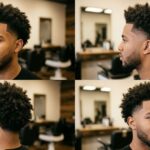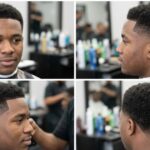
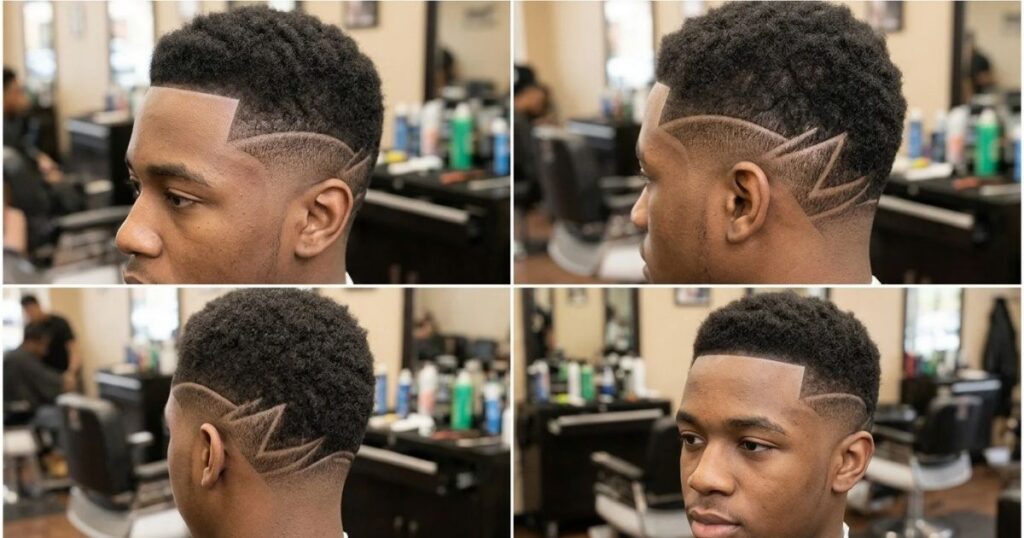
A low taper fade with design gives you a clean, polished haircut with one small detail that feels completely your own. The sides stay short and soft around the ears and neckline, while a shaved line or pattern adds personality without demanding attention. It suits school, work, and weekends alike.
This guide explains what the cut is, why it is trending in 2026, and which designs suit your hair type and face shape. You will also find barber-ready wording, upkeep advice, and common mistakes to avoid, so you can book your next appointment with confidence and walk out happy.
What is a low taper fade with design?
A low taper fade with design is a haircut where the hair starts short just above the ears and nape, blends gradually into longer hair, and includes a shaved line, curve, or pattern cut into the sides or back.
Two parts make up the cut:
- The low taper fade: a soft, gradual blend that begins low, close to your natural hairline.
- The design: a pattern carved in with clippers, a trimmer, or a razor. It can be one thin line or a detailed freehand shape.
The low starting point is what keeps the look conservative. It frames the ears and neck without exposing much scalp, so the haircut stays appropriate for offices and classrooms.
Low vs mid vs high taper: quick comparison
| Taper height | Where the fade starts | Overall look | Design space |
| Low taper | Just above the ears and nape | Soft, subtle, professional | Small: temple, behind the ear, neckline |
| Mid taper | Around the temple level | Balanced and versatile | Medium: side panel and back |
| High taper | High on the sides, near the crown | Bold, high contrast | Large: full side and back patterns |
If you want detail that stays discreet, the low taper gives you the most natural frame.
Read More:Low Mid Taper Fade: Best Styles, Barber Tips, and a 2026 Guide
Why it’s popular in 2026
Barbers keep recommending this cut because it solves a common problem: how to look neat and still look like yourself.
- Easy to wear anywhere. The taper reads clean at school, at work, and at the gym.
- Low commitment. A barber can soften, change, or drop the design at your next trim.
- Highly customizable. The same base cut looks different with a single line, a curve, or a freehand pattern.
- Camera-friendly. Crisp lines show up well in photos and short videos, which is where many people find ideas.
- Gentler than a skin fade. Hair stays closer to your natural hairline, so the result feels less harsh.
Barber tip: If you are unsure about a design, ask for the taper first and add the design at your second visit. You will see how the fade grows out before you commit.
Best low taper fade with design ideas for men and boys
These designs come up most often in barbershops. Pick the one that matches your confidence level and how often you can visit.
| Design | Look and feel | Typical placement | Skill level | Upkeep |
| Single line | Minimal and clean | Side or temple | Easy | Low |
| Double line | Slightly more detail | Side, above the fade | Easy to medium | Low to medium |
| Curved line | Soft and flowing | Follows the side of the head | Medium | Medium |
| Zigzag or lightning bolt | Energetic and playful | Side panel | Medium | Medium |
| Hairline line-up accent | Barely visible | Front hairline and temple | Easy | Low |
| V-shaped neckline | Sharp finish from behind | Nape | Medium | Medium |
| Freestyle pattern | One of a kind | Side or back | Advanced | High |
| Multi-line geometric | Bold statement | Side and back | Advanced | High |
Ideas for boys
Boys usually do best with a single line, a short curve, or a small shape near the temple. These designs look neat, check most school dress code boxes, and grow out evenly. Always check school rules before choosing anything bold.
Simple line designs for a clean look
If this is your first design, start with a line. Simple lines add detail without turning your head into a billboard, and they show you quickly whether you like the style.
Popular simple options:
- One clean line above the taper. It sharpens the edge and is the safest first request.
- Two parallel lines. A little more visual interest while staying minimal.
- A short temple line. Quiet enough that only people nearby will notice it.
- A gentle curve. It follows your head shape and blends smoothly into the fade.
- A small diagonal slash. A subtle, modern touch near the fade.
Why simple works: A single line softens into regrowth over a couple of weeks, while a complex pattern can look patchy as it fills in. If you cannot visit your barber often, keep the first design plain.
Back and neckline design ideas
Side designs get the attention, but the back and neckline offer just as much room, and they stay more private because hair on top falls over the back of your head.
| Neckline or back idea | Description | Best for |
| V-shaped neckline | The nape is shaped into a crisp V | Guys who want a sharp finish from behind |
| Rounded neckline | A soft curve that follows the neck | A gentle, natural look |
| Squared neckline | A straight, blocked edge | A defined, structured finish |
| Small nape line | A short shaved line near the base of the skull | Subtle detail |
| Symmetrical back design | A matching shape on both sides of the lower skull | Confident, detail-focused clients |
| Behind-the-ear design | A small shape or line hidden behind the ear | Maximum privacy |
Barber tip: Symmetry is hard to get right. For back designs, choose a barber who shows detailed neckline work in their portfolio.
Low taper fade with design for curly, wavy, and straight hair
Hair texture changes how a design looks once it is cut. Here is what to expect for each type.
Curly hair
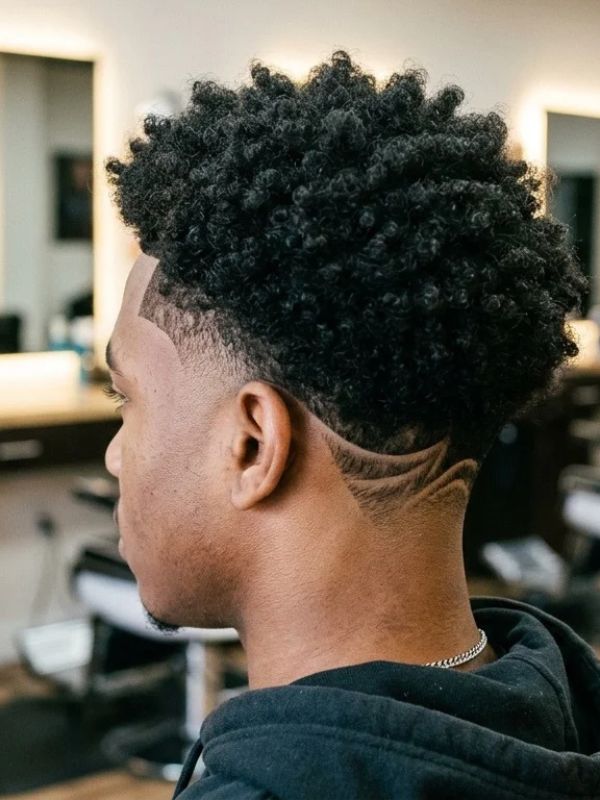
Curly hair makes designs stand out. Tight curls on top contrast sharply with the clean lines on the sides. Keep curls hydrated, because dry, frizzy hair can distract from a neat pattern.
Wavy hair
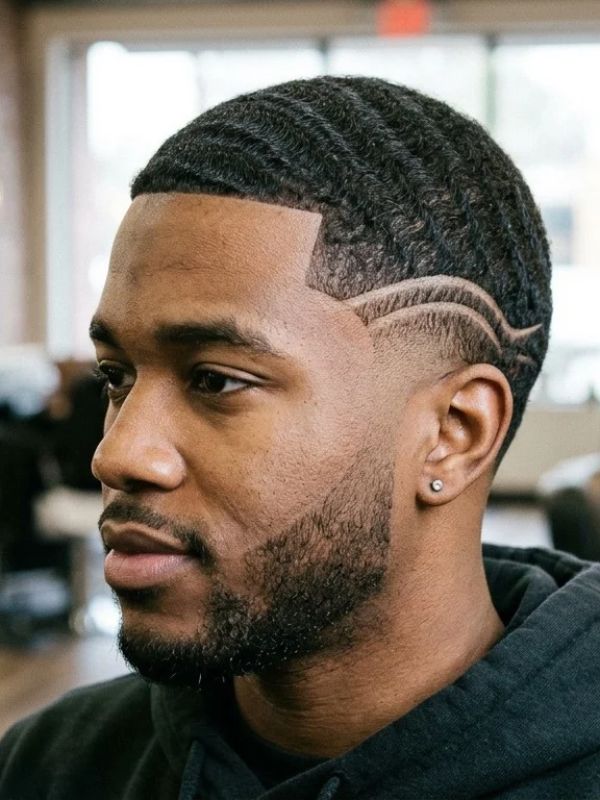
Wavy hair pairs well with a smooth taper underneath. Leave some length and texture on top for movement, while the sides stay controlled and crisp.
Straight hair
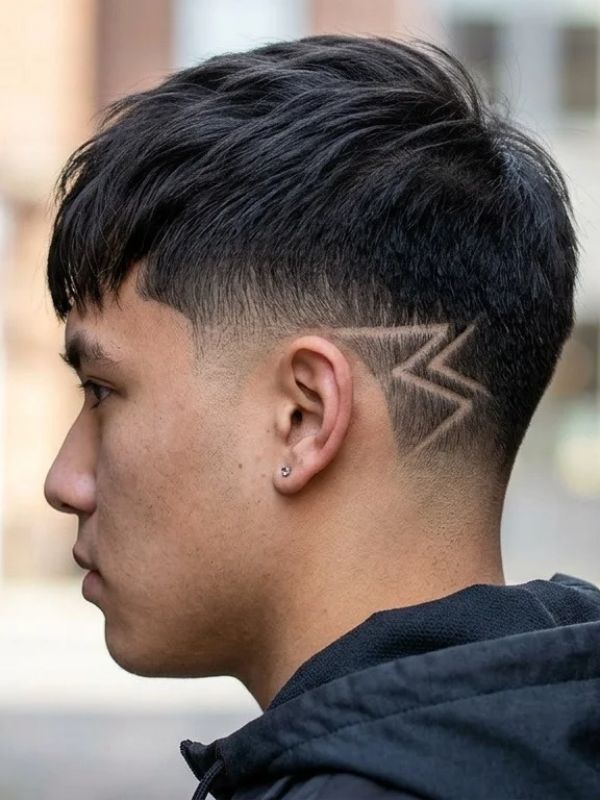
Straight hair gives the sharpest lines because less texture competes with the design. Every small wobble shows, so precise clipper work matters even more.
Coily or thick hair
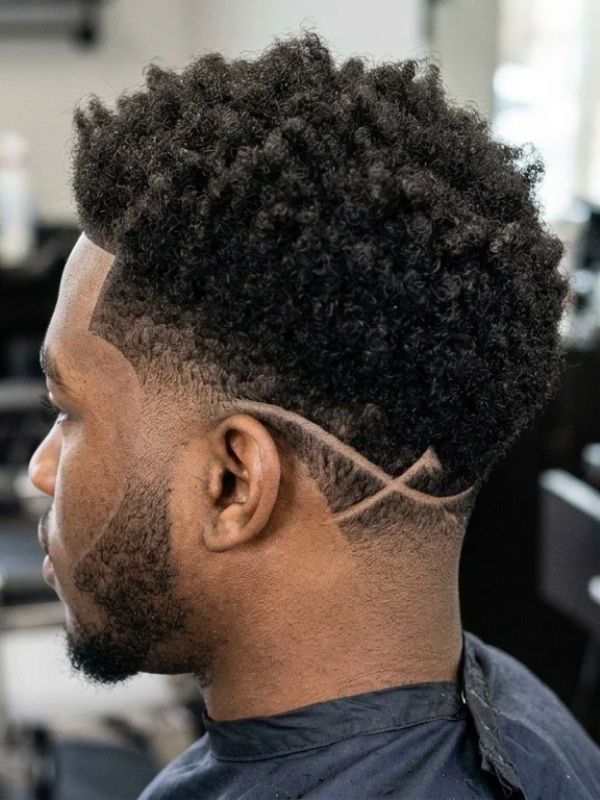
Coily or thick hair shows designs boldly, but it is less forgiving. A skilled barber with steady hands will blend the fade evenly and cut crisp edges without leaving patchy spots.
Fine hair
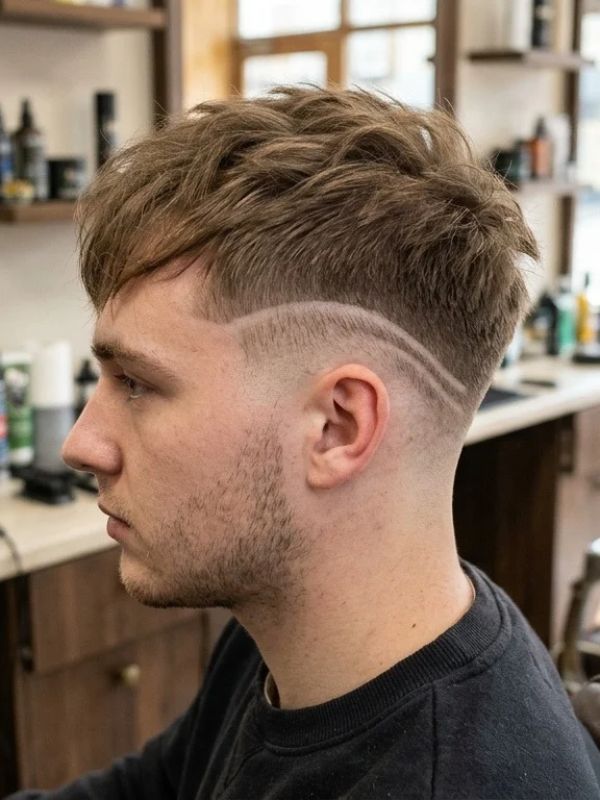
Fine hair does best with simple designs. Avoid cutting too close or adding too many lines, because exposed scalp can make thin hair look thinner.
Quick texture guide
| Hair type | Design recommendation | Main watch-out |
| Curly | Single or double line, curve | Keep curls moisturized |
| Wavy | Curved line, short temple line | Avoid over-thinning the top |
| Straight | Clean geometric lines | Every uneven edge shows |
| Coily or thick | Bold lines, freehand patterns | Needs an experienced barber |
| Fine | One simple line | Avoid showing too much scalp |
Low taper fade with design for different face shapes
Face shape affects how the top is styled and how large the design should be.
| Face shape | What works well | What to avoid |
| Round | Extra height or texture on top, clean angular lines | Wide, round patterns that add width |
| Oval | Almost any design and top style | Little to avoid |
| Square | Sharp lines that echo the jaw, with soft texture on top | Overly harsh geometry |
| Long | Less height on top, a design that adds width on the sides | Tall quiffs and very high volume |
| Heart | Soft, simple designs and a fuller top | Heavy patterns near the temples |
The best design suits your hairline, head shape, and lifestyle, not just a photo you saw online. A good barber will suggest small adjustments before starting.
How to ask your barber for a low taper fade with design
Most of the result depends on what you say before the clippers turn on. Follow these steps:
- Bring a reference photo. Even a rough image prevents most mix-ups.
- Say “low taper” clearly. Mention the sideburns, ears, and neckline so it does not drift into a mid or high fade.
- Name the guard sizes if you know them. For example, ask the barber to start around a #0.5 or #1 at the bottom and blend upward.
- Describe the design placement. Side, temple, back, neckline, or behind the ear.
- Choose the boldness. Say subtle, medium, or bold.
- Ask for an honest opinion. A good barber will tell you if your hair density or hairline suits the design.
Example script
“I’d like a low taper fade, starting short just above my ears and blending into the length on top. Can you add a single thin line on the left side, just above the fade? I want it subtle. Here is a photo for reference.”
Barber tip: Choose the barber first and the design second. A simple line looks excellent from a skilled barber and uneven from an inexperienced one.
Maintenance and styling tips
Designs blur as hair grows, and that happens to every shaved pattern. A little routine keeps the cut looking fresh.
How often to refresh
| Part of the cut | Typical freshness window | Notes |
| Design lines | About 1 to 2 weeks | Fast growers may notice blurring sooner |
| Low taper fade | About 2 to 3 weeks | Neckline softens first |
| Full haircut with top | About 3 to 4 weeks | Depends on top length |
Daily styling
- Straight hair: a light styling cream for control without weight.
- Wavy hair: a sea-salt spray or light paste for texture.
- Curly hair: a curl cream to define curls and cut frizz.
- Coily hair: a moisturizing butter or leave-in conditioner to keep hair healthy.
- Fine hair: a lightweight mousse or powder for volume.
Between barber visits
- Wash your hair as usual, but avoid scrubbing the design area.
- Use a soft brush or comb to keep the top neat.
- Avoid heavy gel, which looks stiff next to a soft fade.
- Skip DIY edits unless you are experienced. One wobble is hard to fix.
- Book your next appointment before you leave the chair.
Common mistakes to avoid with haircut designs
| Mistake | Why it hurts | Better approach |
| Choosing a design that is too complex for your hair | The pattern looks cluttered | Start with a single line |
| Skipping the reference photo | Results depend on guesswork | Bring one or two photos |
| Ignoring school or work rules | You may regret a bold cut | Check the dress code first |
| Picking an inexperienced barber | Lines come out uneven | Review portfolios and reviews |
| Copying a celebrity design exactly | Different head shape means a different result | Ask for a version adapted to you |
| Neglecting the fade as the design grows out | The whole cut looks patchy | Schedule regular touch-ups |
| Cutting too close on fine hair | Scalp shows through | Keep the design small and the blend soft |
FAQs about low taper fade with design
What is a low taper fade with design?
It is a low, soft fade around the ears and neckline combined with a shaved line or pattern. The design adds detail while the taper keeps the cut neat.
Is a low taper fade with design professional?
Yes, especially with a subtle design like one thin line. Save bold patterns for casual settings.
How long does a haircut design last?
Crisp lines usually last one to two weeks before blending into regrowth. The fade lasts a little longer.
What is the best first design to try?
A single line or short temple line. It is low commitment, easy to maintain, and easy to change.
Can curly or coily hair get a design?
Yes, and it often looks striking. Choose an experienced barber for clean edges on thick or coily hair.
Is it good for boys?
Yes. Boys can get a neat cut for school with a small design that adds personality. Check school rules first.
How much does a low taper fade with design cost?
Prices vary by city and barber, and designs often add an extra fee. Ask for a quote before you sit down.
How often should I visit the barber?
Every two to three weeks keeps the taper and design sharp. Simple designs can stretch to four weeks.
Conclusion
A low taper fade with design is one of the easiest ways to look sharp while still standing out. The soft taper keeps things professional, and the design adds a personal touch. Start simple, choose a placement that fits your lifestyle, and build up gradually from there.
The best results come from clear communication and a skilled barber. Bring a reference photo, name the fade height, and agree on design placement before the clippers start. Book a refresh every two to three weeks, and your 2026 cut will stay crisp, comfortable, and unmistakably yours.