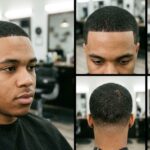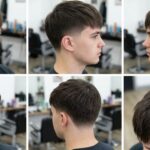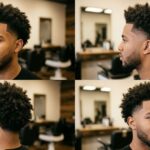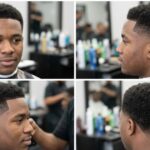
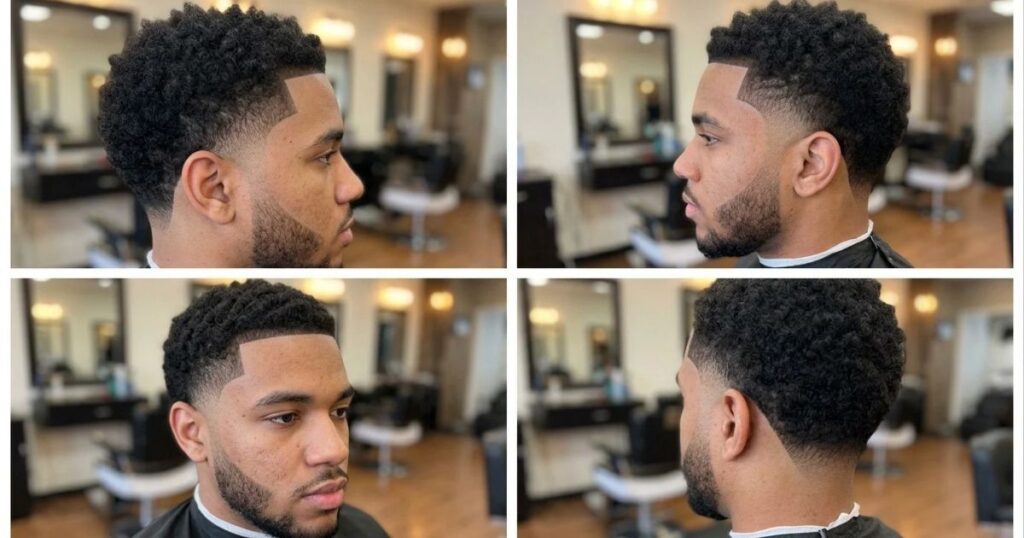
The taper low burst fade is one of the most requested barbershop cuts right now, and it’s easy to see why. It blends a soft low taper with a curved fade that wraps around the ear, giving you a clean, modern look without feeling harsh or overdone.
This guide explains what the cut is, how it differs from similar fades, and who it suits. You’ll also get a ready-to-use barber script, an upkeep timeline, styling tips, and the mistakes to avoid, so you can sit down in the chair knowing exactly what to ask for.
What a taper low burst fade is
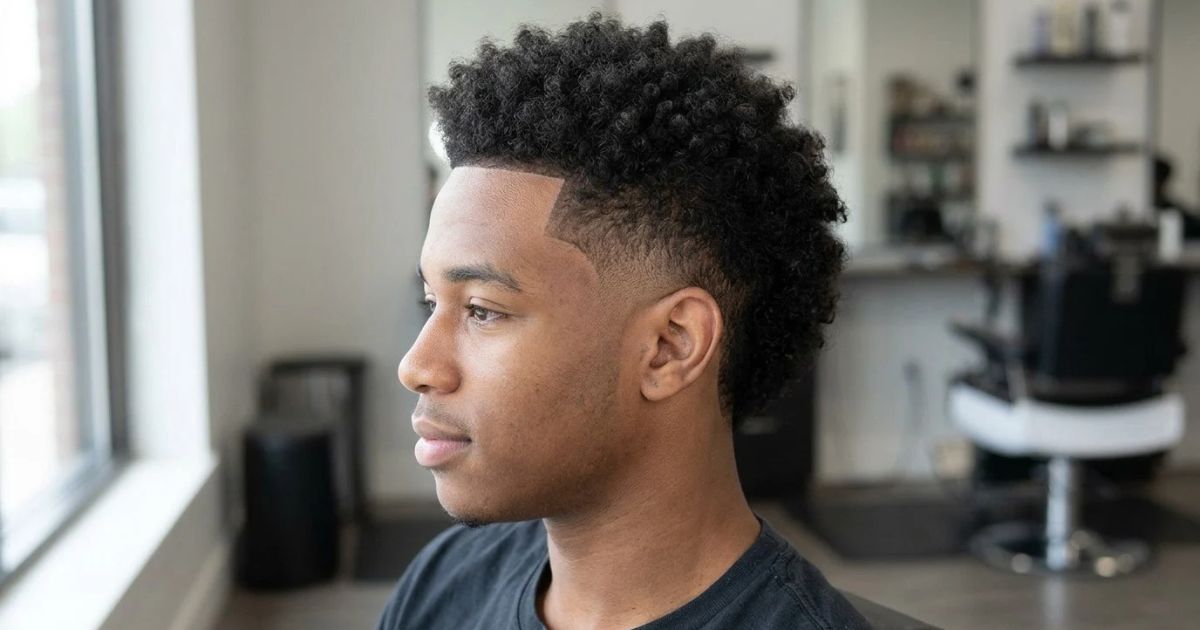
A taper low burst fade combines two barbering techniques in one haircut. The low taper gradually shortens the hair around the sideburns, ears, and nape. The burst is the curved part: instead of fading in a straight line, the shortest hair forms a half-circle around the ear and spreads outward like a small sunburst.
The word “low” tells your barber where the shortest hair sits. It starts close to the ear and neckline, so more length stays on the sides and the overall look stays soft and wearable.
Quick answer: A taper low burst fade is a low taper on the sides and neckline combined with a rounded fade that curves around the ear instead of running straight across.
Key features at a glance
- Fade starts low, near the ears and nape
- Curved, half-circle shape behind and around the ear
- Longer hair is usually kept at the back and on top
- Works with crops, curls, fringes, mohawks, and mullets
Read More:Low Taper Fade With Design: Best Haircut Ideas, Styles, and Barber Tips for 2026
Taper vs low fade vs burst fade
These three terms often get mixed up, and the mix-up is why some people leave the chair with the wrong cut. Each word describes something different: the amount of contrast, the starting height, or the shape of the line.
| Term | What it describes | Typical look | Skin showing? |
| Taper | How gradually the hair shortens | Subtle, classic, conservative | Rarely |
| Low fade | Where the fade begins (near ears and nape) | Soft, tidy, low contrast | Sometimes |
| Burst fade | The shape of the fade (curved around the ear) | Rounded, stylish, defined | Optional |
| Taper low burst fade | All three combined | Clean, curved, low-key | Usually minimal |
Taper
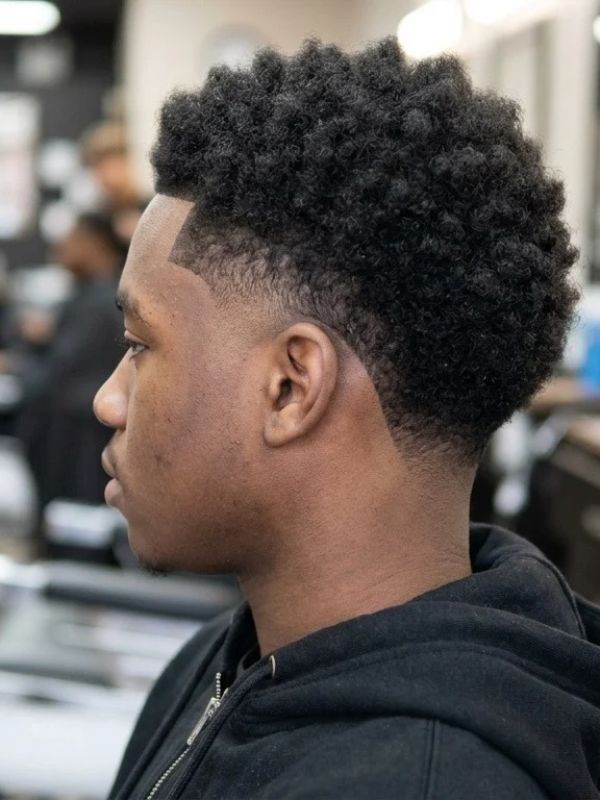
A taper is the gentle option. The hair gets shorter toward the ears and neckline in small steps, usually without going down to bare skin. It is the most grow-out-friendly choice and the base for many other cuts.
Low fade
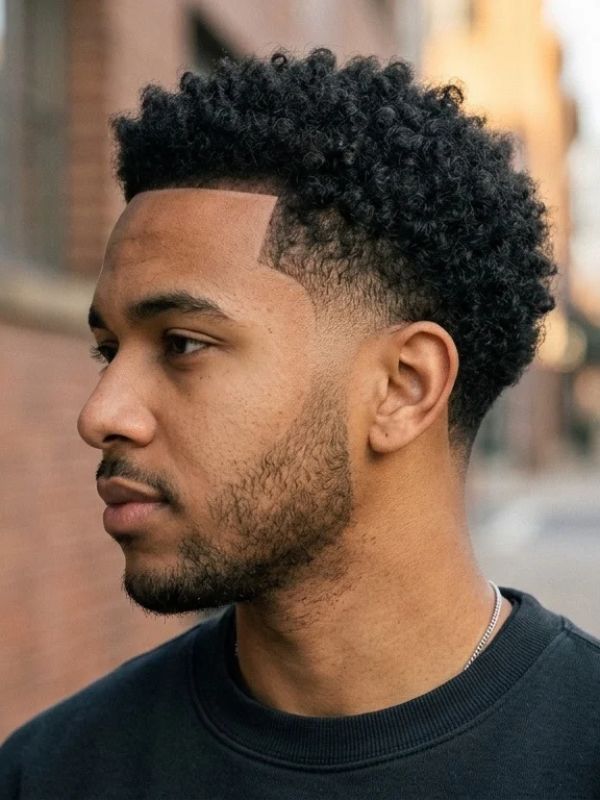
A low fade describes height, not shape. The blend starts just above the ear and the nape, so you keep more hair on the sides. Because it sits low, it tends to grow out more gracefully than a mid or high fade.
Burst fade
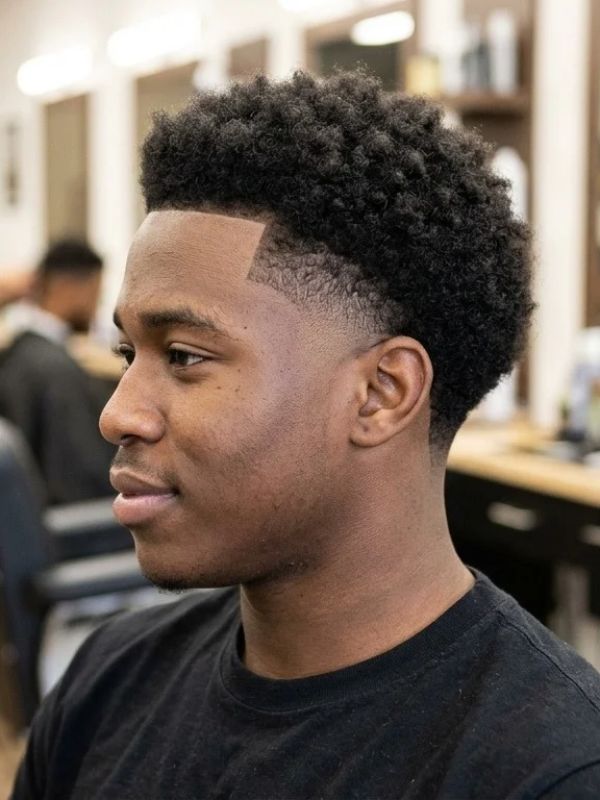
A burst fade describes shape, not height. The blend curves around the ear in an arc and leaves the nape longer than a straight fade would. That curve is why it pairs so well with mullets, mohawks, fringes, and textured tops.
The cut is often linked to classic barbering and Black hair culture. It earned wider attention in recent years and is sometimes called a “South of France” cut.
Who a taper low burst fade suits
Because the fade starts low and the curve is rounded, this cut is more forgiving than a high or skin fade. Most people can wear it. A few small adjustments help it flatter your face and hair texture even more.
Face shapes
| Face shape | How it works | What to ask for |
| Oval | Almost any version suits | Textured crop or short top |
| Round | Height on top creates the slimming effect | Volume or length up top; consider a mid burst for more lift |
| Square | The curve softens a strong jawline | Keep the burst rounded, not sharp |
| Heart | Adds balance to a narrower chin | Low fade with some fullness on top |
| Oblong | Works best with some width | Avoid too much height; keep sides slightly fuller |
Hair types
- Straight hair: The curve shows up clearly, so the shape looks sharp. A textured or cropped top works well.
- Wavy hair: Often the easiest texture for this cut. The natural movement complements the curve.
- Curly hair: A great match. The rounded burst follows the curl pattern and keeps the top full.
- Coily hair: The low placement means less bare skin to grow out unevenly, which makes upkeep simpler.
- Fine or thinning hair: Keep the top slightly longer and use a light texture powder for grip and volume.
Best styles to ask for
The fade stays the same, but the top changes the whole personality of the haircut. Pick the style that fits how much time you want to spend on your hair each morning.
| Style | Look | Styling effort | Best for |
| Textured crop | Messy, lived-in | Low | Most face shapes and hair types |
| Short top | Neat and simple | Very low | Work, school, quick mornings |
| Curls left long | Full and natural | Low | Curly and coily hair |
| 360 waves | Polished wave pattern | High | Wave brushers |
| Burst fade mullet | Bold, longer at the back | Medium | Confident, creative looks |
| Forward fringe | Soft and youthful | Medium | Straight and wavy hair |
| Mohawk | Strong centre strip | Medium | Standout, high-impact styles |
Barber tip: If you are unsure, start with a textured crop. It looks good on most heads and gives your barber room to adjust the shape on your next visit.
How to ask your barber for it
Barbers see many clients a day and work quickly, so vague instructions often lead to a straight fade or the wrong height. Clear words and a photo save time and awkward conversations.
A script that works
Try something like this:
“I’d like a low taper that curves around my ear in a burst shape, not a straight line. Keep it low at the ears and neckline, leave a bit more length at the nape, and keep [your top length] on top.”
For extra clarity, add:
- Your top length, in inches or by pointing to a photo
- Your hair type, such as curly, wavy, or straight
- Whether you want skin showing or a softer, non-skin finish
- How you usually style it
What to show
A reference photo does more than any description. Choose one that shows these details:
- The curve around the ear, from the side
- How low the fade starts
- The back view, since the nape is where most barbers differ
- The texture and length on top
If you can, bring two photos that match your hair type. A burst on curly hair is cut differently from a burst on straight hair.
Keeping a taper low burst fade sharp
The curve is the first thing to disappear as hair grows. Regular visits and a little home care keep it looking clean.
Touch-up timeline
| Version | Suggested barber visit | Why |
| Tight or skin-tapered burst | Every 2 to 3 weeks | The contrast fades quickly |
| Standard low burst | Every 3 to 4 weeks | A balanced grow-out |
| Soft, longer taper | Every 4 to 5 weeks | Less contrast to maintain |
| Mullet or fringe on top | Every 4 to 5 weeks | The length draws attention away from the fade |
These are general guides. Fast-growing hair may need earlier trims, and your barber can advise based on your hair.
Neckline and sideburn cleanup
A light cleanup at home can add a week of freshness. Leave the blended area alone and only tidy the edges.
- Use a trimmer with a guard, not a bare blade, for the neckline.
- Follow your natural hairline instead of forcing a hard straight edge.
- Trim sideburns in tiny passes and check both sides in a mirror.
- Stop early. You can always take more off, but you cannot put it back.
Mistakes that ruin the cut
- Letting the fade creep up: A low fade slowly becomes a mid fade, and the soft look is lost. Confirm the height before the clippers start.
- Over-cutting around the ear: The burst needs enough hair to hold its curve. Take too much away and it looks like a plain fade.
- Skipping the back: If the nape is not blended with the same care as the sides, a visible line appears as it grows out.
- Using vague words: “Just a fade” often gets you a straight line. Say “low,” “curved,” and “burst.”
- Choosing a style that doesn’t match your hair: Flat, fine hair rarely holds a tall quiff. Choose a top style that works with your texture.
- Over-styling with shiny products: Heavy gel can make the cut look stiff and dated.
Styling it at home
The cut does most of the work, so styling can stay quick. Two minutes is usually enough.
Choose the right product
| Product | Finish | Best for |
| Matte clay | Natural, no shine | Textured crops, short tops, work settings |
| Light pomade | Soft sheen | Waves and slicked styles |
| Texture powder | Grip and volume | Fine or straight hair |
| Curl cream | Defined, soft curls | Curly and coily hair |
| Sea salt spray | Messy, beachy texture | Wavy hair and fringes |
Simple routine
- Start with damp, towel-dried hair.
- Warm a pea-sized amount of product between your palms.
- Work it through with your fingers, not a comb.
- Lift at the roots for height, or press down for a sleeker shape.
- Finish with a light mist of spray if you need hold.
Taper low burst fade vs blowout taper
People often compare these two, but they are not opposites. A blowout taper uses a regular taper on the sides, and the “blowout” refers to how the top is dried and styled for volume.
| Feature | Taper low burst fade | Blowout taper |
| Fade shape | Curved around the ear | Usually straight |
| Main focus | The side profile | Volume on top |
| Daily styling | Quick, 1 to 2 minutes | Longer, needs a blow dryer |
| Barber visits | More frequent to keep the curve | More forgiving as it grows |
| Best for | Clean, defined sides | Full, voluminous tops |
Choose the burst if you want sharp sides with little morning effort. Choose the blowout if you enjoy styling and want height.
Is it okay for school, work, or formal settings?
Yes. The low placement keeps the cut conservative enough for most school dress codes and offices. The curve adds character without looking loud.
For the most formal version, keep the top short or medium, use matte product, and choose a soft, gradual taper rather than a skin fade. If your school has strict rules, ask the barber to keep the fade above the ear line and check your dress code before the appointment.
Final take
The taper low burst fade is an easy cut to recommend. It looks clean and intentional, adapts to many hair types and face shapes, and works in casual and formal settings. The real cost is upkeep, since the curve needs regular touch-ups to stay crisp.
Bring a clear photo, say “low” and “curved” out loud, mention your hair type, and book your next visit before you leave. Follow those steps and the cut will look considered every single time you walk out of the shop.
Go deeper: low taper fade guides
If you are still exploring, these related topics are worth reading next:
- Low taper fade vs low fade: how much contrast you want
- Mid burst fade: more height for round faces
- Burst fade mullet and mohawk styling
- Low taper fade for curly, straight, and coily hair
- Low taper fade with a beard
- Drop fade vs burst fade
FAQs about the taper low burst fade
Is a burst fade the same as a taper fade?
No. A taper describes a gradual shortening, while a burst describes a curved shape around the ear. This cut combines both.
What is the difference between a burst fade and a drop fade?
A burst fade curves around the ear, while a drop fade curves down behind it toward the nape. The burst leaves more length at the back.
How often should I get a touch-up?
Most people need one every 2 to 4 weeks. Tighter cuts need visits sooner, and softer cuts can stretch longer.
Does it work on curly hair?
Yes, it is one of the best matches. The curve follows natural curl patterns and keeps the top full.
Is a low burst fade good for round faces?
It can be, if you keep length and volume on top. For a stronger slimming effect, ask for a mid burst.
What should I tell my barber?
Say: “low taper that curves around the ear in a burst shape, with [length] on top.” Mention your hair type and show a photo.
Is a taper low burst fade high maintenance?
It is moderate. It needs regular barber visits to keep the curve, but daily styling takes only a couple of minutes.
Can I get it with a beard?
Yes. Ask your barber to blend the curve into the sideburns and beard so the transition looks smooth.
Is it professional enough for the office?
Yes, especially with a short or medium top and a soft taper. Matte products keep the finish polished and natural.